7 Facts About Mental Health in Guinea-Bissau
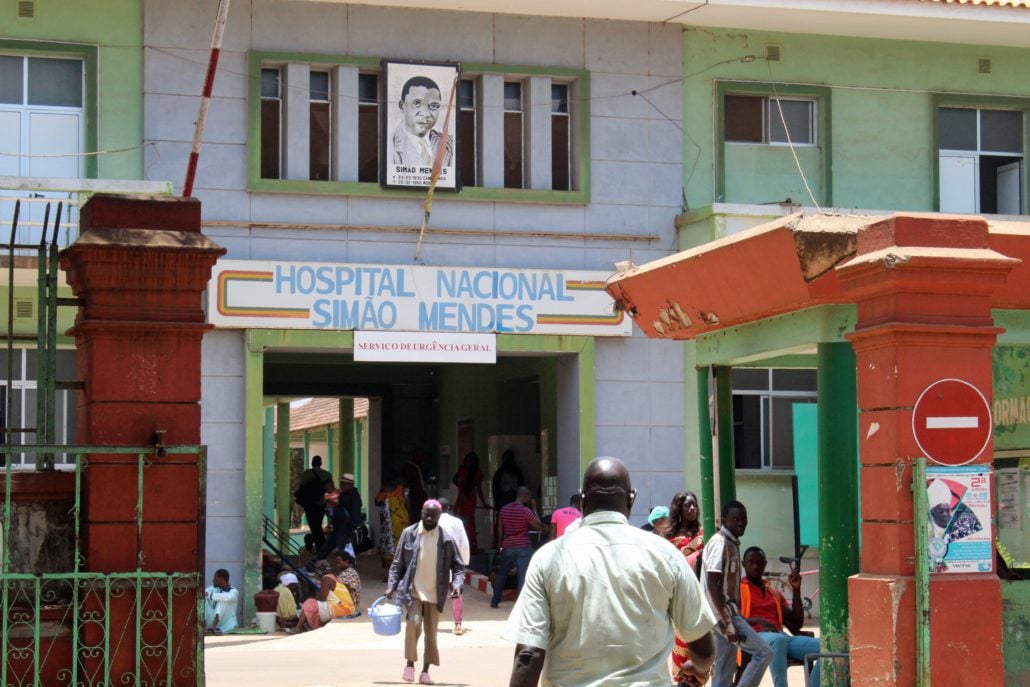 Mental health is an essential part of overall health and well-being, yet many countries continue to face barriers to providing accessible mental health care. In Guinea-Bissau, limited specialist services and wider pressures on the country’s health system create challenges for mental health care. At the same time, international organizations and development programs are supporting health professionals and social services, creating opportunities to improve mental health in the country.
7 Facts About Mental Health in Guinea-Bissau
- No Stand-Alone Mental Health Policy or Law: Developing an effective mental health system often begins with clear national policies and legislation. The WHO Mental Health Atlas 2020 reports that Guinea-Bissau had no stand-alone mental health policy or plan and no stand-alone mental health law. The country also had no separate or integrated policy or plan specifically covering child or adolescent mental health. These gaps show the importance of continued policy development as the country works to strengthen its mental health system.
- Mental Health and Psychosocial Support Training is Taking Place: Recent international programs have focused on strengthening the skills of professionals who support people experiencing mental health challenges. UNICEF reported that it worked with WHO and Interpeace in Guinea-Bissau to strengthen the knowledge and skills of health professionals and social service workers in mental health and psychosocial support. This included training social workers within the health sector, helping professionals provide better support to vulnerable children and families.
- The Country Has a Limited Mental Health Workforce: Access to mental healthcare is an important part of improving mental health in Guinea-Bissau and depends not only on services but also on the professionals available to provide them. The WHO recorded 27 mental health professionals in Guinea-Bissau, including 16 mental health nurses, three psychologists, three social workers and five other specialized mental health workers. The Atlas also reports that there were no psychiatrists at the time of the assessment, highlighting the country’s limited specialist workforce. Efforts to strengthen the wider workforce continue. In 2025, the World Bank approved a $20 million Guinea-Bissau Human Capital Project to improve health, education and social protection services. The project includes capacity building for health professionals, teachers and social workers. Earlier efforts also focused directly on mental health, such as a public mental health program that trains general health workers to identify and manage mental health conditions.
- Changing Weather Could Place Further Pressure on Mental Health: Mental health in Guinea-Bissau is also connected to wider social and environmental challenges. In a 2024 article, psychiatrist Dr. Carol Lim discussed the potential mental health effects of changing weather patterns in the country. She highlighted how poverty, illness, climate-related anxiety and possible migration could increase mental health challenges while placing additional pressure on Guinea-Bissau’s limited medical infrastructure. This shows how improving mental health services may become increasingly important as communities face the effects of environmental change.
- Efforts are Underway to Integrate Mental Health into General Health Care: Primary health care can play an important role in expanding access to mental health support. Although the WHO Mental Health Atlas 2020 found that Guinea-Bissau had not achieved functional integration of mental health into primary healthcare under its assessment criteria, earlier initiatives attempted to address this challenge. A public mental health program described in “Psychological Medicine” trained general health workers to identify and manage mental health conditions, helping make mental health support available through professionals already working within the wider health system.
- Most Mental Healthcare is Paid for Out of Pocket: The way health care is financed can influence people’s ability to obtain treatment. According to the WHO Mental Health Atlas 2020, people in Guinea-Bissau mostly or entirely paid out of pocket for mental health services and psychotropic medicines. The Atlas also reported that national health insurance or reimbursement schemes did not cover treatment for conditions including psychosis, bipolar disorder and depression. These financial barriers can make accessing mental healthcare particularly difficult for people with limited incomes.
- International Cooperation is Supporting Mental Health Development: International cooperation is creating new opportunities to strengthen mental health in Guinea-Bissau. UNICEF has worked with WHO and Interpeace to strengthen mental health and psychosocial support skills among health professionals and social service workers. Guinea-Bissau is also included among the participating countries in the WHO African Region’s 2026 Mental Health Intercountry Learning Workshop for West and Central Africa. The workshop will allow participating countries to share experiences and develop roadmaps for strengthening their mental health systems.
Looking Ahead
Improving mental health in Guinea-Bissau will require continued investment in services, trained professionals and stronger health systems. Recent initiatives show that work is already taking place. UNICEF, WHO and Interpeace have supported mental health and psychosocial training, while the World Bank’s Human Capital Project is investing in the country’s health and social service workforce.
Guinea-Bissau’s participation in the WHO African Region’s 2026 Mental Health Intercountry Learning Workshop provides another opportunity for the country to learn from regional experiences and contribute to plans for strengthening mental health systems ahead of the region’s 2030 targets. Together, these initiatives could help expand the country’s capacity to respond to mental health needs over the coming years.
– Aniya Akram
Aniya is based in Bradford, UK and focuses on Global Health for The Borgen Project.
Photo: Wikimedia Commons
