Renewable Energy in Trinidad and Tobago
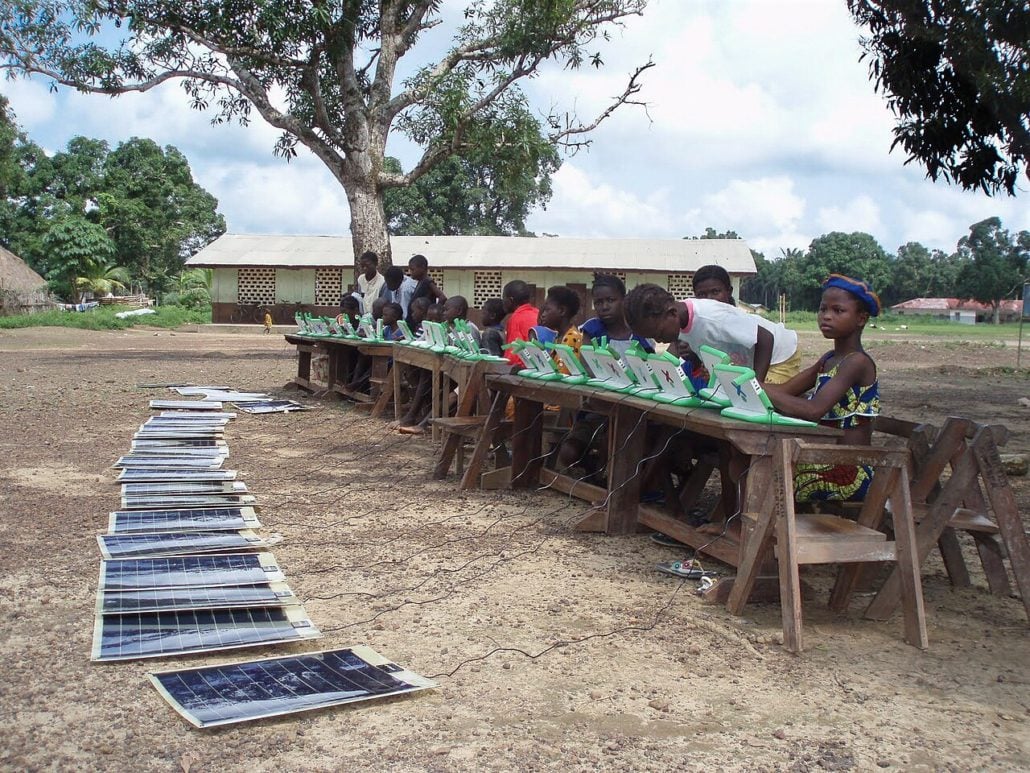 Renewable energy in Trinidad and Tobago is beginning to reshape how the country produces electricity and supports local communities. From national solar projects to rooftop systems in rural schools these efforts show how renewable energy can support economic diversification, local employment and ultimately reduce poverty within a country.
An Economy Built on Oil and Natural Gas
The twin island nation of Trinidad and Tobago historically relied heavily on oil revenue to support its economy. The country developed the Caribbean’s largest hydrocarbon industry, initially through crude oil production and later through natural gas, liquefied natural gas and petrochemicals. According to the International Monetary Fund (IMF), the energy sector accounted for nearly 20% of gross domestic product, approximately 80% of goods exports and about 35% of central government revenue in 2025.
A Gradual Shift Toward Renewable Energy
Despite its long dependence on oil and natural gas, Trinidad and Tobago has begun building a more diversified energy system. The country aims to generate 30% of its electricity from renewable sources by 2030. It also seeks to reduce greenhouse gas emissions from the power generation, transportation and industrial sectors by 15% compared with projected levels.
With support from the United Nations Development Programme (UNDP), the government drafted a renewable-energy policy and a tariff plan that could eventually allow residents and organizations to supply renewable electricity to the national grid.
Several projects have already brought renewable energy in Trinidad and Tobago into schools and communities. Through the European Union-funded Global Climate Change Alliance Plus initiative, UNDP installed rooftop solar systems at 12 locations, including Brasso Venado Primary School, Speyside High School, the Trinidad and Tobago Red Cross Society and Nature Seekers.
By July 2024, the initiative had installed 108 kilowatts of solar capacity, trained 92 people to operate and maintain the systems and introduced more than 10,000 people in both rural and urban communities to renewable energy.
Renewable-energy projects can also create local economic opportunities. They create paid work, build usable technical skills and improve access to reliable electricity. Solar farms employed approximately 300 skilled and unskilled workers many from rural communities providing income and experience in a rapidly growing industry. Separately, solar systems employed at schools and community organizations improve educational outcomes by introducing electricity necessary for technological educational tools. These projects address important drives of poverty by expanding employment opportunities and strengthening workforce skills along with supporting reliable community services.
These developments show how the country’s energy transition is expanding from small community installations to national electricity production. Smaller projects, however, offer the clearest view of how renewable energy can affect daily life.
Solar Power at Brasso Venado Primary School
At the Brasso Venado Government Primary School, renewable energy in Trinidad and Tobago is supporting a rural community where unreliable electricity has created challenges for teaching and communication.
Located near the center of Trinidad, the school serves children from Brasso Venado, Los Atajos and Tabaquite. An EU project profile reported that frequent power outages and the absence of wired telephone service complicated internet-based learning and communication with parents.
Despite these limitations, the school arranged private internet access and helped parents develop the technical skills needed to support their children’s education. At the time of the profile, the school enrolled 42 students between ages 5 and 13 and employed nine staff members.
Through the EU-funded Global Climate Change Alliance Plus initiative, the school received a 10-kilowatt rooftop solar system designed to generate an estimated 16,780 kilowatt-hours of electricity each year.
The project aimed to provide more reliable power for technology-based teaching, school programs and communication with families. The installation also gave students and residents a visible example of how solar energy can support education and community development.
A Model for Wider Change
For students at the Brasso Venado Primary School, the solar panels represent more than a new source of electricity. They demonstrate how renewable energy can support education, improve access to technology and strengthen essential community services.
Across developing nations, similar projects can bring more reliable power to schools and other institutions that face limited infrastructure or frequent outages. Brasso Venado offers a hopeful example of how a relatively small renewable-energy investment can create lasting opportunities for children, families and communities.
– Dimitri Moschochoritis
Dimitri is based in Betheda, MD, USA and focuses on Technology and Solutions for The Borgen Project.
Photo: Wikimedia Commons
