Everything to Know About Hunger in the DRC
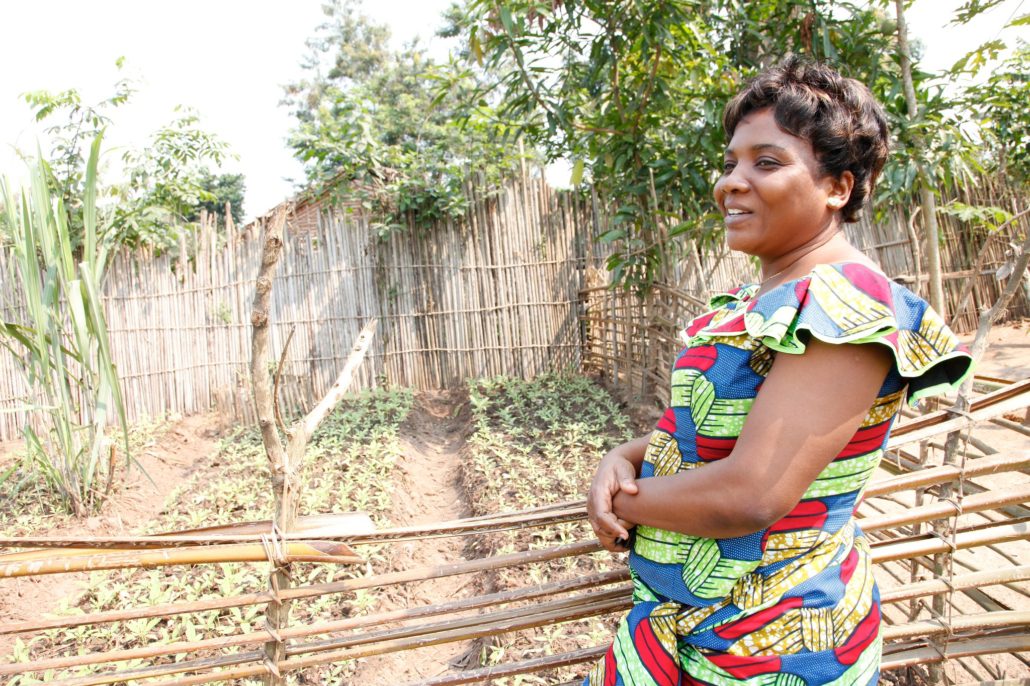 The Democratic Republic of the Congo (DRC) has been facing an ongoing hunger crisis for more than 25 years. Today, the issue of hunger in the Democratic Republic of the Congo affects 26.5 million people, leaving them struggling to meet their basic food needs. The country has the third highest score on the Global Hunger Index, just after Somalia and South Sudan. However, there is much more information and coverage out there for those two countries.
Conflict at the Root of Food Insecurity
This is due to both the length and the nature of their famines. The DRC has been dealing with armed conflict on its eastern border since the First Congo War in 1996. This prolonged violence, which is the root cause of hunger in the DRC, is harder to cover than the relatively recent famines in Somalia and South Sudan that are perpetuated by extreme climate events.
Unfortunately, this lack of coverage does not mean the conflict or the famine has ended. Just last year, the M23 rebel group took over the eastern city of Goma, which was a vital international trade hub for the area. All this conflict has caused the displacement of 7.8 million people in the DRC, which further perpetuates issues of food security and sanitation, and helping these people has become more difficult and therefore more important than ever with the capture of Goma.
Humanitarian Response and Immediate Relief
To combat these issues, the Food and Agriculture Organization of the United Nations and the World Food Programme (WFP) are working to address the hunger crisis in the DRC. With the $10 million allocated from the DRC Humanitarian Fund, the FAO and the WFP, through their combined efforts, have provided immediate food relief or cash-based assistance to nearly 1.3 million people. This is no doubt a significant effort, but it falls dramatically short of the $214 million needed to aid the entirety of the affected Congo population.
Building Long-Term Food Security
Along with immediate relief, the two organizations have also prioritized improving the resilience and self-reliance of local communities. The nutrition problems in the area are particularly alarming, with more than 4.18 million children under five suffering from acute malnutrition. To help prevent this in the future, the WFP has set up nutrition-focused cooking classes in dozens of villages across the DRC. These lessons not only promote healthier, well-balanced diets for Congolese children, but the recipes also include only locally grown native ingredients.
Meanwhile, the FAO provides continued support to the area’s agriculture. This includes seeds, tools, livelihood inputs and cash-based assistance, which help families restore food production and reduce overall dependence on food assistance. However, it could not raise adequate funds to provide agricultural support to the entire region. The FAO urgently requires an additional $163 million to scale up its life-saving agricultural support before it misses critical planting windows.
The Funding Gap and the Path Forward
The Democratic Republic of the Congo continues to face a prolonged famine spurred by armed conflict in the region. This famine would have grown to dire proportions with the capture of Goma by M23 if not for the FAO and WFP’s efforts to combat food insecurity in the region. These organizations are committed to a dual-approach solution to the food crisis that combines immediate food relief with longer-term support to agriculture and food security. However, their plans to provide the necessary assistance and stop the famine in the area have encountered an unfortunate $214 million funding shortfall. Reducing hunger in the Democratic Republic of the Congo will require donations and a continued commitment to both emergency relief and long-term recovery. With this, the international community can help turn today’s humanitarian crisis into lasting food security for tomorrow.
– Arda Aydogan
Arda is based in Canton, MI, USA and focuses on Global Health for The Borgen Project.
Photo: Flickr
