Project Waterfall and Clean Water in Ethiopia
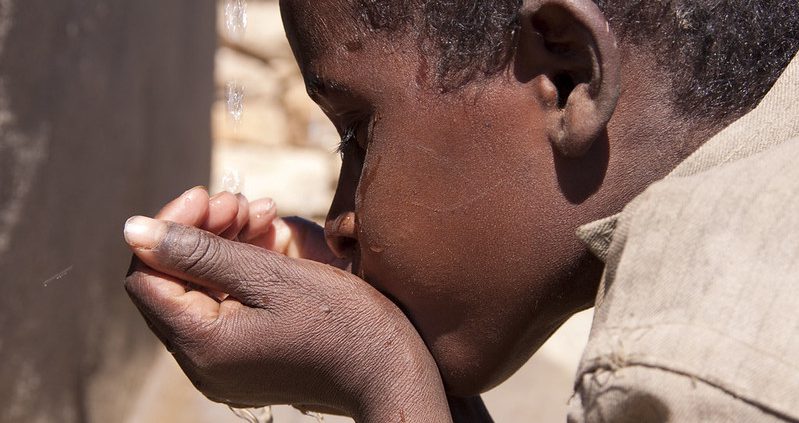 Access to clean water continues to improve in Ethiopia as organizations and local communities invest in sustainable water solutions that strengthen health, education and economic opportunity. Roughly 62 million people in Ethiopia do not have access to clean water, while waterborne diseases remain a leading cause of death among children under 5. These public health challenges adversely affect educational opportunities, reduce economic productivity and contribute to long-term poverty, particularly in rural communities. However, for more than a decade, Project Waterfall, an international nonprofit, has partnered with coffee-growing communities in Ethiopia to expand access to clean water, sanitation and hygiene services.
Changes in Climate Threaten Clean Water
The changing climate, prolonged droughts, shifting rainfall patterns and seasonal flooding continue to strain Ethiopia’s water resources, placing increasing pressure on rivers, groundwater supplies and aging water infrastructure. Many rural families travel long distances to collect unsafe drinking water, increasing their risk of diarrhea and other waterborne diseases. According to the World Bank, 38.6% of Ethiopians live below the international poverty line of $4 per day (2021 purchasing power parity, or PPP), making it especially difficult for low-income households to afford medical treatment for waterborne illnesses. Children, particularly girls, often miss school because they spend hours fetching water or attend schools without safe drinking water and adequate sanitation facilities. These conditions reduce household productivity, limit educational opportunities and make it more difficult for families to escape poverty.
Despite recording a historic $3 billion in coffee exports this year, coffee-growing communities face unique challenges. Ethiopia is Africa’s largest coffee producer and the world’s fifth-largest coffee exporter, with approximately 15 million people depending on coffee production for their livelihoods. Yet many of the same communities that produce one of the country’s most valuable exports still struggle to access safe water and sanitation services.
Project Waterfall Invests in Sustainable Clean Water
Founded in 2011, Project Waterfall unites the global coffee industry to fund sustainable water, sanitation and hygiene (WASH) projects in coffee-growing regions worldwide. Rather than providing temporary relief, the organization works with experienced delivery partners, including Splash and WaterAid, to build systems that communities can maintain long after construction ends. Today, Project Waterfall has funded 34 projects, reached more than 80,000 people across seven countries and continues expanding its work where water insecurity remains most severe.
Project Waterfall began working in Ethiopia in 2014, investing in projects that install clean water systems, improve sanitation facilities, provide hygiene education and train local leaders to maintain water infrastructure. The organization also partners with schools to establish WASH clubs to teach students healthy hygiene practices while helping protect new facilities for future generations.
Clean Water Creates Better Health and Better Schools
One of Project Waterfall’s newest initiatives, Project WISE (WASH in Schools for Everyone), demonstrates how clean water can transform everyday life for students. Working with Splash, the program aims to bring safe drinking water, sanitation facilities and hygiene education to every public school in Addis Ababa, serving nearly 1 million children. According to Splash, the program reached 94% of government schools in Addis Ababa while securing $11.4 million in co-investment from the Ethiopian government.
The impact extends beyond access to drinking water, with schools receiving child-friendly water stations, improved toilets, menstrual health education and behavior-change programs that encourage lifelong hygiene habits. According to Splash, WASH service improvements have contributed to a 17% reduction in respiratory illness among students, while menstrual hygiene facilities are helping girls attend school more consistently. In addition to Project Waterfall’s work, the World Bank reports that Ethiopia’s national One WASH Program, spearheaded by the World Bank and the United Nations Children’s Fund (UNICEF), has constructed or rehabilitated more than 10,000 WASH facilities in schools, including 575 schools that now have improved water supplies and 428 schools with menstrual hygiene management facilities, increasing regular attendance and reducing dropout rates among girls. By the end of 2024, Project WISE had upgraded two schools in Addis Ababa, directly benefiting roughly 1,200 daytime students, 1,000 evening students and 170 staff members.
Building a More Resilient Future
Project Waterfall’s partnerships with local governments and organizations demonstrate how community-led solutions can produce lasting results rather than temporary fixes. As these programs expand to additional schools and drought-affected communities, more Ethiopians will gain opportunities to pursue education, improve their livelihoods and build healthier futures. Continued investment in clean water infrastructure will not only strengthen communities today but also help create lasting pathways out of poverty for future generations.
– Ashley Belling
Ashley is based in Chicago, IL, USA and focuses on Technology and Global Health for The Borgen Project.
Photo: Flickr
