The Impact of USAID Cuts on an HIV-Prevention Program in Kenya
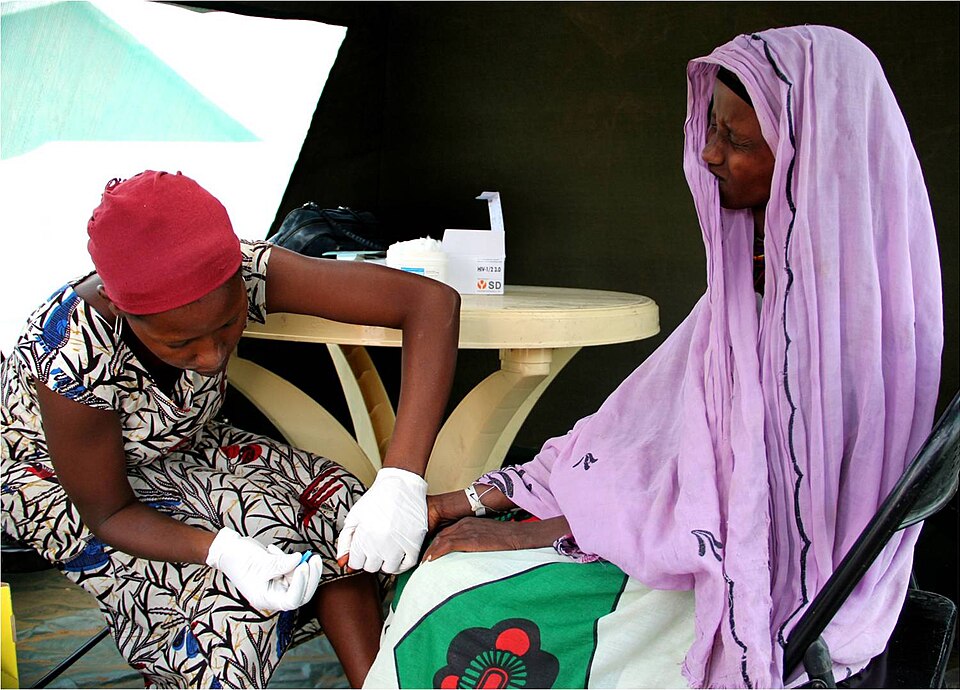 DREAMS CONNECT is a project that aims to educate and empower young women and girls in Kenya through a range of programs and group-based activities that promote sexual health and safety awareness, as well as creating awareness of sexual harassment and violence among women. The name ‘DREAMS’ is an acronym for ‘Determined, Resilient, Empowered, AS-free, Mentored and Safe lives.’ Here is information about DREAMS including how USAID cuts are affecting this HIV-prevention program in Kenya.
Vision
Initiated in October 2021, the project was one of many Hope Worldwide Kenya (HWWK) programs in Mukuru informal settlement in Nairobi funded by the U.S. dating back to 2003, with the aim of preventing HIV among thousands of vulnerable youth, particularly adolescent girls and young women, through a variety of care and support programs. In a documentary commissioned by PBS NewsHour in the U.S., journalists spoke to many young women who came through the program. They tell of being educated on simple but potentially life-saving interventions, such as how to use a condom, in addition to compassionate reminders that each of them has inherent value and worth.
USAID Closure
DREAMS, however, despite its proven successes, is facing an existential crisis due to the shuttering of USAID by the Trump administration in early 2025, which left staff suddenly unemployed and vital funding withdrawn, endangering not just DREAMS but thousands of humanitarian programs worldwide.
Both statistical evidence and personal accounts demonstrate the success of DREAMS’s endeavors. Almost all of the 66,000 women and girls who came through DREAMS remained HIV-free during the three-year program. Stacy Njeri, an 18-year-old woman from Mwiki, Kasarani Sub-county in Nairobi, describes how the program introduced her to a Youth Savings and Loans Association which allowed her to start her own nail salon, a decision she says “changed her life.”
With many women’s enrolment cut short due to foreign aid cuts, however, the concern now is that HIV cases among young women may begin to rise again, and that the cuts will discontinue the salutary work that the organization carries out, not only in preventing the deadly disease, but also in caring for young women and girls and equipping them with vitally important life skills and encouragement. PBS NewsHour’s documentary already reported that some women began to turn to prostitution as a means of supporting themselves following the end of DREAMS.
Future
Yet, the three-year stint of this HIV-prevention program in Kenya has shown that the methods used are highly successful and potentially far-reaching; it is only a matter of repairing the broken aid infrastructure. With the decline of USAID, it remains to be seen whether other countries will step in to fill the humanitarian void. Other wealthy nations like the U.K., France and Germany all responded to the U.S. change in policy by cutting back their own foreign aid expenditure, with the U.K. reducing its ODA (Official Development Assistance Budget) from 0.7% to 0.3% of Gross National Income in order to bolster defense spending.
It may take some time for a viable solution for DREAMS to materialize, but what the scaling back of U.S. foreign aid has shown is just what kind of valuable and quietly empowering programs in Kenya and around the world are being threatened by an increasingly volatile global humanitarian landscape.
– Tomás Quinn
Tomás is based in Glasgow, Scotland and focuses on Global Health for The Borgen Project.
Photo: Wikimedia Commons
