7 Facts About Hunger in Burkina Faso
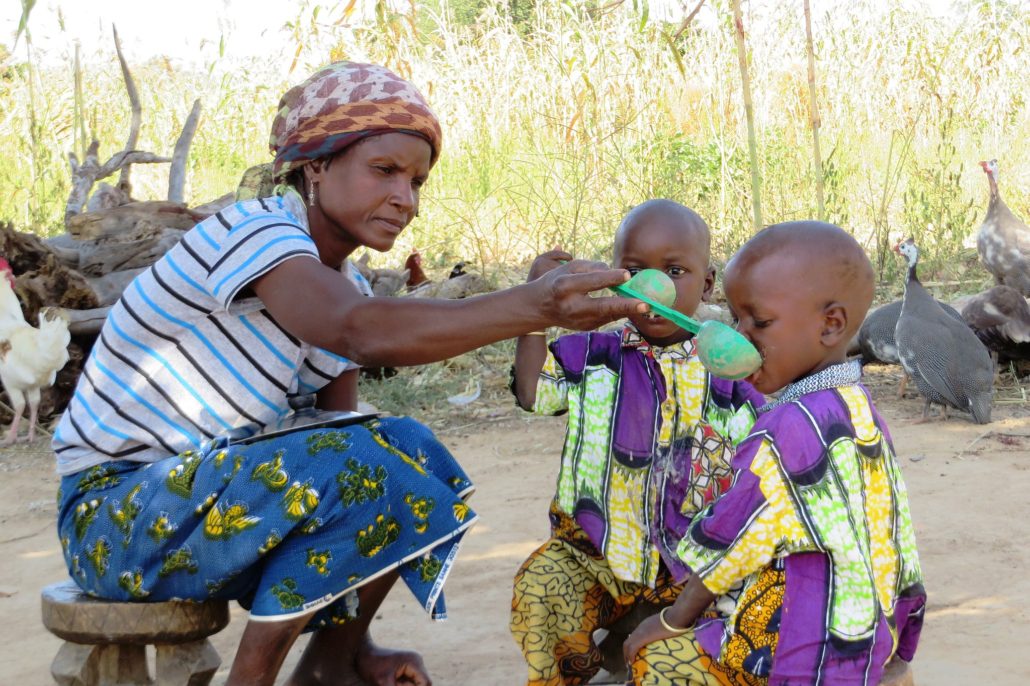 Conflict, the changing climate and displacement are major drivers of food insecurity in Burkina Faso, hindering progress toward the United Nations Sustainable Development Goal 2: Zero Hunger. Despite these challenges, humanitarian organizations and local communities are working to improve food security and strengthen long-term resilience. The following are seven key facts about hunger in Burkina Faso.
1. Millions of People Face Food Insecurity
Food insecurity is a persistent challenge in Burkina Faso. About 13% of the population faces acute food insecurity and are undernourished. Conflict and climate-related issues have made it increasingly difficult for families to access nutritious food. Rising food prices and limited agricultural land further hinder households from meeting basic nutritional needs. These factors continue to drive hunger in Burkina Faso.
2. Conflict Has Forced Millions From Their Homes
Prolonged insecurity has displaced about 2.1 million people in Burkina Faso. Many families have left their homes, farms and livelihoods, disrupting agricultural production and food supply chains. The northern and eastern regions are especially affected with communities often facing crisis-level food insecurity and depending on humanitarian aid and military-escorted convoys for food and essential supplies.
3. Children Are Bearing the Brunt of the Crisis
Children are especially vulnerable to hunger in Burkina Faso. Save the Children reports that about 1.4 million children face a hunger crisis. During the annual lean season, conditions worsen with projections indicating that around 210,000 children could experience emergency hunger levels. One in seven children may face at least crisis-level food insecurity. In conflict-affected areas, limited access to education and health services further compounds hunger.
4. Malnutrition Continues To Threaten Child Development
Hunger has serious consequences beyond food shortages. About 19.5% of children under five are stunted, which impairs physical and cognitive development. Another 9.8% experience wasting, a life-threatening form of undernutrition. Recent assessments estimate that more than 425,000 children aged 6 to 59 months will face acute malnutrition, including more than 110,000 severe cases.
5. Changing Weather Is Making Hunger Worse
Burkina Faso is in the Sahel, a region highly vulnerable to changing weather. Rising temperatures, unpredictable rainfall and extreme weather threaten agricultural production and food availability. As many families rely on farming, poor harvests quickly lead to food shortages and income loss. Climate pressures also increase the vulnerability of communities already affected by insecurity and displacement, contributing to hunger in Burkina Faso.
6. Hunger Has Links To Broader Health Challenges
Food insecurity is closely linked to poor health outcomes. Limited access to clean water, sanitation and healthcare leads to high illness rates among children and families. Recent analyses show that diarrheal disease and respiratory infections significantly contribute to malnutrition in many areas. Poor hygiene and limited safe drinking water further worsen nutrition, making recovery from hunger and illness more difficult for vulnerable populations.
7. Organizations Are Investing in Long-Term Solutions
Despite ongoing challenges, organizations in Burkina Faso are developing sustainable solutions. The Hunger Project, active since 1997, currently supports more than 222,000 people through community-led development initiatives.
The Hunger Project has worked in Burkina Faso since 1997, using its community-led “epicenter strategy” to help rural communities become self-reliant. The approach combines improvements in agriculture, nutrition, education, microfinance, water and sanitation and women’s leadership. Communities identify their own priorities and create local action plans rather than relying on externally imposed solutions. The organization reports that 12 epicenters, serving more than 280,000 people across 169 villages, have achieved self-reliance or are working toward it, while several epicenters have already graduated from direct support.
Right2Grow began operating in Burkina Faso in 2021 as part of a five-year international partnership focused on reducing child malnutrition and improving access to water, sanitation and hygiene (WASH). The program works by strengthening local advocacy groups, training community leaders, supporting civil society organizations and helping citizens hold governments accountable for nutrition and WASH commitments. In Burkina Faso, Right2Grow has worked with parliamentarians, journalist networks and nutrition advocacy groups to support implementation of the country’s National Multisectoral Nutrition Policy. By 2023, the program had helped train journalist and communicator networks on nutrition issues, strengthened regional advocacy groups and contributed to nutrition and WASH awareness campaigns that reached more than one million people.
Looking Ahead
While Burkina Faso still faces major challenges in achieving the Sustainable Development Goal (SDG) of Zero Hunger, continued investment in agriculture, nutrition and community development provides hope. By supporting vulnerable families and building local resilience, these initiatives help communities move toward a future without hunger.
– Jessica Begg
Jessica is based in Edinburgh, Scotland and focuses on Global Health and Politics for The Borgen Project.
Photo: Flickr
