Community Health Workers in Rwanda Are Improving Rural Health
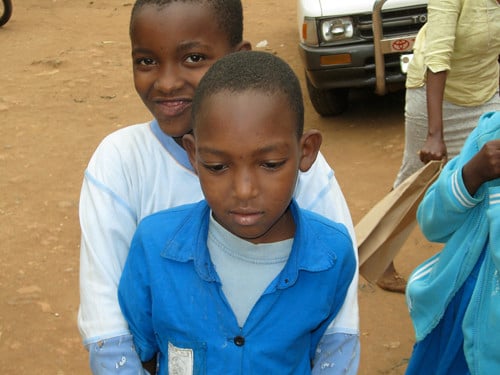 For many people living in rural communities, distance, poverty and limited medical resources can make it difficult to access health care. Although Rwanda has made significant progress in reducing poverty over the past two decades, many rural families still face financial and geographic barriers to receiving timely medical care. Community health workers in Rwanda are helping bridge that gap by bringing essential health services directly to underserved communities. Through basic medical care, health education and referrals, these trained volunteers have become a cornerstone of Rwanda’s health system while improving health outcomes for some of the country’s most vulnerable populations.
Bringing Health Care to Rural Communities
Rwanda’s Community Health Worker Program was established in 1995 following the 1994 genocide and has expanded steadily under the country’s Ministry of Health. Today, approximately 58,000 community health workers serve communities across Rwanda. The program is supported by partners including the World Health Organization (WHO), United Nations Children’s Fund (UNICEF) and Health Builders, which help provide training, supervision and technical support. Community health workers receive training to monitor pregnancies, identify illnesses, promote vaccinations and connect patients with health facilities when additional care is needed. Because they live in the communities they serve, they can identify health concerns early, educate families and encourage people to seek treatment before illnesses become more serious. This approach has helped reduce barriers to health care for low-income families who may otherwise struggle with transportation costs or long travel distances to clinics.
According to the WHO, Rwanda has made remarkable progress in maternal and child health over the past two decades. Maternal mortality declined from more than 1,000 deaths per 100,000 live births in 2000 to approximately 203 in 2020. During the same period, under-five mortality also declined significantly, reflecting major improvements in community-based health services and access to primary care.
Improving Maternal and Child Health
One of the program’s greatest successes has been improving maternal and child health. Community health workers track pregnancies, encourage prenatal checkups and identify warning signs that require medical attention. They also educate parents about nutrition, breastfeeding and childhood illnesses while helping children receive routine vaccinations.
According to UNICEF, Rwanda has achieved consistently high childhood vaccination coverage while significantly reducing under-five mortality during the past two decades. Researchers have also found that community health workers have contributed to reductions in maternal mortality by connecting pregnant women with health facilities, encouraging skilled birth attendance and ensuring timely referrals when complications arise. These services are especially important for families living in poverty, where delayed treatment or limited access to medical care can have life-threatening consequences. By delivering preventive care directly within communities, community health workers help reduce health inequalities and improve access to essential services for thousands of Rwandan families.
A Model Recognized Around the World
The success of community health workers in Rwanda has gained international recognition. The World Bank reports that Rwanda has met or exceeded many global health targets by emphasizing preventive care, community participation and strong primary health care systems. Technology has also strengthened the program. Rwanda introduced RapidSMS, a mobile phone reporting system that allows community health workers to register pregnancies, monitor expectant mothers and quickly report high-risk cases to nearby health facilities.
The system has improved communication between villages and health centers, helping mothers and newborns receive care more quickly when complications arise. As countries continue searching for ways to improve access to health care, community health workers in Rwanda demonstrate how investing in community-based medicine can improve health outcomes while reducing the barriers created by poverty. By bringing essential services directly into underserved communities, Rwanda has created a sustainable model that continues to save lives and offers valuable lessons for other developing countries seeking to strengthen their health systems.
– Masa Qasim
Masa is based in Toronto, Canada and focuses on Good News for The Borgen Project.
Photo: Flickr
