From Nigeria to Senegal: West Africa Agribusiness Opportunities
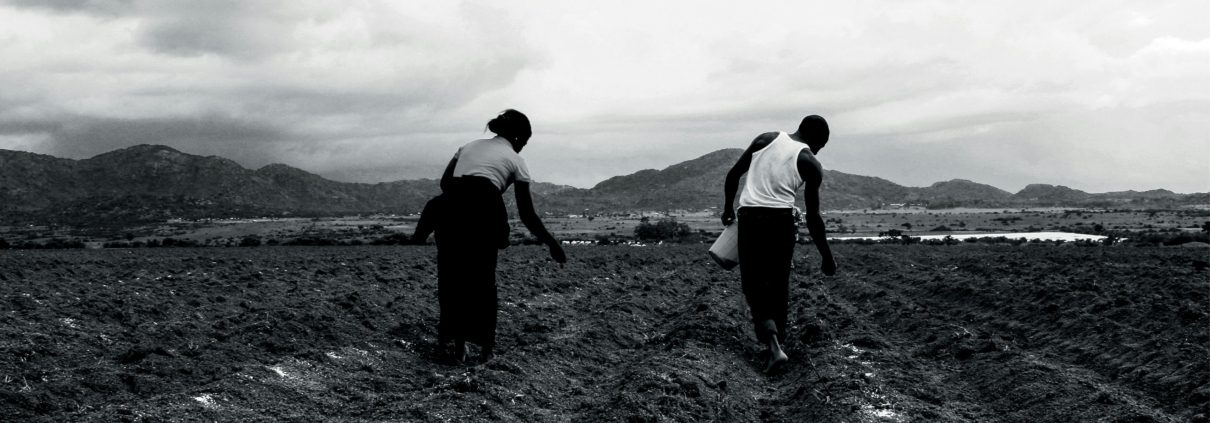 West Africa agribusiness opportunities are attracting attention from investors, development organizations and food-sector professionals. Across countries such as Nigeria, Ghana, Côte d’Ivoire and Senegal, agribusiness is becoming more than farming. It now includes food processing, branded packaged foods, sustainable packaging, cold-chain logistics and local supply chains. These areas matter because they can create jobs, improve food security and support poverty reduction.
The Role of Agribusiness in Economic Growth
The World Bank states that farming and agribusiness do more than feed people; they can support economic growth, reduce poverty and create jobs across production, processing, transport, trade and retail. This makes agribusiness important in West Africa, where agriculture remains closely linked to livelihoods and income generation.
Food insecurity also makes investment in food systems urgent. In January 2026, the Food and Agriculture Organization (FAO) warned that up to 52.8 million people in West Africa and the Sahel could face acute food insecurity during the June-to-August 2026 lean season if further action is not taken. The countries most at risk included Nigeria, Ghana and others in the region.
Investment and Growth in Agribusiness
One example of investor interest is Sahel Capital, a Lagos-based investment firm focused on food and agriculture. According to How We Made It in Africa, Sahel Capital launched the Sahel Capital Agribusiness Fund II, also known as SCAF II, to invest in agribusiness companies across Nigeria, Ghana, Côte d’Ivoire and Senegal. The fund had secured $29 million toward a $75 million target and planned to make investments ranging from $3 million to $15 million.
This shows that West Africa agribusiness opportunities are not limited to primary farming. The fund focuses on companies that can scale, improve food systems and strengthen local value chains. Sahel Capital’s previous investments also show how agribusiness finance can support growth in food processing and distribution. For example, Sahel invested in L&Z Integrated Farms, a dairy and yogurt producer in Kano, Nigeria. The African Private Capital Association reported that Sahel’s investment supported the expansion of the company’s processing plant and dairy farm.
Another previous investment was Coscharis Farms, a rice-processing business in Anambra State, Nigeria. According to How We Made It in Africa, Sahel’s investment helped finance processing facilities, expand cultivation and support a business model that bought rice from thousands of small-scale farmers. This type of investment can be important because it connects larger agribusinesses with local producers.
Opportunities in Branded Packaged Foods
One area of opportunity is branded packaged foods. As urban populations grow and consumer habits change, there is rising demand for food products that are safe, convenient, recognizable and easier to distribute. Sahel Capital’s first SCAF II investment was in Delifrost Caterers, a Nigerian company involved in packaged foods and cold-chain distribution. The African Private Capital Association reported that the investment was made alongside the fund’s first close and that Delifrost operates in integrated cold-chain distribution for packaged foods.
Branded packaged foods can support poverty reduction when companies source ingredients locally and work with farmers, suppliers and distributors. Instead of only selling raw agricultural products, local businesses can add value through processing, branding, storage and packaging. This can create more jobs across the value chain.
Insights From Terence Unogwemoh Egwaogie
The Borgen Project spoke with Terence Unogwemoh Egwaogie, a Caritas volunteer based in Austria, in an email interview about food systems, agribusiness and poverty reduction. Through his volunteer work, Egwaogie supports vulnerable people, including those experiencing homelessness and poverty. He said this work has developed his interest in food systems, community development and poverty reduction.
Egwaogie explained that West Africa has “enormous agricultural potential” because of its fertile land, growing population and high demand for food. He said investment in agribusiness can increase food production, create employment, reduce poverty and improve food security. His comments show why agribusiness is not only a business issue but also a development issue.
Countries such as Nigeria, Ghana, Côte d’Ivoire and Senegal are attractive for agribusiness growth because they have large agricultural markets, favorable climates and natural resources. Egwaogie also noted that some governments are introducing policies to encourage agricultural investment and improve food production. This is important because private investment often works best when supported by public policy, infrastructure and training.
Sustainable Packaging and Cold-Chain Logistics
Sustainable packaging is another important part of West Africa agribusiness opportunities. Packaging helps protect food during transport, preserve quality and extend shelf life. However, packaging can also create environmental problems if it depends heavily on non-recyclable materials. Egwaogie said sustainable packaging can reduce food waste, protect products during transportation and minimize pollution by encouraging recyclable or biodegradable materials.
Cold-chain logistics can also reduce food loss. FAO says cold chains help keep food fresher and more nutritious from farm to fork. This is especially important for perishable foods such as dairy, meat, vegetables and frozen products. In West Africa, better cold storage and transport can help food businesses reach more consumers while reducing spoilage.
Support for Smallholder Farmers
Agribusiness investment can also support smallholder farmers. Egwaogie explained that investment can provide farmers with improved seeds, equipment, affordable loans, organic fertilizers, training, storage facilities and better transportation. These forms of support can increase productivity, reduce post-harvest losses and improve farmers’ incomes.
However, agribusinesses in West Africa still face serious challenges. Egwaogie identified limited mechanized farming, inadequate storage and processing facilities, poor road infrastructure, limited access to finance, climate change and insufficient agricultural education as major barriers. These challenges show why investment alone is not enough. Agribusiness growth also requires infrastructure, skills development and better access to finance.
The World Bank’s recent work in Nigeria shows the importance of strengthening agricultural value chains. In March 2026, the World Bank approved a $500 million credit for Nigeria’s Sustainable Agricultural Value-Chains for Growth Project, which aims to increase smallholder farmer productivity, strengthen agricultural value chains, create jobs and improve food and nutrition security.
Inclusive Growth for Poverty Reduction
For agribusiness growth to reduce poverty, it must be inclusive. Egwaogie said agribusiness can create jobs and income-generating opportunities across the agricultural value chain, especially for young people, women and rural communities. This is important because poverty reduction depends not only on business growth but also on who benefits from that growth.
West Africa agribusiness opportunities in branded foods, sustainable packaging and food processing have the potential to support food security and economic development. Investment can help businesses scale, improve supply chains and create employment. However, the greatest impact will come when agribusinesses work with smallholder farmers, support local suppliers, reduce food waste and create opportunities for communities most affected by poverty.
Agribusiness alone cannot end poverty in West Africa, but it can form part of a wider solution. When investment is linked to local sourcing, sustainable packaging, cold-chain logistics, training and fair access to markets, the region’s food sector can become a stronger driver of poverty reduction.
– Josephine Dokpesi
Josephine is based in Luton, UK and focuses on Business and New Markets for The Borgen Project.
Photo: Unsplash
