How Food Waste in Uruguay Turn Into Meals
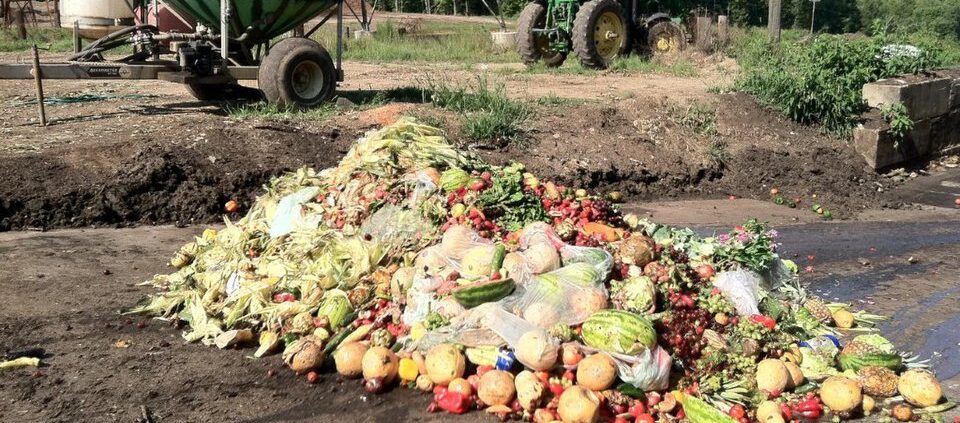 Food waste in Uruguay involves more than just discarded food. It also concerns food that could reach families, children and community kitchens before losing its value. Uruguay has made progress in food security, but some households still struggle to obtain enough food. The Ministry of Social Development reported that in 2025, 13.2% of households experienced moderate or severe food insecurity. The same report found that 18.9% of households with children younger than six faced moderate or severe food insecurity. This makes addressing food waste in Uruguay crucial, as food access remains challenging for the most vulnerable families.
Food Waste in Uruguay and Redalco
Uruguay’s Ministry of Environment reported that more than 1 million tons of food are lost or wasted in the country each year. The government states that food donation can help prevent edible food from becoming waste and support food security. Red de Alimentos Compartidos, known as Redalco, addresses this issue by focusing on fruits and vegetables still fit for consumption but not selected for the market.
Redalco’s mission is simple: deliver fruits and vegetables to those who need them most while reducing food waste. The organization reports that 125 million kilograms of fruits and vegetables are wasted each year in Uruguay due to factors like shape, size, color or excess production. Some food is not sold because it does not meet buyers’ typical expectations. Redalco sees this as an opportunity to connect nutritious food with those in need.
How Redalco Works
Redalco collects food from companies within the Unidad Agroalimentaria Metropolitana (UAM), Uruguay’s wholesale food market, and from farms. The team and volunteers then sort the recovered fruits and vegetables, pack them into boxes and organize daily orders for beneficiaries. Redalco delivers the food to organizations that assist vulnerable communities, including CAIF centers, children’s clubs, schools, high schools, youth centers, snack centers, community kitchens, shelters and soup kitchens.
This process is important because it organizes food rescue rather than relying on random collection. Redalco has established a system where food moves from producers and markets to social organizations familiar with community needs. While it does not solve all food insecurity issues, its model demonstrates how a local and straightforward idea can provide real support for families.
Growth and Impact
Redalco began in 2016, delivering 22,000 kilograms of food to 12 organizations. Since then, its efforts have expanded significantly. In 2024, Redalco delivered more than 1,550,225 kilograms of food and collaborated with over 400 organizations. Redalco reports that it supplies fruits and vegetables weekly to more than 400 organizations, aiding over 50,000 people. These figures illustrate how food rescue can become a substantial support system when volunteers, markets, farms and organizations collaborate.
Redalco’s impact aligns with national efforts. Uruguay enacted Law No. 20.177 to promote donations of food safe for human consumption. The law aims to support food security and reduce food waste. The country later regulated the law through Decree No. 179/025. According to Uruguay’s tax agency, the regime allows food companies, including producers, distributors, industries and stores, to donate food to approved nonprofits serving vulnerable populations. This provides structure to food donation and encourages more companies to participate.
A Simple Solution With a Bigger Meaning
Food waste in Uruguay connects poverty, food access and market preferences regarding what food appears “good” enough to sell. Redalco’s work shows that solutions do not always need to be complex. Many fruits and vegetables may look different, but they can still nourish children, families or individuals in vulnerable situations.
Instead of becoming waste, Redalco repurposes it. With over 400 organizations reached in 2024 and more than 50,000 people supported weekly, Redalco is transforming food waste into a source of nutrition and dignity in Uruguay.
– Mateo Alcocer
Mateo is based in West Hills, CA, USA and focuses on Good News and Technology for The Borgen Project.
Photo: Wikimedia Commons
