Higher Education in Kazakhstan and its Transitioning Economy
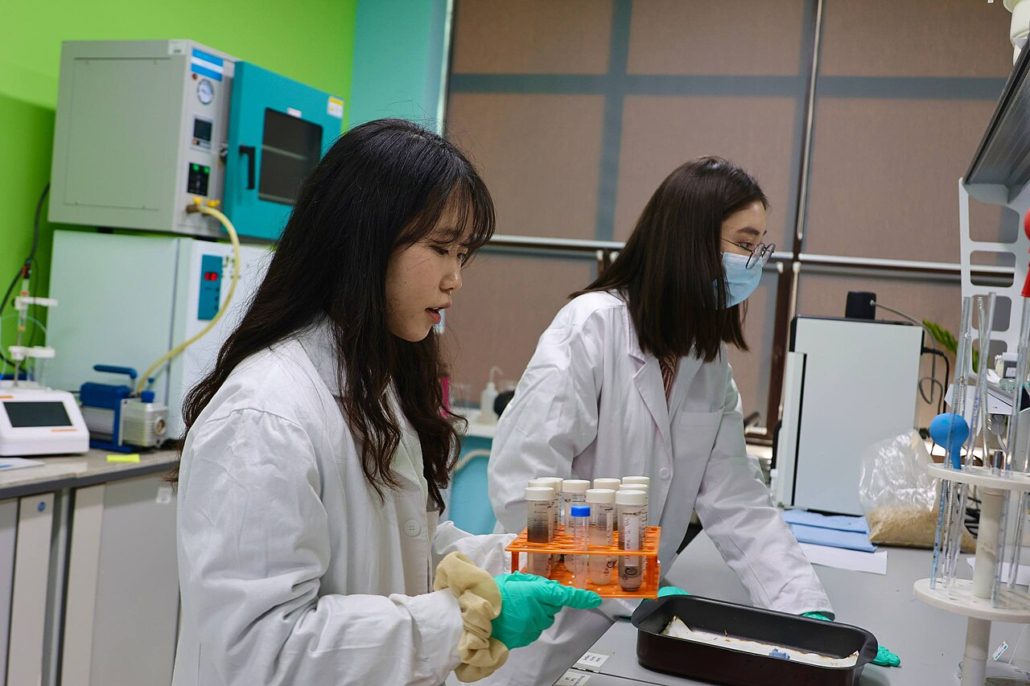 Higher education in Kazakhstan, in more recent years, has reformed its systems with the support of the European Union, increasing enrollment rates in higher education.
Since the fall of the Soviet Union, Kazakhstan has been a country in transition. This has not only affected its economy and central government but also its education system. As of 2024, more than half of children in primary education are unable to read and understand age-appropriate text. This created challenges in secondary education, which can reduce students’ motivation to pursue higher education.
Promoting Higher Education
After the fall of the Soviet Union, private schools expanded, but were later deemed to be of poor quality. During this time, the government controlled public schools and universities. Following the country’s independence, public universities introduced fees.
As Kazakhstan’s oil-driven economy grew, its need for higher education increased. This created a slight increase in enrollment in universities as employers demanded more skilled professionals. However, in recent years, employment rates among university graduates have remained low.
Driven by education reforms, the country’s 2050 Strategy pledged to diversify Kazakhstan’s economy. This strategy includes goals to improve the quality of teaching while providing access to higher education for poorer students. The European Bank for Reconstruction and Development (EBRD) has identified the need to “improve inclusion across regions and for vulnerable population groups.”
The Republic of Kazakhstan launched many bold internationalization goals within the implementation of the Academic Mobility Strategy in Kazakhstan 2012-2020. These goals focused on increasing the number of international students in Kazakhstan as well as the number of students studying abroad. To support these programs, Kazakhstan joined the Bologna Process. According to a WENR article, “The government has embraced educational reforms aimed at opening education provision to the free market.”
The European Union’s Help With Higher Education
Kazakhstan became part of the Bologna Process in 2010, which is making higher education in Kazakhstan more inclusive and accessible. The Bologna Process started with the Sorbonne and Bologna Declarations, which addressed the difficulties in the recognition of degrees in Europe.
The Bologna Process consists of a three-cycle education system that includes bachelor’s, master’s and doctoral degrees. Among the 28 counties involved, there is an agreed system that creates a standard for qualifications and principles.
The Republic of Kazakhstan also incorporated the Paris Communiqué to create more inclusive learning approaches to learning to create more participation in higher education. The main focus of this implementation was to make university degrees more accessible to all citizens, especially those with lower representation.
When it comes to accessibility in lower-income households, the government does provide support to help improve access to primary and secondary education, but it does not target financial support for higher education. Only about 50% of students enrolled in universities in Kazakhstan receive financial support. Kazakhstan is currently introducing measures to help increase participation, but it has only adopted two of four proposed measures.
Another major program introduced to Kazakhstan was the European Credit Transfer and Accumulation System (ECTS). This allows a way to transfer loans from one institution to another, specifically if a student studied abroad. According to the Independent Agency for Quality Assurance in Education, “Currently, this system plays an additional role in the accumulation of loans, the development, description and implementation of programs.”
Current Institutions in Kazakhstan
According to the admission quota, “64,300 people study in higher education institutions.” Of those enrolled in higher education, 45.1% are in attendance in public institutions, 54.1% attend private institutions, while the last 0.7% are enrolled in foreign universities. Students are accepted based on general secondary education, technical and vocational education, and on the basis of higher education.
There are different types of organizations offered for higher education in Kazakhstan. These include research universities, academies, conservatories as well as national research universities for postgraduate degrees. Research universities offer five-year programs approved by the government, while institutions considered National Organizations of Higher Education are granted special status.
At the national level, Al-Farabi Kazakh National University holds the highest ratings for its educational programs. The institution has been ranked in the top 3% of the best universities in Asia. On a global level, the institution is ranked 166th due to its academic reputation, graduate employment and large share of foreign students and professors.
Working Towards the Future
Although Kazakhstan is still in a transitional period, changes are still occurring to education in order to align their education system with international standards. Still today the country’s government is working on improvements to inclusion within higher education. Scholarship programs have played a major role in establishing international partnerships providing more opportunities.
Poverty continues to be a problem in the country, as factors such as aftershocks of COVID-19 and the war in Ukraine have affected employment and inflation. There is a correlation between poverty levels and the percentage of those enrolled in higher education. As of 2023, only 25% of the bottom 40% have post-secondary education, whereas 75% of the top 60% have higher education.
Looking Ahead
Improving education systems within the country is not only beneficial to their education rates, but also to their economy. As dependence on petroleum for the economy increased, so did pledges of diversification, leading to the many reforms that have expanded higher education. As the economy continues to grow, so do the rates of education within Kazakhstan.
– Jacquelyn Orr
Jacquelyn is based in Philadelphia, PA, USA and focuses on Business and Good News for The Borgen Project.
Photo: Wikimedia Commons
