Being Poor in Singapore
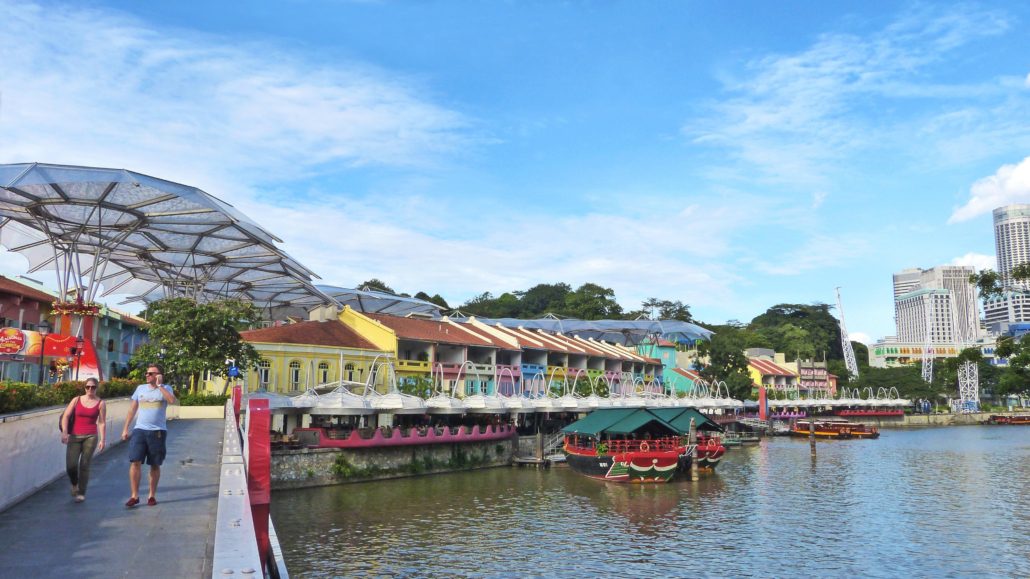 Many people know Singapore from the movie “Crazy Rich Asians,” and the movie itself is not far off from what Singapore looks like and how it operates. Singapore is a country off the coast of Malaysia, with a population of almost six million people.
As a country, Singapore developed significantly, with older portions of the city being transformed. Older Malay kampong houses are beginning to disappear with buildings from the Housing and Development Board (known as HDBs) replacing them instead.
Singapore’s population is multicultural and diverse. With Hindu temples nestled amongst Chinatown, the nation prides itself on religious toleration and multiculturalism.
While Singapore seems ideal and almost-perfect, poverty does still exist. Around 3% of Singapore’s population live in absolute poverty, meaning that their household income is less than the pre-determined level (“minimum income standard” in Singapore is $1,680). Being poor in Singapore makes it difficult for them to gain basic necessities, like food, water, shelter and more.
Affordability in Singapore
While International Citizens Insurance ranks Singapore as one of the most expensive countries to live in, there are affordable options in Singapore. HDBs, mentioned earlier, are Singapore’s public housing, and around 80% of the population live in these buildings. Hawker centers earn Michelin stars in Singapore for their renowned dishes, but people also know them for being very affordable.
Minorities Affected in Singapore
Minorities that are most affected include low-wage workers (who make up “60% of Singaporeans living in poverty”), unemployed and underemployed people, elderly (especially older women). However, one should note that these numbers do not include migrant workers. Although poverty may not be completely visible, there are certain minorities that struggle more than others, including rough sleepers and migrant workers.
Rough sleepers in Singapore are “individuals who sleep in public spaces” (excluding whether they have housing or not). CNA states that not all who are homeless sleep rough. Despite half of rough sleepers (around 47%) having a home, 20% of rough sleepers have financial struggles while 29% have trouble “securing or maintaining housing.”
Moreover, Singapore’s migrant workers often get low-wages yet have “labor-intensive jobs.” Despite their work to develop the country, they do not receive the same access to healthcare. Workers often have their “healthcare declined” or managed by their employers. According to one study, people in Singapore may believe that migrant workers “threaten the country’s culture and heritage.”
The same study stated that only a small majority of the public support the idea of giving maternity leave to migrant women. And only a small number of people supported providing equal wages to women migrant workers working the same job as women nationals.
Rising Cost of Living in Singapore
Households are becoming less prepared for the future and financial resilience is decreasing due to increasing costs of living in Singapore. The monthly cost of living in Singapore is around $2,560, and the numbers can increase if an individual is married or has kids (because of including other necessary payments like insurance). Since 2000, the cost of HDB resale apartments have also increased by 168.6%.
Solutions in Singapore
The experience of minorities combined with rising living costs proves to be a challenge, but the country has taken measures to alleviate the issue of being poor in Singapore. For instance, the Ministry of Social and Family Development will provide $450,000 to help organizations combat homelessness; applications for this fund (called Partnerships to Tackle Homelessness or PATH) opened on April 1st, 2026 to help organizations find “trial solutions that address the underlying causes of rough sleeping.”
Furthermore, HealthServe, a nonprofit for migrant workers, was finally able to secure the now-mandatory Primary Care Plan (a plan that “aims to provide eligible workers with accessible and affordable healthcare”) after years of advocacy. The Primary Care Plan took effect on April 1st 2022 and more than 490,000 migrant workers are enrolled in this plan. While language, employer support and mental health support are obstacles yet to overcome, Singapore has made progress in these areas.
Looking Ahead
Singapore isn’t a perfect country, and there are still minorities who struggle with being poor in Singapore. However, with the help of local NGOs and government intervention, these problems are slowly being alleviated, and these small steps will ultimately lead to a better environment for everyone.
– Sahana Sundar
Sahana is based in Singapore and focuses on Good News and Politics for The Borgen Project.
Photo: Pixabay
