Lady Health Workers Treat Postpartum Depression in Pakistan
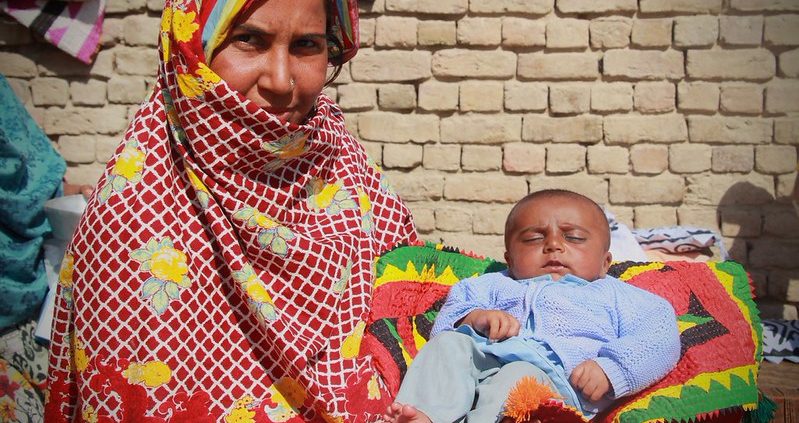 As many as one in four new mothers in low- and middle-income countries experience perinatal depression, which includes depression during and after pregnancy and rates in South Asia are among the highest in the world. Yet most affected women will never see a mental health professional. Pakistan has fewer than one psychiatrist per 100,000 people, far below the global average. Postpartum depression in Pakistan is one of the most under-treated drivers of household poverty and a program built around community health workers, rather than specialists, is helping to close that gap.
The Weight of Poverty for Pakistani Women
Poverty shapes everyday life for a large share of Pakistan’s population. The World Bank estimates that about 22.5% of Pakistanis lived below the national poverty line in fiscal year 2025, down from 25.3% the year before, with the September 2025 Pakistan Poverty, Equity and Resilience Assessment warning that earlier gains have been eroded by COVID-19, inflation, the 2022 floods and macroeconomic stress. Roughly 61% of the population lives in rural areas where formal mental health services are almost entirely absent. Poverty affects women differently than men.
In many low-income households, women carry the majority of unpaid caregiving and domestic work, have less independent income and less decision-making power over health spending and are more likely to be excluded from formal employment. Pakistan’s female labor force participation rate stood at around 24% in 2024, one of the lowest in South Asia. For a new mother struggling with untreated depression, the consequences ripple outward: lost wages, weaker bonds with a newborn, poorer infant nutrition and a tighter intergenerational cycle of disadvantage.
Postpartum Depression in Pakistan
Depression during and after pregnancy is one of the most common complications of childbirth and its effects reach beyond the mother. Research has linked maternal depression to pre-term birth, child under-nutrition and stunting, creating consequences that pass from one generation to the next. For families already living in poverty, the burden compounds. A mother struggling silently may find it harder to care for her infant, maintain household income or seek health services.
The stigma around mental illness deepens the problem. In a country where mental health care is concentrated in cities and where talking about depression often carries shame, rural and low-income women are the least likely to receive support and the most likely to be told their symptoms are simply part of motherhood.
Therapy Without Therapists
The response is the Thinking Healthy Program, a structured psychological intervention based on cognitive behavioral therapy and designed specifically for delivery by nonspecialists. It was developed in Pakistan by Professor Atif Rahman and colleagues and tested in a landmark cluster randomized controlled trial published in The Lancet in 2008. That trial, conducted with community health workers in rural Rawalpindi, roughly halved the risk of perinatal depression among mothers and improved infant health outcomes. The results drew international attention.
In 2015, the World Health Organization (WHO) published the Thinking Healthy manual and recommended the approach for treating perinatal depression in low-resource settings worldwide. The model has since been adapted across South Asia and Sub-Saharan Africa. The program works because it does not depend on scarce specialists. Community health workers are trained to help mothers recognize negative thinking patterns, build supportive routines and strengthen family support, during the same home visits they already make for maternal and child health.
Building on the Lady Health Worker Network
In Pakistan, that delivery network already exists. The Lady Health Worker Program, launched in 1994, employs more than 100,000 women who provide primary health care to communities across the country, with a focus on maternal and child health in rural areas. Each worker is recruited from the community she serves, which helps build the trust that mental health support requires. A 2025 study in the Journal of Global Health confirmed that contact with Lady Health Workers during pregnancy and after birth is associated with stronger uptake of maternal and child health services. That existing relationship makes the workforce a natural vehicle for the Thinking Healthy Program.
Researchers have also tested versions delivered by trained peer volunteers from the community rather than government health workers. Indeed, a 2025 trial published in Nature Medicine, conducted in rural Rawalpindi, found that technology-assisted peer-delivered Thinking Healthy was as effective as the standard WHO version in sustaining remission of perinatal depression, offering a way to extend care where health workers are stretched thin. The work is led by the Human Development Research Foundation, an Islamabad-based research organization. Challenges remain. A 2024 analysis found that Lady Health Worker coverage in Sindh province reached only 43% of the population, with wide district-level gaps. Expanding mental health care depends on first strengthening and sustaining the network that delivers it.
Looking Ahead
Postpartum depression in Pakistan remains widespread and under-treated and no single program will resolve it. Yet the Thinking Healthy Program shows that effective care does not require a psychiatrist in every village. By training community health workers and peers to deliver evidence-based therapy, Pakistan has built a model that is both affordable and proven. With sustained investment in the Lady Health Worker network, treatment for postpartum depression can become a route out of a hidden cycle of poverty for the rural and low-income mothers who need it most.
– Amna Al Harrazi
Amna is based in Dubai, UAE and focuses on Global Health for The Borgen Project.
Photo: Flickr
