Persistence in Health Care: Polio Vaccines in Nigeria
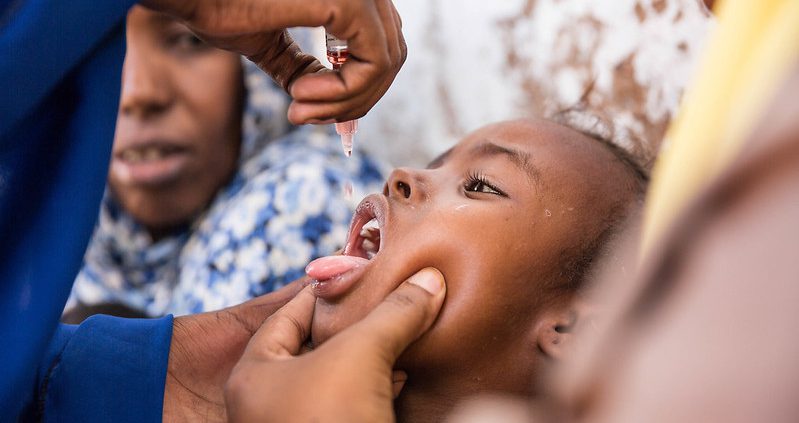 Nigeria, often referred to as having the highest “zero-dose population in the world,” is moving away from fragmented health campaigns toward an integrated vaccination campaign aimed at protecting about 106 million children from measles, rubella and polio.
Though Nigeria was certified polio-free in 2020 due to its approach to implementing routine immunization, health care workers continue to provide treatment and care for children who have slipped through the cracks.
Integrated Health Campaigns
Nigeria has launched 20 health campaigns annually, with fewer than 15% integrated during this period. This strained resources, stretched health care workers thin and caused communities to lose faith in preventative care, opting instead for palliative care rather than seeking proper treatment for polio.
This began to change when Nigeria launched one of its largest vaccination campaigns in 2025, combining a variety of vaccines and child health care services to ensure treatment for children across the nation.
The campaign targets children ages 0-14 and 0-59 months for polio and was implemented in two phases:
- 20 high-risk northern states and Oyo state in the southwest
- In January 2026, the remaining southern states will follow
In addition to vaccines for measles and rubella, the integration of routine immunization and necessary health services will reinforce Nigeria’s “Primary Health Care Under One Roof” strategy and advance its Health Campaign Effectiveness in the direction of universal health coverage.
By the end of 2025, Nigeria achieved a 31% reduction in polio cases through persistence and constant vigilance.
Building Trust
With these campaigns shifting into routine immunization, Nigeria is prioritizing the health of its new generation while also addressing distrust.
In northern states like Sokoto, vaccinations were not readily accepted due to religious and cultural beliefs. Trust is part of the solution. Without it, polio vaccines in Nigeria go unused.
During Nigeria’s polio campaigns, communities and their religious leaders built community networks, called majalisa, where they assured families that the vaccines were safe and crucial for their children’s health. This partnership bridged the gap between hesitant families and health care workers, increasing the intake of not only polio vaccines but also treatments for other childhood diseases.
The same health workers who helped control polio initially convinced communities to bring in their children for continual treatment. This communication and connection have paid off as health care workers can identify households, plan outreach routes and record how many children are vaccinated, improving their reach.
Ongoing Efforts
It takes many components to create a solution, but once they come together, they work in harmony. Polio vaccines in Nigeria are now reaching children and households that were often underrepresented or out of the health system’s reach. Nigeria’s efforts will continue to pay off and even as challenges arise, persistence will increase the number of children receiving polio vaccines.
– Kianna Phosouvanh-Sythong
Kianna is based in Upper Darby, PA, USA and focuses on Good News and Global Health for The Borgen Project.
Photo: Flickr
