Innovations in Poverty Eradication in Bolivia
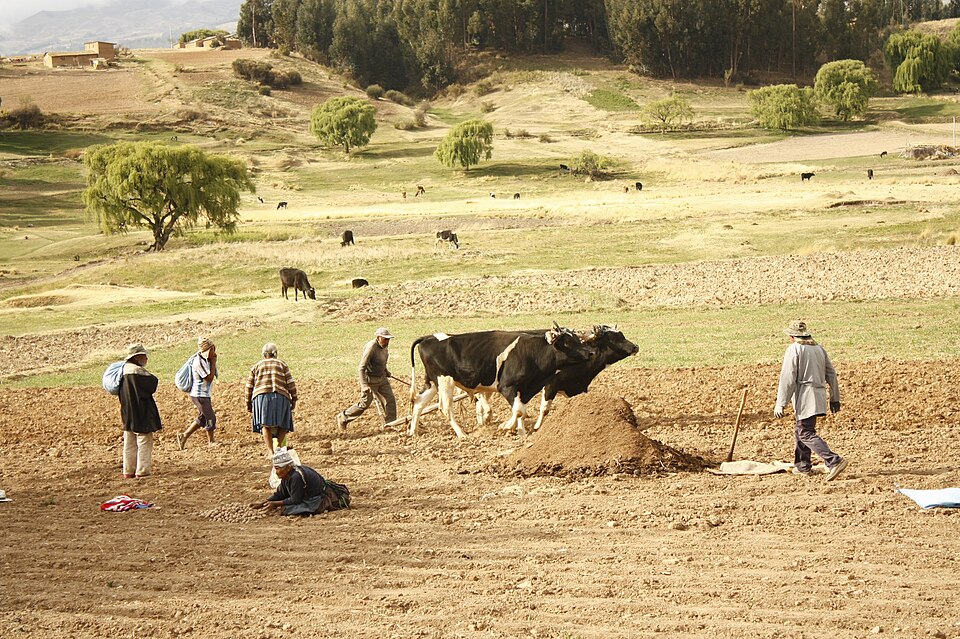 Bolivia faces major economic and rural development challenges. After the pandemic, the country experienced economic recovery and poverty reduction. However, it still faces high public debt, declining natural gas production, lower international reserves and strong exposure to droughts, floods and wildfires.
Innovations in poverty eradication in Bolivia focus on practical solutions that connect rural communities with markets, energy, water, training and more resilient agriculture.
Agricultural Innovation and Market Access
One major initiative is the Innovation for Resilient Food Systems (Rural Alliances – PAR III) project. In 2022, the World Bank approved $300 million in financing to benefit nearly 130,000 rural families in Bolivia. The project aims to increase food security, improve market access and expand the use of climate-smart agricultural practices.
It also supports at least 1,000 rural community associations and 1,270 rural producer organizations through productive alliances, technology, training and technical assistance. This model matters because it does not treat small producers as passive beneficiaries. It connects farmers with buyers, associations and institutions through business plans designed to improve efficiency, profitability and market access.
Since 2006, the Rural Alliances Project has helped small producers access financing, technology and training, three key tools for improving productivity and quality of life.
Rural Solutions With Real Impact
The Food and Agriculture Organization (FAO) highlights Apiguardia, a beekeeping alliance in San Ramón made up of 18 men and 10 women. With technical support, the group improved hive management, adopted migratory beekeeping practices, increased honey quality and entered more formal and stable markets. This example shows that innovation does not always mean complex technology.
It can also mean specialized training, community organization and better production tools. The results of the Rural Alliances Project highlight the importance of this approach. According to FAO, the first phase benefited more than 28,000 rural households and established 768 alliances.
The second phase reached more than 23,000 families in 120 municipalities. In addition, the market value of certain products increased by 35%, while moderate poverty fell by 11.7% and extreme poverty fell by 10.1% among lower-income beneficiaries.
Sustainable Energy for Rural Communities
Another key aspect of innovation in poverty eradication in Bolivia is access to sustainable electricity. In 2023, the World Bank approved $125 million to expand and improve electricity service in rural communities. More than 141,000 people will receive new or improved access to electricity through grid extensions, mini-grids and individual solar systems.
These solutions will benefit households, schools, health centers and small agricultural, commercial and industrial production units. Electricity can reduce poverty by improving living conditions and boosting productivity. In rural areas, it can support food preservation, tool use, nighttime study, health center operations and the creation of small businesses.
The project also includes solar systems, renewable mini-grids and training in efficient energy use, helping support a cleaner transition that depends less on polluting fuels.
Water, Irrigation and Climate Resilience
Access to water is also essential for reducing rural poverty. In 2024, the World Bank approved $150 million to improve water resource management, irrigation and climate resilience in 15 basins and 256 municipalities. The project will benefit about 30,000 rural families, especially subsistence farmers in upper-basin areas affected by drought, deforestation and soil erosion.
The project focuses on three main areas: protecting water sources through reforestation and native grassland recovery, optimizing household and community irrigation systems and building flood- and erosion-resistant infrastructure. It also includes automated irrigation to improve crop productivity, diversify production and improve household income.
These investments can help rural families adapt to climate instability while strengthening agriculture.
A Practical Strategy Against Poverty
These initiatives demonstrate that Bolivia is combining agricultural innovation, basic infrastructure and climate adaptation to address rural poverty. These are not immediate or perfect poverty eradication solutions, but they target concrete problems in Bolivia: low productivity, limited market access, water insecurity, power shortages and vulnerability to climate change.
The strongest part of these strategies is that they strengthen rural communities as producers, entrepreneurs and participants in value chains. When a rural family gains access to irrigation, electricity, training and stable buyers, it has more opportunities to increase income, diversify production and withstand climate crises. Bolivia still faces major economic and social challenges.
However, these projects show that innovation can be a real tool against poverty when it responds to concrete needs. The Bolivian experience shows that reducing poverty depends not only on large national plans but also on practical solutions that reach rural communities and improve their ability to produce, sell and live with greater stability.
– Adriana Carolina Herrera
Adriana is based in Painesville, OH, USA and focuses on Technology and Solutions for The Borgen Project.
Photo: Wikimedia
