Women-Led Shea Butter Cooperatives in Northern Ghana
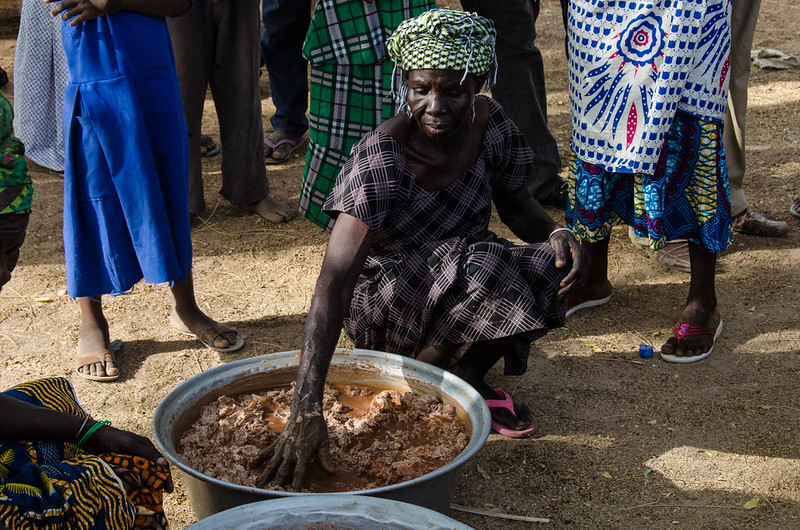 Women-led shea butter cooperatives in northern Ghana are helping rural women increase income while supporting environmental conservation and sustainable development. Shea butter, made from nuts harvested from shea trees, is widely used in cosmetics, pharmaceuticals, cooking products and chocolate production, making it one of Ghana’s leading export commodities. As international demand for shea products continues to rise, women-led shea butter cooperatives are expanding economic opportunities for women across northern Ghana.
Shea Production Supports Rural Livelihoods
In many rural communities across northern Ghana, livelihoods depend heavily on agriculture and natural resources. Shea production has become one of the region’s most important economic activities for women. According to the United Nations Development Programme’s (UNDP) article “The Shea Revolution: Modernizing the Shea Value Chain for Ghana’s Women,” the global shea butter market is valued at approximately $2.75 billion and is projected to grow to $5.58 billion by 2033.
Despite the product’s value, traditional shea processing remains physically demanding and time-consuming for many women. Osman Mariam, a shea producer in northern Ghana, described the importance of shea butter production by stating, “For the women here, shea butter is like our gold,” Mariama said. “It is what we depend on to support our families.”
Women-Led Shea Butter Cooperatives Expand Opportunities
Women-led shea butter cooperatives help women improve production quality, increase output and access international markets. One example is the Sunkpa Shea Women’s Cooperative in Ghana’s Savannah Region. Founded in 2013, the cooperative began with 565 women from eight smaller associations and has since expanded to include more than 800 women across 12 sub-cooperatives.
The cooperative operates within Community Resource Management Areas (CREMAs), which support sustainable land management and conservation practices. Through these initiatives, women help restore degraded land, protect shea trees and participate in agroforestry projects. According to the Equator initiative report, the cooperative has restored 650 hectares of agroforestry parklands and established a nursery capable of growing 700,000 seedlings.
The report also states that the cooperative supports several women throughout the shea value chain and employs 200 women at its processing facility. Memuna Braimah, chairperson of the Sunkpa Shea Women’s Cooperative, explained the impact of the organization by saying, “This encourages us to know that our actions are not only making an impact by changing our landscape but also serving as a lesson for others to know that we women, when united, can reach greater heights and achieve much more than we can imagine.”
Environmental Conservation and Women’s Rights
Environmental protection has become increasingly important for women-led shea butter cooperatives in northern Ghana. According to the Global Shea Alliance article “Protecting Shea Trees: Securing Women’s Livelihoods,” women in many communities depend on nearby shea parklands for income and economic stability. However, deforestation and land-use changes have threatened shea production in recent years.
The article explains that shea trees are increasingly being cut down for charcoal production and land development, reducing women’s access to shea nuts and forcing them to travel farther to collect them. Latifa Chimsi Abdulai, a member of the Wunda Bangbeebu Women’s Cooperative, emphasized the importance of conservation efforts. “She knows preservation is key,” the article states, as cooperative members work with chiefs and local leaders to restore protections for shea parklands.
The Global Shea Alliance reported that more than 16,000 shea trees across Ghana, Togo and Benin have been digitally mapped. The initiative also linked more than 3,500 women producers through the Enhancing Women’s Land Tenure through Shea Tree Mapping project. The initiative helps strengthen women’s land rights while supporting environmental sustainability.
Modern Technology Improves Working Conditions
Modern shea-processing equipment is also helping improve working conditions for women. According to UNDP Ghana, the organization partnered with Community Development Alliance Ghana and the Government of Japan to establish modern shea butter processing facilities in communities in northern Ghana. The facilities include grinders and roasters that reduce processing time and lessen the physical burden placed on women.
The initiative is expected to support approximately 150 women involved in the shea value chain. Speaking about the project, UNDP Peace and Governance Analyst Melody Azinim said, “When you reduce the burden on a woman, you multiply her potential.” Improved access to technology allowed women-led shea butter cooperatives to increase production and compete more effectively in international markets.
Looking Ahead
Women-led shea butter cooperatives in northern Ghana continue to create economic opportunities while supporting environmental conservation and sustainable development. Organizations such as the Sunkpa Shea Women’s Cooperative demonstrate how cooperative business models, international partnerships and conservation initiatives can help reduce poverty and strengthen local economies. As global demand for ethically sourced shea products continues to grow, these cooperatives may continue expanding opportunities for women and families across Ghana.
– Grelby Santos
Grelby is based in Boston, MA, USA and focuses on Business and Good News for The Borgen Project.
Photo: Flickr
