SDG 6 in Palestine: Water, Sanitation and Life Under Blockade
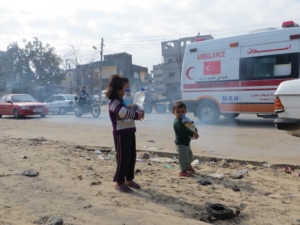 For people in the State of Palestine, SDG 6 is not just about building more pipes or treatment plants. It is about whether families in Gaza and the West Bank have access to safe drinking water, cooking water, and washing water. While global reports show some progress in water and sanitation, Palestinians continue to face serious challenges because of conflict, damaged infrastructure and ongoing crises.
SDG 6 and What It Promises
SDG 6’s goal is to “ensure availability and sustainable management of water and sanitation for all.” This includes targets for safe drinking water, proper sanitation and hygiene, better water quality and fairer, more efficient water use. Around the world, billions of people still lack safe water and sanitation, and progress is not fast enough to reach everyone by 2030. In Palestine, SDG 6 shows how conflict and political restrictions can make even basic improvements difficult.
Water Access in Palestine Today
Official SDG 6 data indicate that most people in Palestine have access to safely managed drinking water, but these numbers do not reflect the significant differences across regions and communities. In Gaza, years of blockade, over-pumping and damaged infrastructure have made the coastal aquifer very polluted. Even before the latest crisis, about 97% of its water did not meet World Health Organization (WHO) standards. Recent reports show that many families in Gaza get much less than the 50 liters of water per person per day that the U.N. says is needed for health. This forces people to use unsafe water or pay high prices for trucked water.
Gaza: Living With Extreme Water Insecurity
Gaza’s crowded population and broken infrastructure make SDG 6 especially important there. According to Anera, only about 10% of people in Gaza have safe drinking water at home. Most families must buy desalinated or delivered water if they can afford it. Pollution from untreated sewage, flooding and old, rusty pipes worsens water quality and increases the risk of disease.
West Bank: Inequality and Control Over Resources
In the West Bank, SDG 6 is affected by unequal control over water resources and restrictions on Palestinian infrastructure projects. Researchers say Israel has “hydro-hegemony” because it controls the main aquifers and the Jordan River. This means Palestinian communities often have less water per person and face frequent shortages. In many parts of Area C, Palestinians need permits to build or improve water and sanitation facilities, and the risk of demolition makes long-term planning difficult.
Lack of water and sanitation hurts health, education and jobs across Palestine, especially for children and low-income families. Not enough clean water and poor wastewater management lead to more cases of diarrhea and other diseases. Experts warn that crowded places like Gaza could face health crises. When families spend much of their money on water, they have less for food, rent, and school, which makes poverty worse.
Local and International Efforts
Even with these problems, people are working to improve SDG 6 in Palestine by building better infrastructure and making services better. In Gaza, Anera has put in 1 million meters of water pipes, providing 35,700 people in Rafah with steady water at home. It has also connected more than 2,300 homes to safer wastewater systems and added drainage to help with flooding. Other projects, like a sanitation effort in Khan Younis, aim to improve basic services by helping local governments with technical, organizational and financial support.
Strengthening these efforts could help Palestine get closer to SDG 6 and improve health, dignity, and opportunities for millions living through ongoing crisis.
– Niaz Youssefian
Niaz is based in Cardiff, UK and focuses on Global Health for The Borgen Project.
Photo: Wikimedia Commons
