Community Midwife Training in Nepal
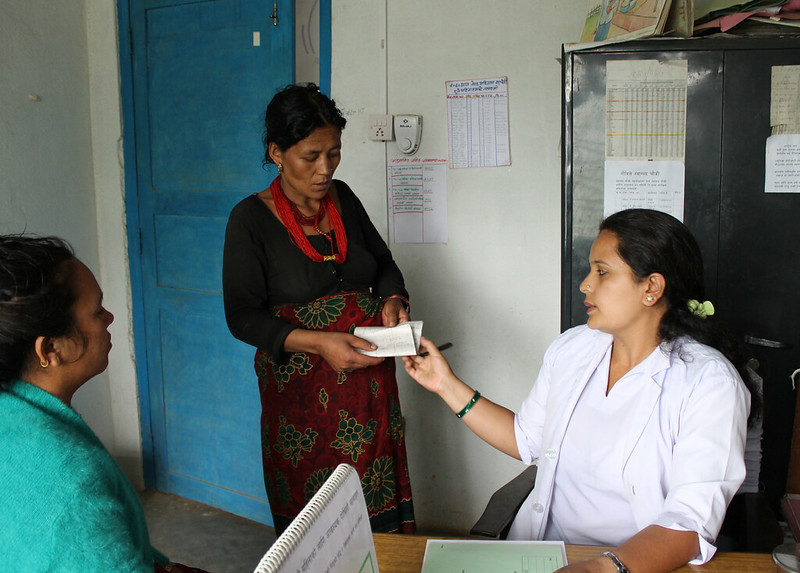 In many rural parts of Nepal, reaching a hospital during childbirth can require hours of travel. Limited access to trained medical professionals means that some women still give birth without skilled assistance. This is increasing the risk of complications for both mothers and newborns.
Programs focused on community midwife training in Nepal are helping address these challenges. They are preparing local health workers to provide safe delivery care and newborn support in remote communities.
Maternal and Newborn Health Challenges in Rural Nepal
Nepal has made substantial progress in maternal health over the past two decades. According to global maternal mortality estimates, Nepal’s maternal mortality ratio declined from 553 deaths per 100,000 live births in 2000 to 186 deaths per 100,000 live births in 2017. This represents a reduction of about 66%.
Newborn survival has also improved. The World Health Organization (WHO) finds that Nepal’s neonatal mortality rate declined from 40 deaths per 1,000 live births in 2000 to 16.6 deaths per 1,000 live births in 2023. Despite these gains, many families in rural areas still struggle to access skilled care during childbirth.
In mountainous regions of Nepal, reaching a hospital or birthing center may require several hours of travel, sometimes on foot. Shortages of trained health workers and limited medical infrastructure in remote communities also contribute to gaps in maternal and newborn care.
Expanding Skilled Care Through Community Training
Nepal’s maternal health strategy includes training skilled birth attendants such as nurses and auxiliary nurse midwives. These skilled birth attendants help manage labor, identify complications and provide essential newborn care. Because many trainees come from the communities they serve, they often understand local languages and cultural practices, making it easier to reach families who might otherwise avoid institutional care.
These efforts have contributed to significant improvements in access to skilled birth support. Data from the Nepal Demographic and Health Survey (NDHS) show that the share of births attended by a skilled health professional increased from about 13% in 2001 to roughly 80% in 2022. Expanding access to trained midwives has played a major role in improving maternal and newborn outcomes across the country.
Safer childbirth also helps reduce poverty by preventing costly medical emergencies and allowing mothers to recover and return to work more quickly. This reduces the economic strain that childbirth complications can place on low-income households.
Nonprofit Partnerships Strengthening Maternal Care
International nonprofit organizations also support community midwife training in Nepal through partnerships with the country’s public health system. One organization working in this area is One Heart Worldwide. The nonprofit collaborates with Nepal’s Ministry of Health and Population to strengthen maternal and newborn health services in rural districts.
The organization works directly with government health facilities to improve the quality of maternal care. It does this by training skilled birth attendants, upgrading rural birthing centers and providing ongoing mentorship for health workers. Its programs also strengthen referral systems so that complicated pregnancies can be transferred more quickly to higher-level hospitals.
Another program working to support maternal health by expanding access to skilled care in underserved communities is CARE Nepal. The organization works with local governments and community health volunteers to improve prenatal care, promote safe delivery practices and increase awareness of maternal health services. CARE programs also focus on training health workers, supporting community outreach and helping connect pregnant women with nearby health facilities where trained midwives can assist during childbirth.
The Impact of Skilled Midwives
The availability of trained midwives plays a crucial role in improving maternal and newborn health outcomes worldwide. According to the United Nations Population Fund (UNFPA), midwives trained to international standards could deliver about 90% of essential maternal health services. They could also provide essential newborn care.
In addition to assisting during childbirth, trained midwives help strengthen local health systems by linking pregnant women with antenatal services, organizing checkups and helping families navigate referrals to larger hospitals when necessary.
A Healthier Future for Mothers and Newborns in Nepal
Continued investment in community midwife training in Nepal remains essential for improving maternal and newborn health outcomes in rural areas. Expanding training programs, strengthening health facilities and supporting partnerships between government agencies and nonprofit organizations can help ensure that skilled professionals attend more births.
Nepal’s progress in maternal health demonstrates how expanding access to skilled care can transform outcomes for mothers and newborns. As community midwife training initiatives continue to grow, safer childbirth and stronger maternal care are becoming increasingly within reach for families across the country.
– Tom Basu
Tom is based in Buckinghamshire, UK and focuses on Good News and Global Health for The Borgen Project.
Photo: Flickr
