Vietnam and Cambodia: Mekong Plus Poverty Reduction
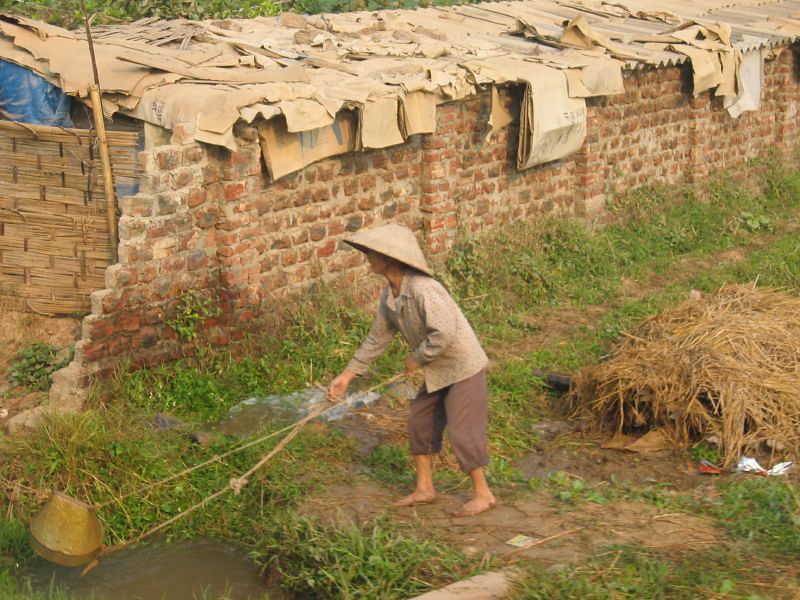 In the rural heartland of the Mekong Delta, severe droughts and the volatility of seasonal harvests create deep economic hardships. These environmental pressures hit countryside communities most acutely, as they must constantly adapt to an increasingly unpredictable climate.
Because of these compounding pressures, it is vital to examine the Mekong Plus approach to poverty reduction in Vietnam and Cambodia. Their model stands apart from traditional charities by prioritizing sustainable, independent community development over temporary aid.
The Mission
In 1994, Bernard Kervyn saw the urgent needs of citizens and farmers in the rural regions of Vietnam. Kervyn called for his friends, all of whom had worked previously in the French NGO ‘Frères des Hommes’ and together they formed Mekong Plus that same year. The NGO began in the tiny commune of Tiên Thành.
Mekong Plus’ mission foremost is to “eliminate poverty.” The staff of the NGO also realized that pouring internationally raised funding into these communities would only make these struggling rural citizens reliant on those distant nations. Thus, it set out to use all funding to build sustainable grassroots-level improvements within rural communities. In order to do this, the organization broke down its core mission into three clear areas: Education, Sustainability and Microcredits.
Mekong Plus Poverty Reduction
Mekong Plus considers education a core mission goal, as according to the NGO, it is the “fundamental basis for sustainable development.” To provide as much as can be, the organization split up this goal into many different sections, such as providing safe hygiene for students or making schools more accessible to children in difficult or outlying areas. They provide schools with equipment like computers, allowing children access to greater learning tools, as well as a means to interact with the larger world. To cater to the needs of students, the organization creates inclusive curricula read to target the students’ varying needs. Mekong Plus’ curricula also offer training in sectors important to the community, such as agricultural schemes, which the organization used to increase food yields by 100% in regions used to famine.
Sustainability
Sustainability is another of Mekong Plus’ core focuses, helping to create cheaper and healthier long-term living strategies. While some of Mekong Plus’ work focuses on hygiene, the NGO has equipped more than 13,000 houses with sanitation facilities. Beyond this, the organization also helps rural communities with upcycling and plastic collection efforts, where the NGO turns old recycling into classroom equipment and furniture. This even covers houses, and last year Mekong Plus built 10 houses entirely out of recycled materials. In recognition of its work promoting sustainable and healthy living, Mekong Plus received the 2021 Energy Globe Award.
Microcredits form one of the organization’s most important initiatives in rural areas. The NGO’s Microcredit scheme provides a system where citizens can take loans as small as 50 euros, providing a lifeline to businesses and families. As of this date, the organization supports 7,500 houses through the NGO’s microcredit system, in the worst-hit regions of famine and drought. The NGO has also managed to raise 35,000 people out of extreme poverty, with an impressive non-repayment rate of 1% by those taking the loans.
The Future
The success of Mekong Plus poverty reduction is important because the NGO provides a model that is not simply a charity; it is a development partner. Its cooperation with communities provides essential, everyday benefits that have lifted thousands in regions on the cusp of ecological disaster. Its model also provides a multi-dimensional means to tackle the issue of extreme poverty, showing that, just like any other crisis, fighting poverty is possible.
– Eli Thomson
Eli is based in Preston, UK and focuses on Good News and Politics for The Borgen Project.
Photo: Flickr
