Renewable Energy in Africa: Startups Driving Sustainable Growth
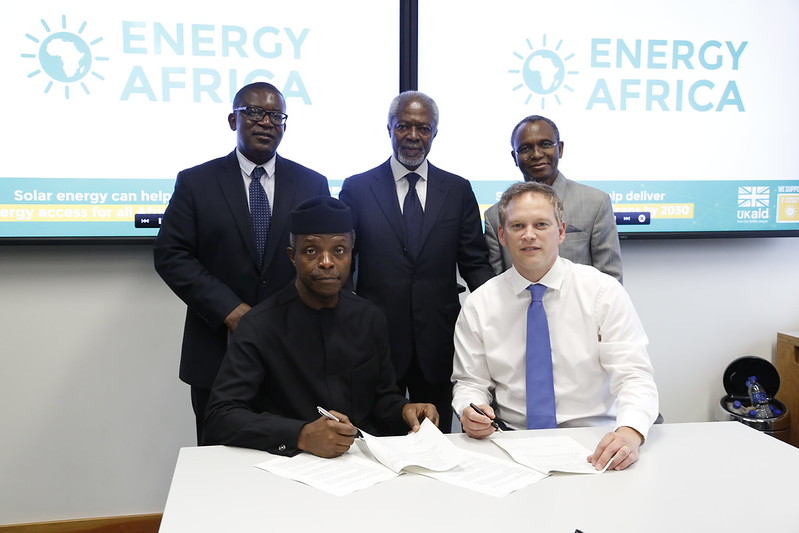 Renewable energy in Africa is transforming markets, communities and the environment as innovative companies expand access to clean, affordable power across the continent. While roughly 600 million Africans still lack access to electricity, particularly in parts of West and Central Africa, a range of startups and business ventures are stepping in with technology-driven solutions that improve lives and create economic opportunities.
The Energy Challenge and Opportunity
Despite Africa’s enormous renewable potential, it holds about 60% of the world’s best solar resources, and the continent has historically received a small share of global clean energy investment. Renewables accounted for around 14% of total energy supply in 2020, and Africa received 2% of global clean energy funding in recent years.
Currently, energy access remains a development priority. Nearly half of the population in sub-Saharan Africa lives without reliable electricity, limiting business growth, health services and education. However, the growth in renewable energy, especially solar, signals a shift toward long-term, sustainable infrastructure across both urban and rural communities.
Startups Powering Progress
Several startups are leading the charge in delivering renewable solutions that expand access to power and stimulate local economies:
- Sun King. Sun King operates a pay-as-you-go solar model that provides clean energy systems to households and small businesses. Its products, including solar lanterns and home kits, have reached millions of users across East Africa, helping households reduce dependence on expensive and polluting kerosene lighting while increasing productivity after dark.
- M-KOPA. M-KOPA has pioneered affordable solar energy through digital micro-payments. Offering flexible payment plans, M-KOPA enables low-income households in countries such as Kenya, Uganda, Nigeria and Ghana to access solar systems without high upfront costs. The company has served millions of households and facilitated broader financial inclusion in underserved regions.
- Bboxx. Bboxx provides pay-as-you-go solar power and smart energy solutions across multiple African countries. Bboxx not only supplies solar equipment but also integrates technologies such as batteries and enabled management systems that help users monitor and pay for energy more efficiently. With operations in more than 10 countries, Bboxx aims to expand its reach in the coming years.
Business, Health and Social Benefits
The spread of renewable energy in Africa is not only an environmental benefit; it is also a business and social solution. Consistent electricity enables small enterprises to scale, increases educational opportunities by providing light for study after dark and powers clinics and refrigeration for vaccines. Solar power investment also creates jobs, from installation technicians to business service providers, boosting local economies and workforce development.
Looking Ahead
Investors are taking notice, with grid and clean energy ventures attracting hundreds of millions in funding in recent years, showing growing confidence in Africa’s renewable energy market. Indeed, with continued innovation and investment, the region is positioned to make renewable energy a cornerstone of sustainable economic growth and climate resilience. Renewable energy in Africa is not just a technical solution; it is reshaping markets, supporting communities and helping build a cleaner future for millions.
– Nishanth Pothapragada
Nishanth is based in London, Ontario, Canada and focuses on Business and Global Health for The Borgen Project.
Photo: Flickr
