The Economic Enticement of WCAH In Tanzania
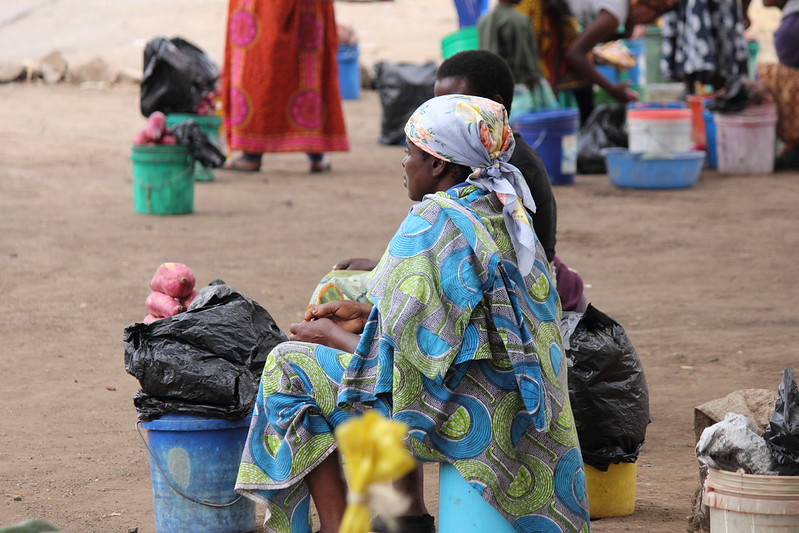 In the United Republic of Tanzania, women, children and adolescent health, often referred to as Women, Children and Adolescent Health (WCAH), has consistently been one of the country’s significant epidemiological burdens. Since 2022, the country has recorded more than 100 pregnancy-related deaths per 100,000 births. Despite this, research has shown that when WCAH in Tanzania is adequately invested in, it can be economically beneficial for the country.
The WCAH Crisis
WCAH was originally a framework proposed during the World Health Organization’s (WHO) global movement, “Every Woman Every Child,” to encompass strategies aimed at investing in the health and rights of women, children and adolescents.
As it stands, WCAH in Tanzania is under strain due to different factors. Tanzania has made strides in reducing mortality among its under-five population. However, due to limited access to health services and a shortage of health care workers with the proper skills to manage the causes of maternal death, the maternal mortality ratio remains high.
Malnutrition in children and adolescents remains an important health issue in Tanzania. UNICEF reports that 30% of children across Tanzania experience childhood stunting due to malnutrition.
WCAH in Tanzania and the Economy
There are still many expected advancements with WCAH in Tanzania and the Tanzanian government, along with many nongovernmental organizations (NGOs), continues efforts to address them. Evidence suggests that investing in WCAH in Tanzania can lead to economic returns.
When women lack access to quality maternal care, it can lead to complications after birth, including a higher likelihood of underweight newborns and miscarriages. In some cases, mothers may be unable to return to work for extended periods. Women in low-income countries such as Tanzania play a key role in the labor market. By investing in appropriate treatment programs, the costs of maternal and newborn health care can be lowered, and absences from the workplace can be reduced, increasing overall productivity.
Invest in the Children, Invest in the Future
NGOs such as Action Against Hunger promote initiatives like the “Equip for In-School Nutrition Services Project,” where children learn to engage in agricultural practices that support improved nutrition. By investing in the nutrition of children and adolescents, they are more likely to stay in school and pursue higher education. They also leave school with greater knowledge about safer pregnancies and healthier children, which can contribute to reducing maternal and newborn deaths.
By collaborating with more organizations to provide maternal health and childhood nutrition support, women and young girls may have greater opportunities for economic participation, contributing to Tanzania’s overall economic growth.
– Bernice Attawia
Bernice Attawia is based in London, UK and focuses on Global Health and Politics for The Borgen Project.
Photo: Flickr
