Why Elderly Poverty in Mozambique Is Rising
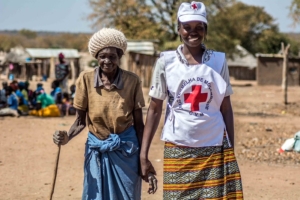 Widespread poverty continues to erode living conditions across Mozambique, leaving older adults among the country’s most vulnerable populations as economic crises and weak social protection systems drive financial insecurity. Here is some information about elderly poverty in Mozambique and information about what is occurring to address it.
Economic Crisis Deepens Elderly Hardship
Economic shocks deepen elderly poverty in Mozambique, as rising food and fuel prices undermine economic stability, strain household budgets and push vulnerable older adults further into financial insecurity. COVID-19, natural disasters, inflation and social instability have compounded elderly poverty in Mozambique. Many older Mozambicans rely on small-scale agriculture, livestock and informal income sources for survival, yet still fall below the poverty line. The loss of job opportunities and the increase in essential goods and social services reduce older adults’ purchasing power, forcing them to cut back on nutritious foods, health care and other basic needs.
In 2015, nearly half of Mozambique’s population– approximately 46.1%–lived below the poverty line. By 2022, this figure had surged to 65%, and recent estimates suggest that by 2025 nearly 75% of Mozambicans live in poverty, with approximately 1.35 million adults aged 60 and older facing severe economic hardship, highlighting the growing scale of elderly poverty in Mozambique.
Weak Social Protection Aggravates Elderly Poverty
Limited economic capacity, along with weaknesses and inefficiencies in Mozambique’s domestic social protection and administrative systems, drives vulnerability among the elderly population.
Although the Basic Social Subsidy Programme for older adults (PSSB-Elderly) in Mozambique improves food security following economic shock, structural and systemic weaknesses in program implementation cause these gains to diminish over time. Uneven distribution of PSSB payments has led to significant regional disparities among older adults across Mozambique. In Gaza, approximately 73% of poor older adults benefit from the program, while coverage remains far lower in poorer provinces such as Nampula and Zambezia, where the program reaches only 39% of elderly individuals.
Despite existing health inequities, inconsistencies in PSSB payments also reduce the program’s effectiveness, leaving many older Mozambicans vulnerable to food insecurity and health problems.
Irregular PSSB payments and program design that incentivizes households to declare additional members can increase instability and uncertainty, potentially worsening living conditions for beneficiaries.
Addressing Poverty and the Health Crisis in Mozambique
In 2021, GiveDirectly began delivering unconditional monthly cash transfers to rural households in Sofala Province to reduce extreme poverty and strengthen household resilience. The program provides direct cash assistance to individuals and families, allowing recipients to decide how best to meet their own needs.
GiveDirectly also aims to improve food security, expand financial inclusion and support long-term recovery. Since 2021, GiveDirectly has expanded its program across multiple districts, including Mogovolas, Nhamatanda and Memba, and launched initiatives focused on climate-smart agriculture and conflict-resilient livelihood in 2024 and 2025.
By 2025, GiveDirectly had implemented five cash transfer programs, delivering more than $20 million in cash transfers and reaching more than 32,000 people across Mozambique. Individuals and households used the cash to secure food, access health care and economic investment.
At the same time, the World Institute for Development Economic Research of the United Nations University recommends strengthening administrative systems, ensuring more equitable PSSB payment coverage among older adults and improving payment consistency to support elderly well-being in Mozambique.
Looking Ahead
Reducing elderly poverty in Mozambique requires sustained investment and financial support to address long-standing economic hardship due to recurrent natural disasters and domestic conflict, along with strengthening the country’s social protection systems to ensure reliable financial security for older adults.
– Yuhan Rong
Yuhan is based in San Diego, CA, USA and focuses on Global Health and Politics for The Borgen Project.
Photo: Flickr
