Westminster Continues Fight Against the Israeli Aid Blockade
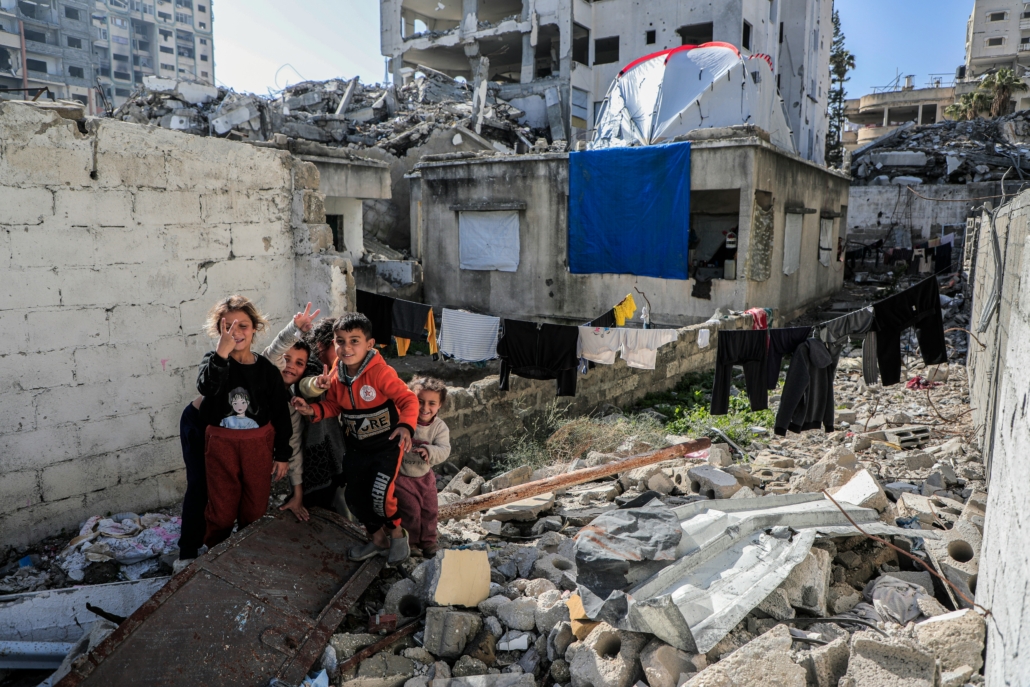 Taking their seats again in the United Kingdom (U.K.) House of Commons after the Christmas recess, MPs from all major parties came together to raise questions and demand answers concerning the U.K.’s contribution to the global post-conflict aid effort in Gaza. Concern has peaked in Westminster as an illegal Israeli aid blockade have coincided with the U.K.’s pledge to reduce the aid budget from 0.5% GNI to 0.3%, heightening anxiety that the ongoing humanitarian crisis is not being sufficiently addressed despite Israel and Hamas, prompted by the U.S., agreeing to a multilateral peace plan three months ago on October 10th.
The vocal backlash comes in response to a series of statements political representatives made in Commons shortly after the officials announced the ceasefire, which gave updates on the current levels of U.K. support and laid out their ambitions to collaborate with the U.N. and other partners in order to meet the conditions of the peace plan.
Original Aid Pledge & Its Success
On October 14th, Baroness Angela Smith assured her peers that an additional £20 million went toward secure clean water and essential sanitation and hygiene products. Secondly, she reminded them that work continues at the two U.K.-constructed hospitals in Gaza that have between them offered treatment to more than 600,000 patients. On top of this, the NHS has received and begun treating a third group of injured Palestinian children whom authorities flew to the U.K.
However, the Parliamentary Under-Secretary for the Foreign, Commonwealth and Development Office (FDCO), Hamish Falconer, spelt a bleaker picture during his address on January 5th just gone.
Half a million people still lack access to sufficient food, including 100,000 who face allegedly “catastrophic conditions.” The British Red Cross have drawn attention to an urgent lack of water, which in turn exacerbates the spread of infectious diseases such as hepatitis. Furthermore, as the height of winter approaches, flooding and storms have halted reconstruction efforts and prompted a rise in cases of hypothermia. Widespread damage to infrastructure has allowed sewage to flow through the streets and has left emergency services without the essential resources needed to deliver effective medical treatment.
The Extent of the Israeli Aid Blockade
Crucially, the Israeli government has blocked vital aid corridors, notably the Rafah crossing, and disaccredited at least 37 well-established NGOs from offering support, including Medecins Sans Frontiers, Caritas Internationalis, ActionAid and the International Rescue Committee (IRC). Observers estimate that 147 trucks enter Gaza every day, which is 103 short of the 250 that the U.N. agreed to. Moreover, there are also reports that the Israeli authorities prohibit essential items such as tent poles, tents and generators, claiming that they pose potential threats. This has resulted in the cruel irony that it is “easier to get cigarettes and luxury goods into Gaza than the basic medicines and shelter.”
Despite this admittance, Falconer tried to offer some reassurance that over the 2025/26 financial year, the U.K. will provide £116 million for humanitarian and other aid, including health care, food, clean water and sanitation, which includes treatment for 800,000 Palestinians through UK-Med. A research briefing released by the Commons claims that the government plans to commit £101 million of this sum to the Occupied Palestinian Territories (OPT). However, this represents a £28 million reduction from the amount the government provided the preceding year.
The Response From Westminster
Reacting against the lack of funding and the pitiful effort to combat the Israeli aid blockade, the consensus plea around the Commons was to stop offering words of condemnation for the belligerents and words of support for the victims, and demonstrate meaningful action.
Rachel Maskell, Labour MP for York Central, was bemused that the U.K. had not yet utilized the international law apparatus available to hold the Israeli government accountable and urged it to dispel the air of “impunity” emanating from the Knesset and IDF.
Attending to the details, a troop of others have called on the government to enjoin the support of the E.U. and their European neighbors and impose sanctions on Israel. “What leverage are [the U.K.] using to force the Israeli Government to reverse this cruel [aid embargo], and when will they work with E.U. allies to bring in much wider sanctions?” demanded Caroline Voaden. Imran Hussein joined in: “When will [Falconer] finally announce proper meaningful action, including ending all arms sales, putting widespread sanctions on Israel in the same way that we have done to Russia for its war crimes in Ukraine.”
MPs were mostly concerned that trade has continued between the U.K. and the illegally obtained settlements in the OPT, despite a motion that 94 MPs supported in May 2025 which outlined that maintaining such trade links was a direct affront to the International Court of Justice and the U.N. General Assembly.
Looking Ahead
As MPs return to Westminster, the gap between the U.K.’s humanitarian commitments and conditions on the ground in Gaza is drawing sharper scrutiny. While Israeli aid blockades remain in place and funding reduced, MPs from across parties have played a crucial role in exposing these shortcomings and pressing the government to act. Their efforts signal a growing determination in Parliament to move beyond rhetoric and push for meaningful measures that uphold international law and address the ongoing humanitarian crisis.
– Jude Parsons
Jude is based in the UK and focuses on Politics for The Borgen Project.
Photo: Unsplash
