How Democracy in Ghana is the Recipe for Economic Growth
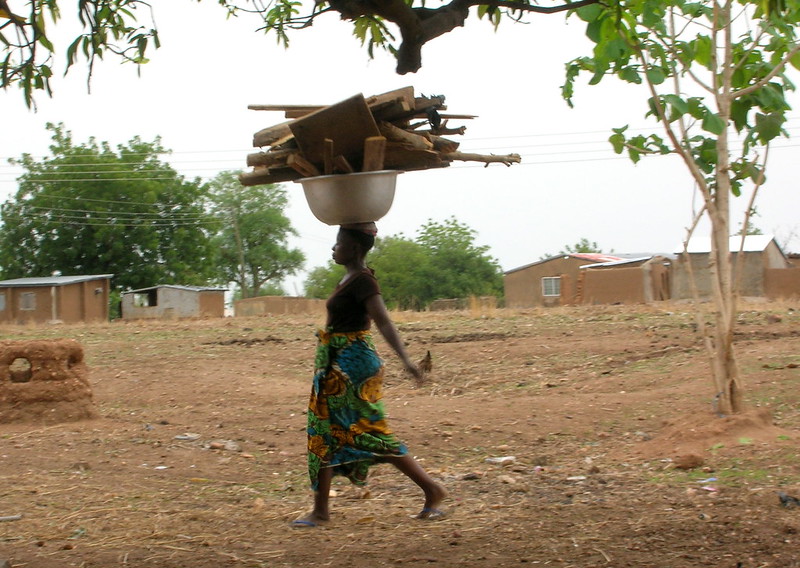 Ghana is demonstrating that stable democratic institutions provide the foundation for sustained economic expansion. The West African nation achieved 7.2% GDP growth in the third quarter of 2024, the highest quarterly expansion in five years, while maintaining its status as one of Africa’s most enduring democracies with over 30 years of uninterrupted democratic governance since 1992.
Democratic Stability Attracts Investment
Ghana’s consistent democratic transitions have created an environment where businesses can plan long-term investments with confidence. The country maintained its 6.30 point democracy score in 2023, ranking sixth regionally and 65th worldwide on the Economist Intelligence Unit’s Democracy Index, significantly outperforming the regional average. This political stability enabled Ghana to attract $331 million in tech sector investment in 2023, with the industry now valued at $2.6 billion.
Freedom House continues to rate Ghana as “Free” with one of the highest scores in sub-Saharan Africa. This strong governance framework has proven crucial for economic recovery, as Ghana successfully completed a $13 billion Eurobond exchange in 2024 and secured an IMF-supported program that helped stabilize the economy after a 2022 crisis.
Agriculture Sector Powers Job Creation
Transparent governance enabled the effective implementation of agricultural programs that are transforming rural economies. The Planting for Food and Jobs Phase Two program, launched in August 2023, represents a comprehensive approach to agricultural modernization across 11 commodity value chains including grains, starchy staples and vegetables.
The agriculture sector expanded by 5.0% in the first half of 2024, employing roughly 75% of the rural population and accounting for 21% of GDP. The Ministry of Food and Agriculture’s 2024 budget exceeded 3.3 billion Ghana cedis, with the government contributing 82% of total budgetary allocation. Between 2017 and 2022, fertilizer application rates increased from eight kilograms per hectare to 25 kilograms per hectare, while certified seed distribution rose from 2,000 metric tons to 36,000 metric tons.
The Ghana Economic Transformation Project has generated 2,438 direct jobs, more than double its 1,000 job target, with 1,071 jobs created for women. Firms supported by this World Bank initiative reported an average 18% increase in gross sales, while women-owned businesses achieved a 12.68% increase.
Technology Sector Drives Innovation
Democratic freedoms and independent judiciary systems have fostered a thriving technology ecosystem. Ghana ranks 15th out of 47 African countries for ICT use in the 2024 ICT Development Index. The digital economy is currently valued at approximately $1 billion and could reach $5 billion by 2030.
The Information and Communication subsector grew 17.9% in the first quarter of 2024, demonstrating the rapid expansion of digital services. Furthermore, Ghana’s tech ecosystem raised an estimated $66 million by the third quarter of 2024, with Fido securing a $30 million Series B funding round. The recently concluded eTransform project established operational infrastructure for the Cyber Security Authority, contributing to Ghana ranking second in Africa in the 2024 Global Cybersecurity Index.
Energy Sector Embraces Renewable Transition
Good governance structures enabled the government to address energy sector challenges while advancing renewable energy goals. In 2024, the Rural Electrification Program connected 276 rural communities to the National Grid, increasing the access rate from 88.95% to 89.03%. Ghana targets reaching 90% electrification by the end of 2025.
The government’s Renewable Energy Master Plan sets a target of 1,363.63 MW of grid connected renewable energy by 2030. Renewable energy capacity stood at close to 1,700 megawatts in 2022, following an increasing trend since 2012. The Energy Transition and Investment Plan announced in September 2023 estimates that Ghana will need more than $550 billion in capital investment to achieve net zero by 2060, with the majority of spending directed to the transport and power sectors.
Democracy and Economic Growth in Ghana
The situation in Ghana illustrates how democracy and democratic institutions create conditions for sustainable economic development. Despite facing a severe macroeconomic crisis in 2022, with debt reaching 92.6% of GDP, Ghana’s democratic framework enabled peaceful implementation of necessary reforms. Indeed, by 2024, growth rebounded to 5.7%, and second quarter 2025 real GDP increased 6.3% year on year, led by services and agriculture sectors.
The December 2024 elections demonstrated democratic resilience, with former President John Dramani Mahama winning 56.4% of the vote in a peaceful transition. This political stability continues to position Ghana as a model for how democracy serves as a recipe for economic growth across West Africa.
– Jawad Noori
Jawad is based in London, UK and focuses on Technology and Politics for The Borgen Project.
Photo: Flickr
