Building Opportunity: Agriculture and Education in Burundi
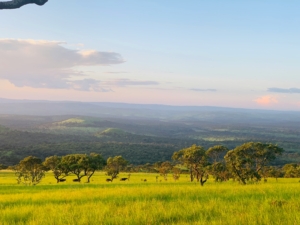 In the heart of East Africa lies Burundi, a small, landlocked nation bordered by Rwanda, Tanzania and the Democratic Republic of Congo. Beneath its green hills and tranquil lakes, however, Burundi faces persistent poverty driven by decades of instability, underdeveloped infrastructure and dependence on agriculture. While the country has made progress since its civil conflicts ended, many Burundian families continue to struggle to meet their daily needs.
The Borgen Project spoke with Francine Nahimana, a 25-year-old woman from rural Gitega, to learn more about how these challenges shape the lives of ordinary citizens and what solutions are helping Burundians rise above hardship. “People here are hardworking, but without opportunities and support, it is difficult to move forward,” Nahimana said.
Historical Impact
Burundi’s history of ethnic and political conflict has left deep social and economic scars. During years of unrest, schools and hospitals closed, families fled their land and many professionals left the country in search of stability. These years disrupted entire generations.
According to UNICEF, conflict forced thousands of children out of school, leading to widespread illiteracy and unemployment in later years. Many displaced families lost farmland, the backbone of Burundi’s economy and still face disputes over land ownership today. Nahimana explained that her community is still rebuilding: “Some people my age never had the chance to learn to read or write. That affects jobs today; many adults are still trying to catch up.”
Agricultural Impact
According to the International Fund for Agricultural Development (IFAD), roughly 80% of Burundians depend on agriculture for their livelihoods. Yet recurring droughts, soil erosion and limited access to modern tools continue to reduce yields and income. In rural Gitega, most families tend small plots of maize, beans or cassava.
Nahimana said that when rains fail, families cut back to one meal a day and ration food to children first. For many households, farming remains a matter of survival rather than a source of profit. The World Food Programme (WFP) estimates that more than half of Burundians face chronic food insecurity, highlighting the connection between environmental vulnerability and poverty.
Efforts to improve irrigation systems and promote climate-resilient crops have begun in parts of the country, offering hope that communities can protect both livelihoods and nutrition in the coming years.
Education in Burundi
Education in Burundi is both a challenge and a solution to poverty. According to UNESCO, while primary enrollment rates have increased, completion rates remain low, especially for girls. Families often struggle to afford school uniforms, materials or the long commute to secondary schools.
Nahimana recalled walking nearly an hour each day to reach class. “My parents believed girls should be educated, but many of my friends left school early to help at home or marry young,” she said. The lack of consistent schooling limits access to formal employment, leaving many young people dependent on subsistence farming.
Expanding access to education and vocational training in Burundi could empower citizens to pursue alternative livelihoods and break cycles of poverty.
Health Impact
Health care in Burundi remains fragile, especially in rural areas, where clinics are understaffed and medical supplies are scarce. For low-income families, medical costs can be devastating. When illness strikes, adults often lose workdays and children miss school, creating new obstacles to economic stability.
Nahimana said that even minor illnesses can send families into debt: “If someone gets sick, we borrow money to buy medicine and then the next month we can’t buy fertilizer or seeds.” Expanding community clinics and enhancing maternal and child health programs could prevent minor health issues from escalating into cycles of poverty.
Youth and Governance Impact
Burundi’s population is predominantly young; according to the United Nations Population Fund (UNFPA), more than 60% of the population is under the age of 25. This generation holds the potential to transform the country if provided with stable jobs and inclusive governance.
After years of instability, trust in institutions is slowly returning. National peacebuilding efforts, supported by the United Nations Peacebuilding Fund, aim to strengthen transparency and civic participation. Nahimana believes young people are ready to lead: “We are not defined by poverty, we are defined by perseverance. With education and opportunity, we can create a better future.”
Future Impact
Burundi’s challenges remain immense, but progress is possible. Investments in sustainable agriculture, affordable health care and education, particularly for girls, could significantly reduce poverty over the next decade. The World Bank and the United Nations Development Programme (UNDP) continue to partner with Burundi to improve rural infrastructure, access to credit and food security.
These long-term projects, paired with community-level resilience, aim to ensure that economic growth reaches every hill and valley. As Nahimana’s story shows, hope endures in Burundi’s hills. Each classroom that stays open, each seed that survives a dry season and each young woman who completes her education brings the nation one step closer to lasting prosperity.
– Katie Williams
Katie is based in the United Kingdom and focuses on Global Health for The Borgen Project.
Photo: Unsplash
