How Ethiopian Donkey Libraries are Advancing Education
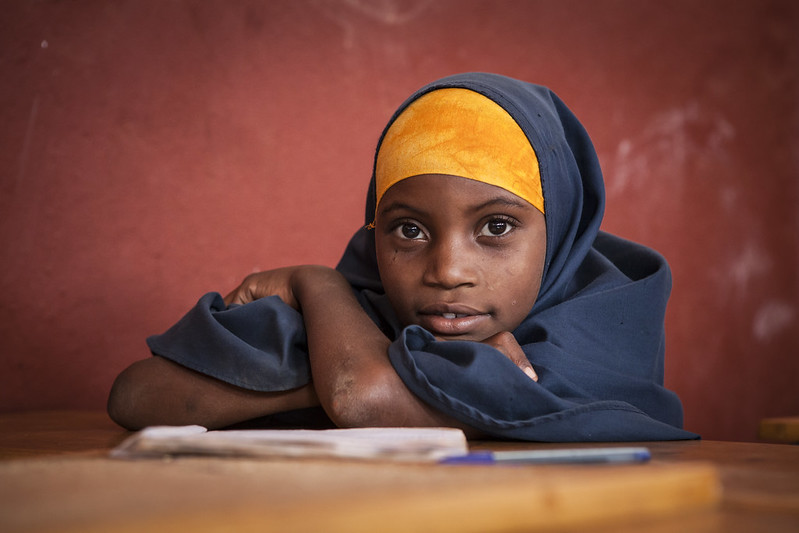 In Ethiopia, around 90% of children cannot read and comprehend an age-appropriate text by the age of 10. Troublingly, 89% of children do not achieve the Minimum Proficiency Level (MPL) by the end of their school careers. These failures stem from many factors, such as low enrollment in schools, subpar teacher training and limited financial resources. However, one of the most prevalent issues plaguing the Ethiopian school system is limited access to schoolbooks and learning materials. In response, a range of creative initiatives have emerged, including Ethiopian Donkey Libraries, which deliver reading materials to the country’s most isolated schools and villages.
Limited Access to Resources
This lack of access to books has a profound impact on education, contributing to the country’s adult literacy rate of just 52%. In many schools, students are forced to share textbooks—sometimes one copy among several pupils—which restricts their ability to study independently and freely, while also reinforcing inequality between urban and rural areas. According to reports, only one in five children in rural regions have books at home beyond their school textbooks, and many schools lack functioning libraries or sufficient classroom resources. This has been described as “learning poverty,” and—like any form of poverty—it carries far-reaching consequences that deeply impact Ethiopia’s sustainable development.
Donkey Libraries
One of the most striking initiatives combating child illiteracy is the Ethiopian Donkey Libraries. Set up by Yohannes Gebregiorgis in 2005 as part of the Together We Learn Foundation, this project consists of a donkey and cart loaded with a selection of books, traveling through remote or rural areas of Ethiopia that lack resources. Each donkey library is managed by a trained “donkey librarian,” who leads reading sessions, helps children select books and lends them to take home. Outfitted with book shelving and stools for reading sessions, storytelling and other literacy-boosting activities, the cart functions as an entirely self-sufficient and easily transportable library.
Scalability
This project aims to reduce access barriers, such as distance, transportation and cost, so that all children have a fair and equal education. The use of a donkey, or horse cart, reflects rural transportation realities—where roads are often poor and ill-suited to motor vehicles—making it a culturally appropriate and low-tech solution to the country’s literacy challenges. This supports both sustainability and scalability, giving the program potential to reach several rural schools across Ethiopia over time.
The foundation visits 13 rural elementary schools each year, supporting about 7,000 students aged 7 to 15, and has shipped tens of thousands of books across Ethiopia. Since its creation, the Donkey Libraries initiative has received sponsorship from Ethiopia Reads and the Rotary Club, enabling expansion and continued success across the country.
A New Joy for Learning
The operation of education is being revolutionized. This innovative and engaging form of learning transforms reading into an exciting activity, encouraging children to explore stories and textbooks for both pleasure and skill. Ethiopian Donkey Libraries stock a range of fiction and nonfiction books, both new and secondhand, in local languages such as Amharic and Tigrinya, as well as in English. This allows children to foster a love of reading from a young age while acquiring valuable multilingual skills.
Real Improvements
By beginning the journey to literacy early, children gain critical thinking skills that set them up for fulfilling lives and promising careers. The initiative not only benefits individuals but also strengthens the human capital and development of the country as a whole.
Students in schools that utilize Ethiopian Donkey Libraries improved their English literacy score from 5% to 38% over one year, demonstrating the tangible success of the project in changing children’s futures. Within just one month, 708 students—both male and female—visited a donkey library, showing strong commitment from Ethiopian organizations to bridge the educational gap between urban and remote children.
Looking Ahead
By improving learning access among rural children, often from disadvantaged households, the project contributes to long-term social and economic mobility, using education as a key lever out of poverty.
– Emily Wooster
Emily is based in Birmingham, UK and focuses on Good News and Global Health for The Borgen Project.
Photo: Flickr