Child Marriage in Eritrea
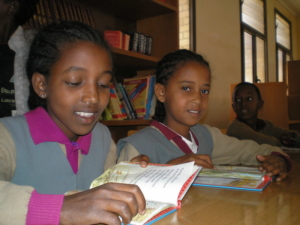 Child marriage disproportionately affects the lives of young girls in Eritrea, as an estimated 41% of girls are married before the age of 18 compared to 2% of boys, according to the most recent government data from 2010. Many recognize child marriage as a violation of human rights, with the Universal Declaration of Human Rights stating that consent to marriage must be ‘free and full’ and cannot be so when one of the parties is below adult age.
Eritrea revised its Marriage Law in 1991 to make 18 the minimum age for marriage, however, a 2025 Human Rights Watch report reported that child marriage remains prevalent despite this law. This is due to a lack of enforcement, as well as customary laws and legal exceptions. For example, 16-year-old girls can marry if they are pregnant or have already given birth.
Causes of High Rates of Child Marriage
The Girls Not Brides organization states that gender inequality is the driving factor behind child marriage in Eritrea, in addition to poverty, and a lack of opportunities for education or financial independence for girls. These factors are worse in rural areas where the rate of child marriage is significantly higher, 55.2% compared to 20.4% in urban areas. There is social and financial pressure on girls to abandon their studies to perform domestic or agricultural labor and enter marriage to relieve their families of financial burden.
Addressing the Problem
At the 2019 Nairobi Summit Eritrea committed to end all forms of violence against women and girls, including child marriage by 2030, committing to provide “access for all adolescents and youth, especially girls, to comprehensive and age-responsive information, education and adolescent-friendly comprehensive, quality and timely services to be able to make free and informed decisions and choices about their sexuality and reproductive lives.”
International aid can also help to end child marriage by reducing risk factors like poverty and lack of access to health care and education through targeted programs and partnerships. Organizations such as UNICEF and UNFPA work in Eritrea to protect those at risk of child marriage. The UNFPA collaborates with the Ministry of Health to strengthen the national health system and expand access to health care, particularly for underserved rural populations. UNFPA also work with the National Union of Eritrean Women to support legislation against underage marriage and FGM.
The Current Status of the Issue
Due to a lack of recent data from the government on child marriage rates, it is difficult to know how close Eritrea is to achieving the goal of eradicating child marriage by 2030. It is important that regulatory bodies get accurate and recent data from the government to address the issue and assess the progress that has occurred. International support is essential to improve access to education and provide resources to impoverished rural communities to alleviate financial pressures that push girls out of education and into marriage. Increased opportunities combined with stricter enforcement of the minimum legal age for marriage will help girls in Eritrea to live childhoods free from forced marriage.
– Nieve Dowling
Nieve is based in Bristol, UK and focuses on Good News and Politics for The Borgen Project.
Photo: Flickr
