Updates on SDG 5 in Argentina
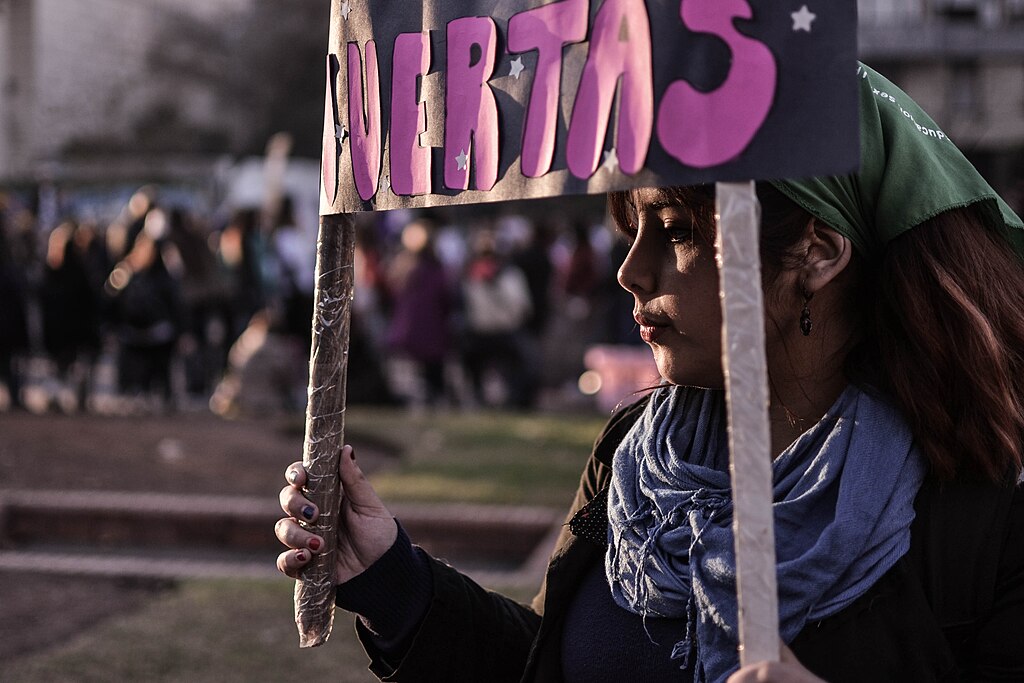 Argentina has made significant progress in advancing gender equality, and according to the Sustainable Development Report, it is one of the few countries, not just in Latin America, but globally, that is on track to achieve SDG 5 by 2030. Argentina has implemented “100% of the legal frameworks under the SDG that promote, enforce and monitor gender equality.” This article dives into updates on SDG 5 in Argentina.
Sustainable Development Goal 5
In 2015, the Sustainable Development Goals (SDGs) replaced the Millennium Development Goals, aiming to transform the world. As part of the 2030 Agenda for Sustainable Development, all United Nations member states adopted the SDGs, which comprise 17 goals and 169 targets aimed at achieving development by 2030.
The fifth goal, or SDG ,5 aims to achieve gender equality and empower all women and girls. Its targets include ending all forms of discrimination, violence and harmful practices against women, among others. It also aims to ensure women’s equal representation in leadership at all levels of different spheres of life.
SDG 5 Progress in Argentina
The following section highlights recent updates on SDG 5 in Argentina, based on certain indicators of the goal. Among the indicators that the goal uses to measure progress, one focuses on the labor force participation of women by evaluating the ratio of female-to-male labor force participation. As of 2024, the rate was 73.73%, an increase from 67.59% in 2000, representing a slow but sustained rise.
Another indicator, measuring the ratio of the mean years of education that women and men aged 25 and older received, reached a peak of 104.92% in 2021. With relation to this indicator, the country has remained predominantly consistent over the last two decades, routinely surpassing the intended target of 100, demonstrating that, on average, women receive more years of education.
Meanwhile, a third indicator has shown a drastic improvement from the turn of the century. From holding less than 30% of seats in National Parliaments, the country, at its best, in 2024, witnessed nearly 45% of women leaders. There has been a slight dip in 2025, but so far it seems to be on track to achieve 50%.
Furthermore, the vulnerability of female employment in Argentina has also improved since 1991. As of 2023, the rates were 20.6% among women and 23.8% among men. In both cases, it is lower than the average rate in Latin America and the Caribbean. Lower vulnerable employment rates also have a relatively positive impact on poverty in the country, given that workers in vulnerable employment are more likely to fall into poverty.
Areas for Continued Growth
While Argentina has made notable progress in achieving SDG 5, certain areas require continued work to address necessary gaps. One such aspect that remains a challenge is physical and/or sexual violence. In 2018, among women aged 15-49 years, 4.5% reported that they had experienced physical and/or sexual violence by a current or former intimate partner in the previous 12 months.
With respect to labor, men spent 9.2% of their time on unpaid care and domestic work, while women and girls aged 15 and above spent more than 20%. The adolescent birth rate per 1,000 women aged 15-19 also rose to 0.9 in 2021. Though not a concerning figure, it was a slight increase from 0.8 in 2020.
Additionally, Argentina is working to close existing gender data gaps to fulfil its SDG 5-related commitments. A key area where data gaps exist is gender and poverty. Given that the female poverty rate is higher than the male poverty rate globally, this data could have a significant impact on empowering women and alleviating poverty in Argentina.
UN Women’s Initiative
Nonetheless, various initiatives have been and continue to be put in place to overcome these challenges. One such example is the Connected to the Future: The Potential of Digital Training to Accelerate Equality initiative, which U.N. Women launched in collaboration with Nokia aimed to bridge the digital divide. This multisector collaboration aims to enhance women’s access to employment in key sectors and to promote entrepreneurship through training and the development of local networks in Argentina.
As a part of the initiative, 80 women from across 52 municipalities in Puntos Mujer participated in the training surrounding cybersecurity, artificial intelligence, personal finance and digital violence, among others. The program also supports the U.N. Women Strategic Plan 2022-2025, particularly the digital inclusion strategy for Latin America and the Caribbean and encourages women’s economic empowerment in digital spaces, which is a feature critical for sustainable economic development in communities.
The Women’s Forum for Equal Opportunities
The citizens are also empowered, and they, too, are increasingly championing women’s rights throughout the country. For instance, indigenous and feminist women’s groups throughout Argentina are campaigning to stop racist sexual violence and femicide. The Women’s Forum for Equal Opportunities is one such organization. It has established women-led community networks by training local leaders on gender issues to assist survivors of violence. This has played a significant role in supporting survivors from regions with no access to telephone lines or the internet.
Looking Ahead
While Argentina faces some challenges in its path to achieving SDG 5, the programs and initiatives being implemented are working actively to bridge the gap by the end of the decade.
– Priya Doshi
Priya is based in Edinburgh, Scotland and focuses on Good News and Politics for The Borgen Project.
Photo: Wikimedia Commons
