How Catholic Organizations Work To Help Fight Poverty in Nigeria
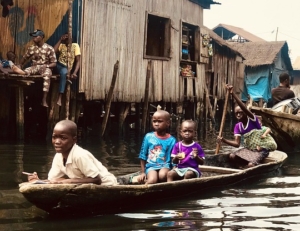 Nigeria is one of the fastest-growing African countries with a rising population of more than 220 million people. It also has one of the world’s largest young populations. Nigeria has a large Catholic population of more than 35 million people.
Nigeria is a country that is rich with natural resources such as crude petroleum, natural gas, gold and fertilizers. However, while it may be the largest growing African nation, more than half of the population lives in poverty. The rural parts of Nigeria are the most affected.
More than 31 million people are affected by food insecurity in Nigeria. Diseases such as malaria and HIV/AIDS have been widespread in the country. Nigeria is ranked fourth in the world for the highest cases of HIV/AIDS, with more than two million cases. The country has more than 68 million cases of malaria.
Catholic organizations such as Catholic Relief Services (CRS) and the Catholic Caritas Foundations of Nigeria (CCFN) work alongside the Catholic Church of Nigeria and international organizations to quell poverty. They continue adding resources to improve the livelihood of Nigerians and bring down cases of HIV/AIDS and malaria.
Nigeria’s Impoverished Population
Nigeria faces a longstanding issue with poverty. The widespread poverty problems derive from government corruption, food insecurity, lack of education, poor access to health care, displacement, homicides, economic instability and job insecurity. The World Bank reported that, “more than half of Nigerians (52.5%) are estimated to live in poverty in 2025.”
The youngest population, ranging from 14 to 65 years old, makes up more than 70% of Nigerians experiencing poverty. Many Nigerians are living below the poverty line on $2.15. In Nigeria and abroad, nonprofit organizations, religious groups and advocacy groups work to support Nigerians experiencing poverty and other socioeconomic issues.
Catholic Relief Services
CRS is a global humanitarian agency of the Catholic Church in the U.S., assisting vulnerable people worldwide. Throughout Africa, CRS focuses on three important areas: disaster relief, health and agriculture. Since 1960, the Catholic organization has worked alongside local Nigerian advocacy groups, faith-based communities and institutions to reduce poverty, viral diseases and instability in almost all 36 states.
CRS has been active in helping to provide stability and improve living conditions for Nigerians in rural regions. CRS created the Stabilization and Reconciliation in the Lake Chad Region (STaR) Project. The project aims to improve access to basic human resources such as water, health, markets, education and other important needs for more than 59,000 Nigerians throughout 90 communities.
The project would create economic opportunities and expand the people’s livelihood within the region. This program, funded by the KFW Development Bank, was created to help ” recover and build the resilience of vulnerable populations,” impacted by the Lake Chad Basin’s climate issues and living conditions. Vulnerable Nigerians, such as women, children and refugees, will receive the most aid from this project.
CRS continues to strengthen Nigeria’s health system by supporting programs such as the Global Fund Malaria Grant. This global public–private partnership works to reduce HIV/AIDS, malaria and tuberculosis (TB) worldwide. In Nigeria, the Catholic organization distributed “[more than] 75 million long-lasting insecticidal nets” to keep families, children and pregnant women secure and prevent contamination from mosquitoes with malaria. CRS has long supported malaria prevention methods and ways to reduce the disease in Nigeria’s households, communities, hospitals and clinics.
Catholic Caritas Foundation of Nigeria
CCFN is a specialized agency formed by the Catholic Bishops’ Conference of Nigeria (CBCN) in September 2010. Its role is to assist with humanitarian aid and development in rural regions of Nigeria. CCFN collaborates with more than 300 faith-based organizations around Nigeria. This Catholic organization partners alongside CRS, working toward the same goals and projects to assist Nigerians in meeting their basic needs. The CCFN is part of the branch of Caritas Africa, which has branches throughout the continent.
CCFN started a program called the Management Information Project in March 2025. This project is funded by the Nigerian Humanitarian Fund and the United Nations Office for the Coordination of Humanitarian Affairs (UNOCHA). The project aims to gather information on management services to support rural areas that need aid in the Nigerian states of Borno, Yobe and Adamawa. The project targets food insecurity, water, sanitation, hygiene (WASH) and nutrition services.
– Gene A. Lambey, Jr.
Gene is based in Washington, DC, USA and focuses on Good News and Global Health for The Borgen Project.
Photo: Pixabay
