Food and Electricity: Cuban Mothers’ Activism Against Poverty
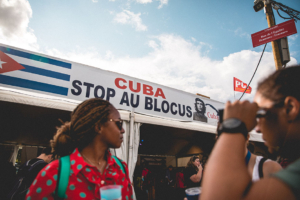 “Food and electricity” has been the rallying cry for Cuban citizens since the 2021 Cuban protests. In July 2021, Cubans took to the streets in record numbers to protest the COVID-19 response, scarcity of food and medicines and governmental restrictions on their rights. Continuing blackouts due to the energy sector’s collapse fueled protests. As of early 2025, only six of the country’s 15 oil-powered plants remained functional.
The blackouts paralyzed businesses, disrupted schools and caused mass spoilage of household food. According to reports by civil society organizations, around 290 protests driven by the National Electric Power System collapse took place between June 2024 and June 2025. Other factors have spurred the demonstrations, such as the decades-long U.S. embargo, which began in 1958 and has since tightened under the Trump administration; currency reform, which led to soaring inflation; and the COVID-19 pandemic.
These protests have been marked with resilience, especially by Cuban mothers who have been leading the charge. Cuban mothers’ activism has been the loudest, filling the void in the protest movement.
Mothers on the Front Line
Forced to bear the weight of being both caregivers and wage-owners, mothers in Cuba, especially single mothers, bear the brunt of the economic hardships disproportionately. Becoming the main opposition to the Cuban regime, Cuban matriarchs are demanding basic needs such as food, water, electricity, health care and housing. Worried about how the living and economic conditions may impact the lives of their children, Cuban mothers’ activism has brought these issues to the fore.
One poignant example of mothers spearheading the protest movement is 33-year-old Amelia Calzadilla. In a social media video, Calzadilla asked local authorities to run a gas line to her block, one of the few areas in Havana that does not have government-provided gas service. Since her initial video, she began sharing more openly antigovernment stances about Cuba’s deteriorating living conditions. Juggling activism, a paid occupation and caring for three children, Calzadilla represents the multifaceted pressures Cuban women are facing.
In more recent protests, mothers who were unable to feed their children have blocked highways. During the country’s frequent blackouts, matriarchs are protesting through the streets, banging pots and pans until the electricity resumes. Local media reports that more than 30 of these protests occurred in 2023. Women have also been the most vocal in denouncing the government’s detention of at least 45 minors for their participation in the 2021 protests. They have called out children being detained and interrogated without the presence of adults.
Moving Forward
Cuban mothers’ activism has become a formidable force, confronting social and economic issues while they shoulder the weight of being a matriarch. Their feat is all the more monumental considering the danger of detention that protestors face.
– Libby Foxwell
Libby is based in Sherborne, Dorset, UK and focuses on Politics for The Borgen Project.
Photo: Wikimedia Commons
