Drones in Nepal Delivering Hope via Medical Supplies
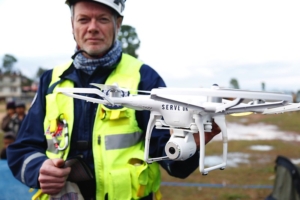
Nepal’s mountainous terrain and fragile road network create severe challenges for medical access. In Dudhauli Municipality’s Ward 12, residents face hour-long drives on rocky roads prone to landslides and flooding during the monsoon season, often cutting them off from urgent care. In such regions, delays in medical delivery can be the difference between life and death. That is why medical drones in Nepal are vital to local communities.
Amma: The Drone Project Bringing Medicine to Villages
In response, a collaboration between Storming Universe, Kathmandu University and partners in Portugal is pioneering a new solution. The project, called Amma, meaning “mother” in Nepali, focuses on using drones to deliver life-saving supplies such as blood and essential medicines directly to isolated villages.
A recent test flight transported supplies from Sirthauli Hospital to Ward 12, demonstrating drones’ potential to bypass treacherous terrain. Locals and medical teams expressed optimism, seeing medical drones in Nepal as a reliable and faster alternative to traditional transport methods.
Partnerships Driving Innovation
The Amma project benefits from wide-ranging support. Turkish Airlines has provided transportation backing, while Madhuka Drone Services, a Nepali company specializing in drone services, is exploring integrating the technology into regular operations. With local adoption, the initiative could scale nationwide, offering thousands of communities a safer path to health care.
This effort builds on earlier partnerships with groups like Options Consultancy Services and Nepal Flying Labs, which worked with the Government of Nepal to test drones for delivering tuberculosis samples and COVID-19 vaccines. These trials highlighted the role of medical drones in Nepal in addressing health system shortages and bringing “last mile” health care to underserved populations.
Global Context and Local Solutions
Globally, drones are gaining recognition for their role in health care logistics. From carrying sputum samples in rural India to delivering emergency medicines in sub-Saharan Africa, drone technology is transforming access to essential care. In Nepal, 80% of the population lives in rural areas, with many communities several hours away from hospitals. Drones could play a vital role in reducing preventable deaths.
Moreover, local innovators such as Prokura Innovations, supported by UNICEF’s Innovation Fund, build low-cost drones domestically, ensuring technology is adapted to Nepal’s unique terrain and needs. These efforts emphasise sustainability, training local operators and embedding services within national health systems.
A Beacon of Hope
Though challenges such as limited payload capacity and regulatory hurdles remain, the Amma project represents a hopeful shift in Nepal’s health care delivery. By harnessing drone technology, isolated communities gain faster medical care and renewed trust in the possibility of timely health care.
As Amma and similar initiatives expand, medical drones in Nepal carrying blood, vaccines and medicines could soon become common across the country’s skies. Ultimately, they could offer lifelines of hope and survival.
– Robert Darke
Robert is based in London, UK and focuses on Technology and Solutions for The Borgen Project.
Photo: Flickr
