Addressing Child Marriage in Guatemala
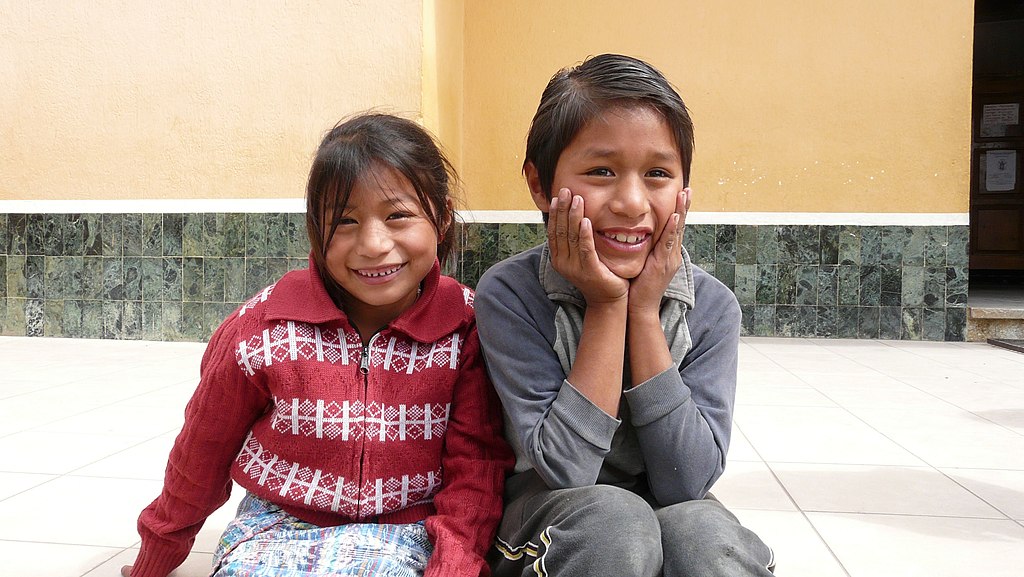 Child marriage in Guatemala is a serious issue that has devastating repercussions for young girls. Education is no longer seen as a priority, so often girls are forced to leave school early. Without adequate support or oversight, many face mental, physical and sexual abuse. Their underdeveloped bodies, combined with a reliance on homebirths, leave both young mothers and their infants at a heightened risk of maternal and infant mortality. Reducing and ultimately eradicating child marriage is therefore a crucial step in safeguarding girls’ futures.
Thankfully, Guatemala banned child marriage in 2017. This legislation and the continued work of both global and local organizations have already helped protect many vulnerable girls. However, despite the recent ban, Girls not Brides found that, as of 2022, 30% of young girls in Guatemala are still victims of child marriage. There are multiple and complex reasons for the continuation of such a damaging practice.
Key Factors Behind the Persistence of Child Marriage in Guatemala
- Rural Areas Make Monitoring Difficult: There are numerous tight-knit communities in Guatemala that are extremely rural and so informally govern themselves. Many communities still support child marriage; to avoid monitoring and legal consequences, they hold unofficial unions. The indigenous Maya community, who often live in rural areas, experience higher rates of child marriage than the rest of the country.
- COVID-19: Governments across the world struggled to monitor vulnerable children during the COVID-19 pandemic. This led to a worldwide increase of 10 million additional girls susceptible to child marriage.
- Poverty: In 2020, 68% of Guatemalan children were living in poverty. Many families use dowries to ease their situation, while at the same time reducing the number of mouths to feed. Some girls, desperate to escape their destitute home lives, choose to marry while still young. They hope marriage will offer a more stable and secure life, unaware of just how vulnerable it can leave them.
- Teenage Pregnancies: Due to lack of sex education, pregnancy among adolescent Guatemalans is fairly common. Between January 2020 and December 2020, there were 99,656 recorded teenage pregnancies in Guatemala. Many families hold traditional values, so they believe their daughters should be married immediately if they are pregnant. This often overlooks the circumstances under which the pregnancy occurred, placing young survivors of rape in particularly harmful and unjust situations.
Efforts to Eradicate Child Marriage in Guatemala
Although there are still many issues that need to be addressed when tackling child marriage in Guatemala, the country is heading in the right direction. UN Women, UNFPA and UNICEF are working to reduce the number of young Guatemalan brides. They are implementing a Regional Program in the Latin American and Caribbean region. These organizations are currently focusing on Colombia, Mexico, Guatemala, El Salvador and the Dominican Republic. They aim to raise awareness of child marriage and its harmful effects on young people, while also empowering young girls and providing opportunities for them to build a better future for themselves.
There is also the Women’s Justice Initiative (WJI), a Guatemalan-based organization founded in 2011, that is dedicated to combating gender inequality and ending violence against women and girls, especially in rural communities. They run multiple programs to help Guatemalan women and girls. These include:
- Legal Services: They offer free, legal support to women and girls in a variety of vulnerable positions such as domestic abuse, child marriage and divorce.
- The Women’s Rights Education Program: It is a three-month program educating women on topics related to women’s issues. This includes property rights and domestic and sexual violence.
- The Adolescent Girls Program: The Adolescent Girls Program is a six month course to teach girls about their rights, female empowerment and to provide them with leadership skills so that they have more opportunities open to them in the future.
- The Community Advocates Program: This program provides Maya women with the knowledge and skills to transform their community firsthand. They begin by taking part in a two-year training program, where they deepen their understanding of women’s rights and develop leadership skills. With this knowledge, they go on to support, educate and guide other Guatemalan women and girls.
Looking Ahead
The WJI has had an astounding impact in helping to reduce child marriage in Guatemala. While larger organizations, such as the U.N., can influence the country (and region) as a whole, smaller ones like WJI work face-to-face in remote and often overlooked communities. By addressing child marriage in these hidden, hard-to-track areas, they gradually dismantle the problem at its roots. For many Maya women in rural areas, this organization is the only way for them to seek support.
With varied and determined organizations at the forefront of tackling women’s and girls’ issues in Guatemala, child marriage is slowly but steadily declining. It is the work of individuals that can and will bring an end to child marriage in Guatemala.
Until Guatemala completely eradicates child marriage, the fight continues. WJI makes a meaningful difference in the lives of vulnerable women and girls.
– Lysia Wright
Lysia is based in Derby, UK and focuses on Global Health for The Borgen Project.
Photo: Wikimedia Commons
