Mental Health in the Comoros
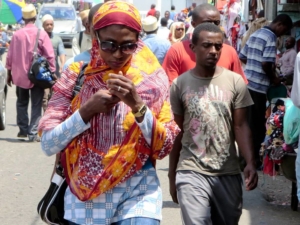 The Comoros, an archipelago of three islands in the Indian Ocean located between Madagascar and the southeast African mainland, is facing one of the world’s most silent mental health crises. With only one psychiatrist for 800,000 people, no national mental health strategy and 45% of the population living below the poverty line, access to psychiatric care is minimal. In addition, mental health issues remain heavily stigmatized within Comorian society, often being attributed to supernatural causes, such as jinn (demon) possession or witchcraft.
Lack of Mental Health Policy
The Comorian government has yet to adopt a mental health strategy, legislation or a specific budget for mental health care. This policy vacuum reflects decades of political instability and military coups since the country’s independence in 1975, compounded by pervasive poverty that besets the archipelago. Without a national plan, there is no framework to develop services, train providers or secure international funding for scalable solutions.
Poverty and Mental Health in the Comoros
Mental health care is too costly for most Comorian families. Without insurance systems or government-funded services, families often exhaust their savings on traditional healing or resort to physically restraining relatives with severe symptoms. The economic impact extends beyond individual families, as untreated mental illness reduces productivity, increases school dropout rates and reproduces poverty.
In 2018, the country’s Human Capital Index was only 0.40, suggesting that children born in 2018 will only achieve 40% of their productive potential, a figure partly influenced by preventable health issues, including mental disorders.
Cultural Beliefs and Stigma
Mental illness in Comoros is predominantly attributed to supernatural causes. As a result, many people first seek treatment from marabouts, who use Quranic verses, herbal remedies and amulets. These practices often delay medical treatment and can worsen psychiatric conditions. Women face particular obstacles, as cultural stigmatization often prevents them from seeking help or freely deciding about their treatment. Older people are also vulnerable, with no geriatric mental health support available.
However, organizations like Grand Challenges Canada (GCC) have supported mental health innovation in the Union of Comoros by training community health workers and facilitating psychiatric consultations via mobile phones. To reinforce monitoring and public awareness, the program also deploys tablets for weekly reporting and mobile apps to inform local communities about mental health issues.
Furthermore, youth-led initiatives like the Al Shara Youth Comoros “Moroni hub” based in Moroni, provide safe places for the youth to discuss mental health, challenge misconceptions and empower those affected by mental health issues.
Innoventive Mental Health Alternatives
Several other promising initiatives have emerged in recent years. In 2020, a telepsychiatry project was launched, with three key objectives. First, it helps raise awareness about mental health in Comoros, working to reduce misconceptions and stigma surrounding mental health disorders. Moreover, it also trains health care practitioners to manage conditions, such as depression, schizophrenia and bipolar disorder.
Finally, the project facilitates tele-consultations through Skype/Teams, connecting people and health care providers in remote areas with the country’s only psychiatrist and consultants from Madagascar and France. These tele-consultations provide diagnostic guidance and treatment recommendations, helping to mitigate the scarcity of psychiatric specialists.
E-education platforms are also slowly expanding, providing ongoing psychiatric and psychological training for health care workers. Targeted economic investment, especially from the U.S., could help develop these pivotal initiatives and bring mental health care to thousands of Comorians who currently suffer in silence. Addressing mental health care in Comoros requires sustained efforts, cultural sensitivity and international support to build more resilient communities.
– Juliette Delbarre
Juliette is based in London, UK and focuses on Global Health and Politics for The Borgen Project.
Photo: Flickr
