Tourism in Developing Nations: Which Countries Are Advancing?
 Tourism has long been a vital source of income for many nations, supporting infrastructure, employment and development. Tourism provides a unique opportunity for developing nations facing poverty or economic instability to diversify income sources. As global travel rebounds following the pandemic, countries like Georgia, Mozambique, Kenya and Sudan stand at a crossroads, each with untapped potential and lessons from other nations where tourism has greatly benefited the economy.
Georgia: A Model of Strategic Diversification
Nestled between Europe and Asia, Georgia has emerged as a rising star in tourism by leveraging its rich cultural heritage, wine traditions and dramatic landscapes. Georgia’s Tourism Strategy 2015–2025 focuses on diversifying markets, improving service quality and creating niche experiences that appeal to high-value travelers.
The strategy has eight strategic objectives to promote tourism growth in the region. They include respecting, enhancing and protecting Georgia’s natural and cultural heritage. Also, to strengthen competitiveness, through the delivery of world-class visitor services to promote the region. Key initiatives:
- Investment in infrastructure and hospitality training.
- Strategic marketing to attract visitors from Russia, Turkey and the European Union.
- Creation of unique and authentic visitor experiences of Georgian Culture.
Georgia’s success lies in its ability to package authenticity with accessibility, making it a country of economic potential to elevate its tourism profile.
Mozambique: Unlocking Coastal and Eco-Tourism Potential
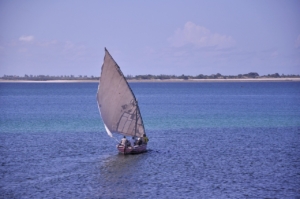
Mozambique boasts more than 1,500 miles of pristine coastline, vibrant marine life and rich cultural diversity. Yet, despite welcoming around two million tourists annually, the country’s tourism sector contributes just 4% to its gross domestic product (GDP) in 2024.
The Strategic Tourism Development Plan (STDP), approved in 2015, aims to change that by positioning Mozambique as a premier African destination. Core strategies of the plan include:
- Developing eco-tourism and community-based lodges.
- Reinforcing leisure tourism and further strengthening business tourism.
- Enhancing infrastructure in conservation areas like Gorongosa and Quirimbas.
- Promoting investment through incentives and public-private partnerships.
Mozambique’s challenge is balancing growth with sustainability. Focusing on low-impact, high-value tourism can protect its natural assets while boosting local economies, attracting tourists to enjoy the beautiful sights the country has to offer.
Kenya: From Safari Stronghold To Diversified Destination
Kenya has long been associated with safari tourism, attracting millions to its famous parks and reserves. However, the country’s National Tourism Strategy 2025–2030 aims to expand its appeal by investing in niche markets such as sports tourism, agri-tourism and cultural experiences.
This strategy aims to enhance the contribution of Kenya’s tourism sector to the economy through effective development, management and marketing in partnership with stakeholders. Highlights of Kenya’s National Tourism Strategy:
- Targeting five million annual visitors by 2030.
- 12% contribution of tourism to GDP.
- Enhancing domestic tourism and regional connectivity.
- Promoting sustainability and resilience through green financing and safety protocols.
- Kenya’s strength lies in its brand reputation and biodiversity, but its future depends on regional innovation. Embracing transformation and continuous investment in the tourism sector can ensure that tourism benefits all parts of society.
Conclusion
Tourism is more than a leisurely pursuit; it’s a lifeline for transformation. Tourism becomes an engine of inclusion and innovation for developing nations confronting poverty and instability, not just lifting economies, but elevating voices. As travelers increasingly seek deeper, more immersive experiences, destinations like Georgia, Mozambique and Kenya hold the power to redefine what meaningful exploration truly means.
With long-term strategies and community-focused planning, these countries stand ready to turn landscapes into legacies and history into hope. Tourism growth here isn’t just about numbers; it’s about connection, empowerment and rewriting global narratives. And as the world watches, it may discover that the most compelling journeys enchant travelers and uplift the people who make those experiences possible.
– Dylan Fly
Dylan is based in Detroit, MI, USA and focuses on Business and New Markets for The Borgen Project.
Photo: Flickr
