How Telemedicine in Sierra Leone is Improving Health Care Access
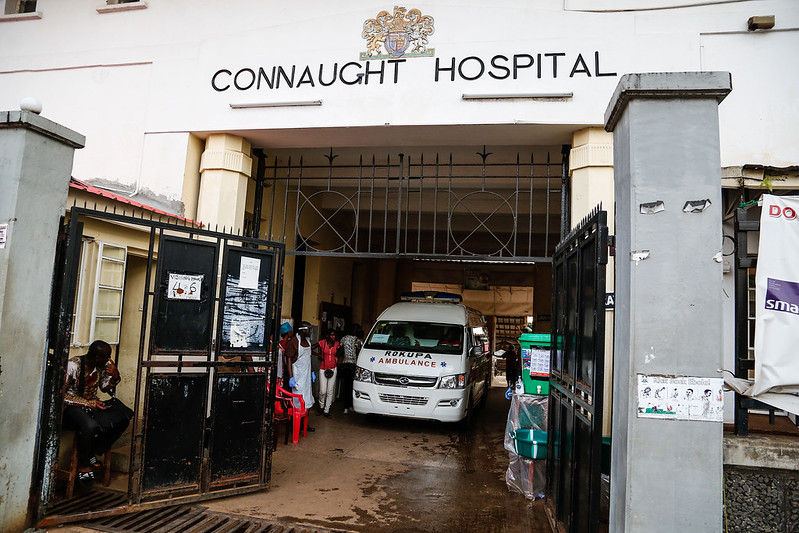 Since the civil war, the health care system in Sierra Leone has suffered immense destruction, the infrastructure is lacking proper medical supplies and trained personnel, and the country is still struggling with infectious diseases like malaria and HIV/AIDS. Sierra Leone has among the lowest life expectancy rates in the world.
Most Sierra Leonean people live in rural areas (55%). This poses an inconvenience when it comes to reaching medical care, which is mainly available in urban areas, considering the deteriorated road and railway networks.
About Telemedicine
Telemedicine has emerged in the last decades to bridge the gap of health care access for difficult-to-reach areas around the world as well as for individuals who struggle to meet appointments by providing medical attention from a distance using electronic devices. This innovation can range from teleconsultation, where the patient can express symptoms to their doctor through a laptop, to telesurgery, where a surgeon uses robotic technologies to perform a surgery on their patient remotely.
The use of telemedicine in Sierra Leone could be a game-changer for the health care system.
Mobile Health
In 2011, when health workers and traditional birth attendants received phones, SIM cards, solar panel powered battery chargers and a virtual private network as well as proper training on how to use them, they reported a significant improvement in health care access in the Bombali district.
Health workers called their clients to remind them about appointments and inform them about the arrival of their medicine. Instead of regular in-person meetings, which could be challenging for patients living far from health facilities.
People started utilizing health services more after the provision of cell phones, and the remote communication with the health workers strengthened the clients’ trust and notified them of the workers’ availability and the need for another visit. The health workers’ phone reminders encouraged their clients not to miss their appointments.
The cell phones not only reinforced communication between the health workers and their clients but also between health workers themselves, they called to inform each other about the delegation of duties as well as the schedule of meetings and activities. This stronger collaboration has eased the decision to refer ambulances, which then led to timely arrivals of ambulances and the rescue of urgent cases.
Remote Patient Monitoring
Remote patient monitoring has significantly changed the healthcare system around the world, but particularly in countries that lack access to health establishments and social health specialists in rural areas.
The Sierra Leone Telemedicine Network has been operating since 2009 and has allowed patients in rural areas, otherwise deprived of proper care, to receive at-home consultations through their digital devices, like desktops or cell phones, without having to travel long distances.
This monitoring technique usually involves the use of wearable devices that measure the patient’s vital signs from a distance.
A recent study in Sierra Leone used wearable gadgets capable of measuring the heart and perspiration rate of hospitalized patients with Lassa fever remotely. Though most of the data was discarded for poor quality, indicating the need for funding to enhance the effectiveness of these devices.
Health Care Initiatives
Several initiatives have been made to alleviate the struggle of health care access for the civilians of Sierra Leone. The Minister of Health Dr Demby has inaugurated the first nationwide Health Train Campaign earlier this year. It aims to travel to all districts of the country to study the available health care resources, identify the needs and supply civilians with immediate and adequate medical attention. It seeks to follow the “Life Stages” design so that people at different stages of life, whether children, young adults, pregnant women, elderly people, receive the appropriate care they need.
In 2010, UNICEF, launched the Free Healthcare initiative (FHCI), which offered pregnant and lactating women, children under the age of 5, disabled people and Ebola survivors with free medical care and supplies in the hopes to combat the abnormally high mortality and morbidity rates among these vulnerable groups in the country.
The Rural Health Care Initiative has worked diligently to strengthen healthcare access in Sierra Leone’s rural areas. It provides medicine and transportation for patients, medical attention to expecting mothers and their newborns, malaria diagnoses and immunizations for children and help grow the country’s agricultural system by cultivating sustainable food and supporting farmers.
Conclusion
Telemedicine in Sierra Leone has played a huge role in improving healthcare, enhancing health worker performance, strengthening the relationship between the healthcare providers and the patients, delivering timely and accurate higher quality care and bridging the gap towards receiving medical attention for people living in rural, hard to reach areas. Although the current infrastructure available in Sierra Leone consists of many obstacles for telemedicine, the evolution of the healthcare system is a slow work in progress.
– Yasmine Belabed
Yasmine is based in Algeria and focuses on Technology and Global Health for The Borgen Project.
Photo: Flickr
