Positive Developments at Zamzam Camp in Sudan
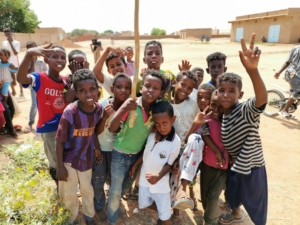 Zamzam refugee camp is approximately 15 kilometers outside El-Fasher, North Darfur, in southwestern Sudan. Many consider this camp to be the largest camp for internally displaced people (IDP) in the world. The government and humanitarian organizations established Zamzam in 2004 to respond to the surge of displaced individuals caused by the outbreak of conflict in the Darfur region.
Zamzam began as a temporary shelter for those fleeing conflict, violence and devastation. Since then, Zamzam has grown into an expansive settlement, hosting 120,000 people, including 54,000 families. Here are six facts about positive developments at Zamzam camp for IDPs in Sudan, despite its current instability.
Education for Children
According to the European Union External Action (EUAA), almost 30 schools within the camp contribute to educating 25,000 enrolled children. Many children in this camp have never been outside due to the conflict, making these schools incredibly important for their development and education.
Support for Children
The United Nations Children’s Fund (UNICEF) has supported children within Zamzam, successfully creating Child-Friendly Spaces (CFS). These safe places aim to help in dealing with the stream of traumatized children and teenagers arriving at this refugee camp. According to UNICEF, an average day in CFS entails taking their minds off the horrors going on throughout the country by working with psycho-social support workers.
Community-Led Initiatives
Despite the conflict and siege, the community has come together to assist in positive developments at Zamzam by helping supply the refugees with food and water. The United Nations (U.N.) has interviewed young people in Sudan who have come together to tackle the famine-stricken conditions in Zamzam. The organization explains that many people go there to volunteer in community kitchens to provide food to the various shelters around the camp.
UN Aid Convoy Security
In 2025, armed groups attacked a U.N. aid convoy, leading to the death of five humanitarian actors working for UNICEF and the World Food Programme (WFP). This devastating attack has increased security for all future aid convoys and the protection of humanitarian actors.
Water Relief From COOPI
An international NGO called COOPI recently delivered clean water, latrines and sanitation kits to around 9,000 people. Since the civil war broke out in 2023, this NGO has amplified its humanitarian efforts in North Darfur and Zamzam. It uses a multi-sectoral approach to provide essential human needs.
SAPA’s Integrated Emergency and Resilience Project
This project from the Sudanese American Physician Association (SAPA) has led to significant humanitarian efforts with the funding of the Schmidt Family Foundation. According to SAPA, this project has provided Zamzam IDP camp with emergency aid, such as food, health care and water relief, to more than 229,000 people.
Additionally, SAPA’s project includes the secondary phase implementation of a long-term recovery/resilience plan. This phase of the project consists of forming a youth development center. Furthermore, the SAPA team designed it to help train future generations in essential trades that will help rebuild Sudan.
In recent years, amid ongoing instability in Sudan, there have been positive developments at the Zamzam camp for IDPs in Sudan, many aimed at improving the quality of life for its residents. From increased humanitarian aid and improved water and sanitation infrastructure to educational initiatives and community-led programs, Zamzam is slowly evolving from a place of emergency shelter to one of cautious hope.
– Emma Dornan
Emma is based in Fife, Scotland and focuses on Good News for The Borgen Project.
Photo: Wikimedia Commons
