Everything To Know About Disability and Poverty in Andorra
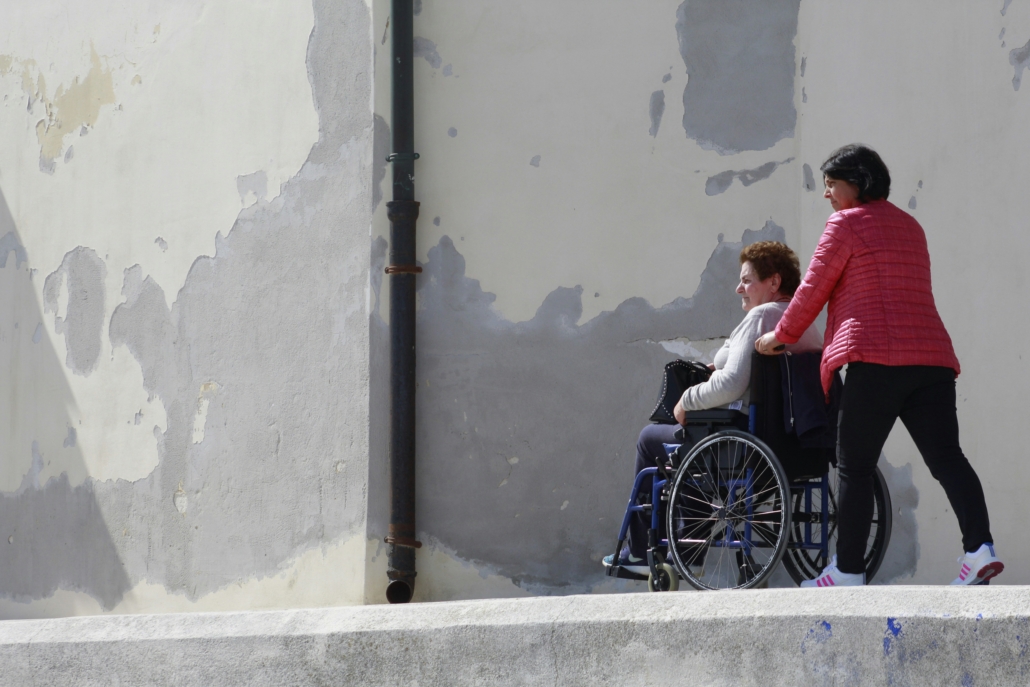 Many countries have developed plans and programs to help the disabled, be it through funding, services or a mix of both. For example, Andorra’s government provides many different benefits and social programs to help combat disability and poverty in Andorra.
An Overview of Disability and Poverty in Andorra
Andorra, as a country, has impressive anti-discriminatory laws when it comes to disabled groups in its nation. Andorra is a signatory of the 2006 United Nations (UN) resolution, “Convention on the Rights of Persons with Disabilities (CRPD).” In accordance with being a signatory to this resolution, Andorra offers numerous provisions to “general obligations of the public authorities with respect to the exercise of human rights and fundamental freedoms by persons with disabilities.” This includes “[improving] access to communication for all persons with disabilities,” providing protections for service dogs, and regulating that landlords will not charge renters for improvements to their dwellings with the intention of improving accessibility.
In addition, disabled members of Andorra’s population are allowed to access public funds—such as disability pensions and social insurance—in order to help them pay for food, rent and other basic necessities, provided they meet a certain number of criteria.
Disability Benefits
The government of Andorra gives much to the disabled community to combat disability and poverty in Andorra. For most, the government calculates the amount of a disability pension that someone is entitled to by “multiplying the insured’s total lifetime pension points by the value of the pension point.”
There are multiple pension types in Andorra as well, each corresponding to a specific disability benefit that the government offers. For example, Andorra offers social insurance to the disabled so long as the disabled are younger than the retirement age. Additionally, recipients must have an assessed earning loss of at least 60% due to their disability and have at least 12 months of contributions if they are under the age of 21.
The disability solidarity pension, meanwhile, offers disability benefits to those who are older than 18 but younger than the retirement age of Andorra. The income of the disabled must also be less than the “social cohesion threshold,” which is “100% of the legal monthly minimum wage for a person living alone[…] plus 50% for each dependent child younger than age 14.”
Once someone who is disabled reaches the Andorran retirement age, the Andorran government phases out of the disability pension program they are on, and phases them into Andorra’s old age pension system.
Looking Ahead
Studying how the Andorran government is combating disability and poverty in Andorra can be beneficial in numerous ways. For one, it can allow people to fully understand how Andorra can apply the social policies it has to help the disabled to the general population. Understanding the framework for how Andorra cares for its disabled can help to combat areas of social division where Andorra is lacking. One such example is coverage of essential health services, which, as of 2021, UNICEF marked as only average compared to other nations.
– Caelan Caukin
Caelan is based in Los Angeles, CA, USA and focuses on Global Health and Politics for The Borgen Project.
Photo: Unsplash
