Path Out of Poverty? Higher Education in Romania
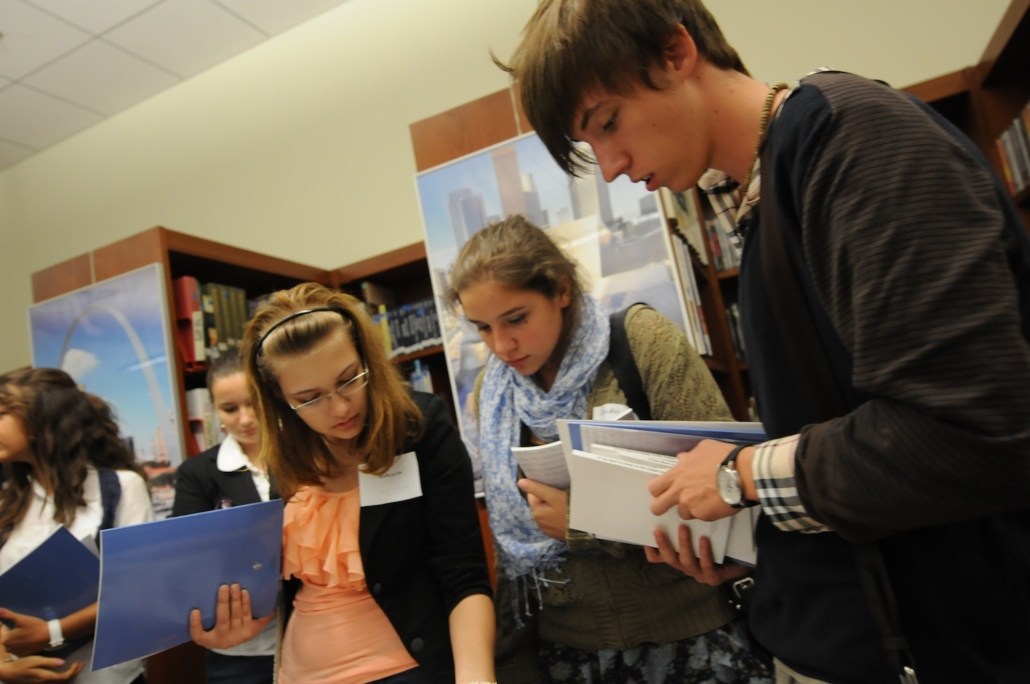 Although the European Union maintains a high standard of education throughout the member states, the higher education system in Romania is outdated and struggles with polarities in access between urban and rural regions.
Romania’s Education Trends
The Romanian government allows higher education institutions to operate independently, within the framework of the Romanian legislation. Through budgets and advice from the Ministry of Education, the government creates programs and materials to support higher education in Romania, according to the European Commission. Romania has more public than private institutions, and institutional departments and faculty members oversee internal educational and university matters.
In 2024, a survey revealed that 16.8% of Romanians, aged 18 to 24, left school before completing higher education in Romania, according to the European Union. Through education, individuals learn elementary skills but also prepare to find work and contribute positively to their society and economy. With a growing number of young people leaving the education system early, Romania’s societal and economic progress faces increasing challenges. Another factor affecting Romania is that, unlike other EU nations, many who leave the education system early are women. Given the prevalence of the gender wage gap throughout the world, Romania experiences even greater economic inequities when fewer women complete higher education.
Although the Romanian economy has rebounded since the COVID-19 outbreak, Romania struggled to provide online education, and the pandemic especially caused tremors that still affect the country’s struggling education system. There is a strong correlation between inadequate education and high rates of unemployment. Jobs requiring fewer skills and experience lead to decreased overall wages, working conditions and job mobility for Romanians and minorities living in the country.
Discrepancies: Lack of Funding and Access
According to the International Trade Administration, a report from a Romanian Non-Governmental Organization notes that 38.1% of Romanian children face poverty, with nearly half of the country’s children struggling to access quality education and less able to pursue higher education in Romania. Additionally, only 0.15% of Romania’s GDP is reserved for research, with a slight expansion to 2% by 2024. Low funding rates negatively impact education and job opportunities for Romanians.
Poverty negatively impacts the Roma, an ethnic group of people from northern India who migrated to many European and other nations. Poverty among the Roma both stems from and results in a lack of education. According to the World Bank Group, 70% of the Roma experience poverty and high rates of illiteracy and reduced educational skills caused by the inadequate quality of and access to education. Segregation prevents the Roma from gaining the same level of education as their counterparts in Romania, according to Broken Chalk. Like other populations living in poverty, personal and familial conditions play a significant role in the ability to gain education or attend higher education. Education often becomes a lower priority in households struggling to meet basic needs. The outcome of an uneducated population, in cyclical poverty with no upward mobility, is dire for the Roma.
In addition to the Roma, other Romanians living in poverty struggle with affording education for their family members or themselves. Romania spends less money annually per university student compared to other developed nations, according to the Organisation for Economic Co-operation and Development, with too little financial aid to enable students to afford education. The government’s underinvestment and the resulting lower quality of educational institutions make it less viable for students to achieve a positive gain when paying for an education.
Modernizing the System
Recent governmental policies seek to minimize the effects of poverty through renewed access to education for Romanians and the Roma. The government is allocating funds for educational improvements to target access and quality, as reported by the Organisation for Economic Co-operation and Development. Access to education remains the key concern, especially as Romania increases efforts to extend skills and work habits to minority and impoverished populations. Romanian efforts have specifically earmarked educating teachers on how to engage with students and foster a knowledge of real-world problems and events. These improvements are key to establishing a stronger education system for all citizens and especially promoting learning opportunities in younger generations.
New policies aimed at supporting agencies have been created to encourage Romanian populations to send their children to school with a positive outlook for their future via education. Romania created one such initiative, the Relevant Curriculum, Open Education for All – CRED, which allows the country to assess and directly change certain current policies to improve education, according to CRED. By analyzing its lower educational standards, the government can create a stronger foundation and path for its students to achieve higher education in Romania. A subsection of the CRED project is the Second Chance – ADS, where modern policies allow and give support to those who left education previously to return. By modernizing the Romanian education system, more individuals, including those in rural areas, can access quality education, enabling the population to become more informed and reducing the risk of cyclical poverty.
Progress and Hope via Education
Romania’s current efforts to enhance and improve educational policies and funding will lead to greater access to skilled jobs and a stronger economic outlook, and progress towards inclusive communities and eradicating poverty. New education policies increase professionalism and excellence through the foundational years of education, focusing on individuals’ well-being and well-roundedness and ensuring that students become stronger job applicants, according to the European Commission. By increasing funding and equity and enabling citizens to gain a strong education in the country, minimizing brain drain, the Romanian government will improve the entire country’s outlook. Through education, Romania will thrive and attract individuals from across the world, positively impacting its economy and society. National and international efforts may also increase the hope and positive outlook within Romania among its citizens, fostering hope for a future of equality and prosperity.
– Avery Kachmarsky
Avery is based in Los Angeles, CA, USA and focuses on Business and Politics for The Borgen Project.
Photo: Flickr
