Rural Communities and Renewable Energy in Nigeria
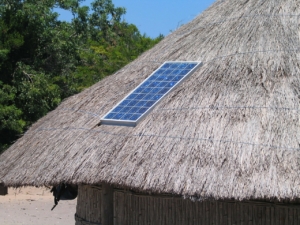 Nigeria, Africa’s largest economy and most populous nation faces a deep-rooted energy crisis. More than 85 million Nigerians, nearly 43% of the population, lack access to grid electricity. Rural areas are the worst affected, often relying on kerosene, charcoal and expensive diesel generators. This not only harms health and the environment but also perpetuates poverty and economic stagnation. As the global shift toward cleaner energy accelerates, Nigeria has started implementing innovative off-grid solutions to bring light to its darkest corners.
The Untapped Potential of Renewable Energy in Nigeria
Nigeria possesses vast renewable energy potential, particularly in solar energy. The country receives an average of 5.5 kWh/m²/day of solar irradiation, making it one of the most promising locations for solar energy development on the continent. However, until recently, this potential was largely untapped due to weak infrastructure, limited investment and policy gaps. In response, the Nigerian government and development partners are now leveraging this resource to establish decentralized solar systems, solar home kits and hybrid mini-grids as the backbone of rural electrification.
Overcoming Structural Barriers
Despite progress, Nigeria’s rural electrification efforts face persistent challenges. Many remote areas lack basic infrastructure like roads and telecommunications, complicating the delivery and maintenance of energy solutions. Financing remains a hurdle for both consumers and project developers.
Additionally, Nigeria’s regulatory landscape can be slow and fragmented, delaying project approvals. Weak grid infrastructure in urban areas also poses a barrier to expanding hybrid models that integrate renewables with the national grid. For Nigeria to meet its electrification goals, it has to streamline permitting processes and provide greater access to green finance.
The Power of Public-Private Collaboration
The success of Nigeria’s renewable energy drive lies in the strength of its public-private partnerships. Companies like Rubitec Solar, PowerGen Renewable Energy and Husk Power Systems collaborate with communities to install and operate mini-grids using a pay-as-you-go (PAYG) model. This approach lowers entry costs for rural users while ensuring systems are financially sustainable.
These companies also provide training to local technicians, fostering job creation and community ownership. Donor agencies such as USAID and the U.K.’s Department for International Development (DFID) help de-risk these projects through grants and technical support. PowerGen Renewable Energy, for instance, has been instrumental in expanding access to electricity in rural Nigeria. In partnership with international investors, PowerGen launched a distributed renewable energy platform aimed at deploying 120 MW of renewable power solutions, including battery energy storage, across Africa.
The initial focus is on Nigeria, Sierra Leone and the Democratic Republic of the Congo, with plans to expand further across the region. This initiative is supported by the African Development Bank’s Sustainable Energy Fund for Africa (SEFA), the Private Infrastructure Development Group (PIDG), the Danish Investment Fund for Developing Countries (IFU) and the European Development Finance Institutions (EDFI) Management Company. The platform is expected to serve nearly 70,000 households, enhancing electricity access and stimulating local economies.
Aligning With Nigeria’s Climate Commitments
In addition to its profound social and economic benefits, renewable energy stands as a cornerstone of Nigeria’s climate resilience and low-carbon development strategy. As a signatory to the Paris Agreement, Nigeria reaffirmed its climate commitment by submitting an updated Nationally Determined Contribution (NDC) to the United Nations Framework Convention on Climate Change (UNFCCC) in July 2021. This revised NDC commits the country to a 20% reduction in greenhouse gas (GHG) emissions by 2030, relative to business-as-usual projections and up to a 47% reduction with adequate international financial and technical support.
This ambitious climate pledge places renewable energy at the center of national mitigation strategies. Renewable energy technologies, particularly solar, wind and small hydro, produce virtually zero GHG emissions during operation. Their widespread adoption not only displaces high-emission diesel and petrol generators, which are commonly used for backup and off-grid electricity in Nigeria but also contributes to reducing localized air pollution and related public health risks. The expansion of solar infrastructure is particularly critical. It reduces reliance on fossil fuels, enhances national energy security and shields the economy from the volatility of international oil markets, a significant concern for a country that remains heavily dependent on oil revenues.
To enable this transition, Nigeria has adopted several supportive policies and institutional reforms, including Nigeria’s 2022 Energy Transition Plan (ETP), the first in Africa. ETP sets out a clear roadmap to achieve net-zero emissions by 2060. It outlines targets such as achieving 30% renewable energy in the electricity mix by 2030. These commitments are bolstered by partnerships with international organizations such as the United Nations Development Programme (UNDP) through its Climate Promise initiative, the World Bank and the African Development Bank. Such partnerships are mobilizing investment and technical expertise to scale renewable energy solutions, improve regulatory environments and drive innovation in climate-smart technologies.
A Brighter Path Forward
Access to reliable electricity is not just about powering light bulbs; it’s about unlocking human potential. Electrified communities experience improved health care, enhanced gender equality and increased school retention. Farmers utilize solar-powered irrigation and cold storage to reduce post-harvest losses and boost income. Women can cook safely with electric stoves, reducing hours spent collecting firewood. Microenterprises, from phone charging stations to poultry farms, flourish with a constant power supply.
The Nigerian government’s National Energy Compact aims to accelerate electricity access from 4% to 9% per annum and increase the share of renewable energy in the generation mix from 22% to 50% by 2030. This ambitious plan underscores the critical role of energy access in achieving broader development objectives. Furthermore, the Sustainable Energy for All (SEforALL) initiative’s Rapid Assessment and Gap Analysis highlights the need for coordinated efforts to address energy access disparities in Nigeria.
By investing in decentralized renewable energy solutions, Nigeria could make significant strides toward universal energy access and sustainable development.
– Kenneth Ebhomeye Oko-Oboh
Kenneth is based in Toronto, Ontario, Canada and focuses on Technology and Solutions for The Borgen Project.
Photo: Needpix
