US Support for Global Education
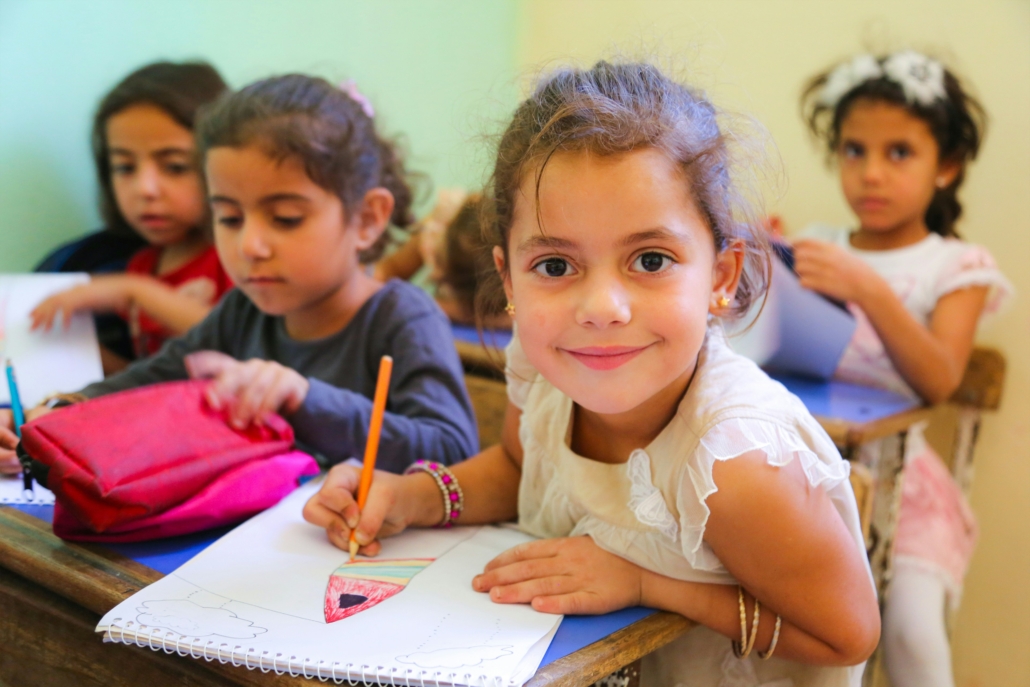 Education remains one of the most powerful tools in the fight against global poverty. When children receive access to quality education, they are better equipped to secure well-paying jobs, improve their livelihoods, and contribute positively to their communities. However, more than 244 million children and youth around the world are currently out of school, according to the United Nations Educational, Scientific and Cultural Organization (UNESCO). Most of these children live in the poorest and most fragile regions on the planet. The importance of U.S. support for global education becomes especially evident when considering these staggering figures.
Legislative Efforts To Expand Access
Recognizing the critical role education plays in global development, U.S. lawmakers have introduced key legislative measures aimed at expanding educational opportunities in developing countries. Among these is the READ Act Reauthorization Act of 2023, which builds upon the foundation established by the Reinforcing Education Accountability in Development (READ) Act of 2017. This legislation reaffirms the United States’ commitment to improving educational systems abroad and is a cornerstone of U.S. support for global education.
A Bipartisan Push for Global Literacy
The READ Act Reauthorization Act of 2023 is a bipartisan initiative sponsored by Senators Dick Durbin (D-IL) and Marco Rubio (R-FL). The legislation prioritizes U.S. foreign assistance for educational programs in low-income countries. It aims to enhance foundational literacy, improve teacher training, ensure access to safe learning environments and extend educational opportunities for girls. This bipartisan support underscores the shared belief in the importance of education as a means to foster stability and prosperity worldwide.
Impact Since the READ Act Became Law
Since becoming law in 2017, the READ Act has served as a blueprint for U.S. efforts to expand access to quality education around the world. Backed by USAID, American-funded programs have focused on building foundational literacy skills, training teachers and creating safe, inclusive classrooms — especially in regions affected by conflict and poverty.
The impact has been far-reaching. In 2022 alone, USAID-supported basic education programs reached more than 33 million students and more than half a million educators across more than 50 countries, according to the agency’s Education Progress Report. These efforts are helping transform the lives of learners in some of the world’s most underserved communities.
With the READ Act’s reauthorization in 2024, the U.S. renewed its global education strategy through 2029 — this time with a sharper focus on accountability and equity. The updated bill prioritizes support for girls, displaced youth and children with disabilities, ensuring that American leadership continues to break down barriers to learning and create lasting opportunities for future generations.
Partnerships and Holistic Support Systems
The READ Act also encourages collaboration with local and community-based organizations to tailor educational interventions. For example, the Global Partnership for Education (GPE) works with 90 partner countries to support holistic approaches — including school meals, health programs and teacher training — that help children stay in school and succeed. By addressing barriers such as malnutrition and illness, these efforts create enabling environments for effective learning.
Empowering Girls Through Education
Girls in particular benefit significantly from these initiatives. In many parts of the world, girls are often the first to leave school due to crises, household responsibilities or systemic barriers. U.S.-backed global education efforts seek to address challenges such as the lack of sanitary facilities, child marriage and gender-based violence. Research shows that when girls stay in school longer, they are less likely to marry early, face health risks or live in poverty — and their future families are more likely to thrive.
A Strategic Foreign Policy Priority
For lawmakers like Senator Dick Durbin, global education is not just a humanitarian issue, it is a foreign policy priority. In a statement following the Senate’s passage of the READ Act Reauthorization, Durbin underscored the strategic value of investing in education worldwide:
“Doing so will ensure U.S. development programs continue to focus on providing basic education around a sound, long‑term strategy — one that includes making sure girls have access to schooling.”
The reauthorization came at a time of growing concern over pandemic-related learning loss and its long-term global impact. Durbin and his co-sponsor, Senator Marco Rubio, framed the legislation not only as a step toward educational equity but also as a strategic investment in global stability and U.S. national security.
A Broader Congressional Commitment
The READ Act Reauthorization is just one part of a broader bipartisan push in Congress to make global education a centerpiece of U.S. foreign policy. Lawmakers on both sides of the aisle are increasingly recognizing that supporting girls’ education and leadership is not just a moral imperative, it is a strategic one.
- Girls LEAD Act (S.634): Introduced in the 117th Congress, this bipartisan bill directs the U.S. Department of State and USAID to develop and implement a strategy to enhance the civic and political participation of adolescent girls worldwide. The act emphasizes increasing girls’ leadership skills, addressing barriers to their participation and ensuring their meaningful engagement in democratic processes. It also mandates annual reporting to Congress on progress made.
- Keeping Girls in School Act (S.3535): Introduced in the 118th Congress, this bipartisan legislation focuses on increasing access to quality secondary education for adolescent girls in developing countries. It requires USAID to identify and address barriers that prevent girls from attending school, such as child marriage, gender-based violence and lack of sanitation facilities. The act also calls for the development of a comprehensive strategy to empower adolescent girls through education and mandates regular reporting on the implementation of this strategy.
The Cost of Inaction
Failing to invest in global education risks deepening cycles of poverty and instability in vulnerable regions. Without adequate educational opportunities, communities are more likely to suffer from conflict, poor health outcomes and economic stagnation. Continued U.S. support for global education is not just a humanitarian necessity — it is a wise and forward-looking investment in global peace and prosperity.
– Polina Makarova
Polina is based in New York, NY, USA and focuses on Politics for The Borgen Project.
Photo: Unsplash
