Health Care in Cameroon: Challenges of Conflict and Disease
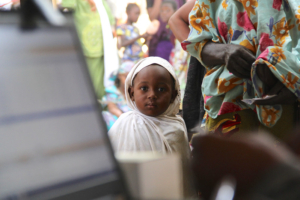 Cameroon is a lower-middle income country located in Central Africa bordering the Atlantic Ocean. It is home to over 28 million people with a projected 80% population increase by the year 2050. Similar to the skyrocketing population, life-threatening diseases in Cameroon have also been on the rise in recent years.
The top causes of death in Cameroon recorded in 2021 include lower respiratory infections as number one followed by stroke and Covid-19, respectively. Since 2021, there has been a surge of infectious diseases such as malaria, tuberculosis and HIV in Cameroon and other neighboring countries, highlighting the urgency for accessible health care.
The fragility of the health care system in Cameroon is largely due to ongoing conflicts in the North West and South West regions. Since 2016, Cameroon has experienced violent confrontations between government forces and separatist groups, widely referred to as the “Anglophone crisis”. The violence has resulted in the displacement of millions and the destruction of more than 200 medical facilities. As a result, in 2025, a projected 3.3 million people living in Cameroon will need humanitarian aid.
Malaria
The malaria outbreak began in 2013, initially affecting the northern regions of Cameroon. According to CNN, 800 people died from the outbreak and over 12,000 individuals were hospitalized for severe malaria. However, less than 10 treatment centers were available and qualified doctors were scarce.
In 2021, 50% of hospitalizations in Cameroon were caused by malaria, with the majority of patients being children under 5 years old. Cameroon accounted for 2.6% of global malaria cases and 2.1% of malaria deaths in the following year.
In order to improve health care coverage for citizens in Cameroon, the CDC has supported the prevention and control of malaria since 2017. This collaboration has allowed Cameroon to introduce the Cameroon Field Epidemiology Training Program (CAFETP) in 2010, which has helped provide training to other medical professionals in several surrounding countries. The joint effort helped train hundreds of CAFETP graduates and technicians to effectively recognize and treat malaria.
Cameroon introduced a vaccine for malaria in January 2024, becoming the first country to do so. By December 2024, Cameroon achieved a vaccination coverage rate of 47%. While there are still some regions within Cameroon that lack adequate health care, this accomplishment has made substantial strides toward an equitable health care system.
HIV
As of 2024, Cameroon is estimated to have over 500,000 individuals living with HIV. Despite the substantial numbers, there is a notable drop in the prevalence of HIV between 2011 and 2018 in people ages 15-49. In more recent years, the HIV transmission rate between infants has also decreased, from 3.22% in 2023 to 1.78% in 2024. These achievements are primarily attributable to aid from organizations such as UNICEF and the CDC.
Funds raised by UNICEF brought resources to support HIV transmission rates among infants and young children. In addition, UNICEF supported various HIV interventions for pregnant women, including antiretroviral therapy and testing.
The support of the CDC through the U.S. President’s Emergency Plan for AIDS Relief (PEPFAR) allows access to HIV health care in all 10 regions in Cameroon. The magnitude of this is substantial, as 95% of individuals receiving HIV treatment in Cameroon are using PEPFAR-supported sites.
In addition, Cameroon launched its Universal Health Coverage (UHC) system in April 2023 as part of its effort to increase health care access, particularly for vulnerable populations such as individuals living with HIV. By December 2024, this program allowed over 3 million people to register for the UHC program while also ensuring free access to HIV services for over 400,000 individuals.
Tuberculosis
In 2021, tuberculosis was listed as the fifth highest cause of death among individuals living in Cameroon, affecting 164 per 100,00 people. The mortality rate has seen a slight decrease since 2015, going from 31 to 30 per 100,00 individuals. More notably, is the tuberculosis mortality rate in individuals with HIV going from 31 to 14 in the same time period.
The CDC played a vital role in this operation, as nearly all tuberculosis patients at PEPFAR facilities have also been tested for HIV. In addition to HIV treatments provided by the UHC program, it provided free consultations to nearly 650 thousand children, along with free tuberculosis treatment to over 27 thousand individuals.
In response to these medical milestones, Cameroon initiated the National Tuberculosis Control Program (NTP), focusing on ending tuberculosis by 2030. This strategy emphasizes screening and early diagnosis, training health care workers, disease prevention, and consistent management of HIV and tuberculosis in affected patients.
A Look Into the Future
While Cameroon continues to face health challenges intensified by internal conflicts, a growing population, and the burden of communicable diseases, recent developments demonstrate meaningful progress. Continued investment in health care access, especially for vulnerable and underserved populations, will be critical to ensuring that the country is equipped to meet both current needs and future demands. With outside support and long-term planning, Cameroon has the potential to strengthen its health care system and improve health outcomes for millions of its citizens.
– Grace Johnson
Grace is based in Chicago, IL, USA and focuses on Technology and Global Health for The Borgen Project.
Photo: Flickr
