Assisting Refugees in the EU
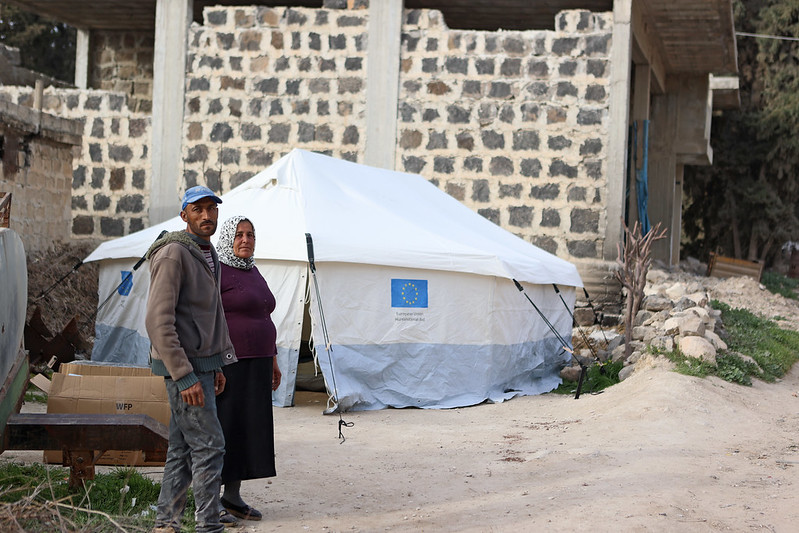
The refugee crisis has remained a critical issue in the European Union (EU) since 2015. Refugees from countries such as Syria, Iraq, Afghanistan and Somalia have fled war and persecution, settling across Europe. Many have sought to integrate into their host countries. Here’s a look at the steps the EU has taken to assist refugees and some stories that demonstrate the outcomes of these ongoing efforts.
EU Funding and Policy Measures
The EU leads international donors in supporting displaced people, contributing more than €1.7 billion to refugee efforts. As of 2021, the EU allocated €6.24 billion through the Integrated Border Management Fund (IBMF). This funding supports border security, the processing of asylum cases, legal migration and the protection of vulnerable individuals arriving in Europe. In addition, the EU pledged €9.98 billion from 2021 to 2027 for refugee integration and legal migration. These funds aim to improve the transition process for refugees and support long-term development in host communities.
Reception and Resettlement of Refugees
Since 2015, the EU has provided shelter for more than 119,000 displaced individuals, including 40,000 Syrian refugees. Despite tightening regulations, member states have continued to admit refugees through resettlement programs. Germany, for example, accepted 2.14 million refugees in 2015 alone, the highest number among EU countries. These resettlement efforts reflect the EU’s commitment to providing support and resources to people fleeing violence and instability.
Impact and Continued Support
The financial and logistical efforts made by the EU have played a role in improving refugee integration. While political challenges remain, increased funding has enhanced the EU’s capacity to manage the crisis and offer long-term support for new arrivals. Efforts have included housing assistance, education and vocational training, as well as support for job placement and language acquisition. These measures help refugees build stable lives in their host countries.
Personal Stories of Integration
Individual experiences demonstrate how EU programs can help refugees rebuild their lives.
Iyad Selik, a Syrian refugee, arrived in Germany during the Syrian civil war in 2015. In Syria, he owned a sweet shop that was destroyed in the conflict. With local support, Iyad opened a new shop in Germany, reestablishing his livelihood and contributing to his new community.
Nadira, also from Syria, received assistance from the EU Trust Fund for Syria (EUTF). Through the fund, she accessed an internship and later secured part-time employment. Nadira also gained skills in computer science and improved her English proficiency, enhancing her job prospects and ability to integrate.
These stories reflect how support programs have assisted individuals in adapting to new environments and building futures for themselves and their families.
Looking Ahead
As displacement continues due to global conflicts, the EU’s role in supporting refugees remains essential. Ongoing investments in integration, legal migration and asylum processing could shape future efforts. While challenges persist, the EU continues to refine its approach and expand support to meet evolving needs across the region.
– Joel Raymer
Joel is based in Derby, Derbyshire, UK and focuses on Business and Politics for The Borgen Project.
Photo: Flickr
