CPF in Madagascar
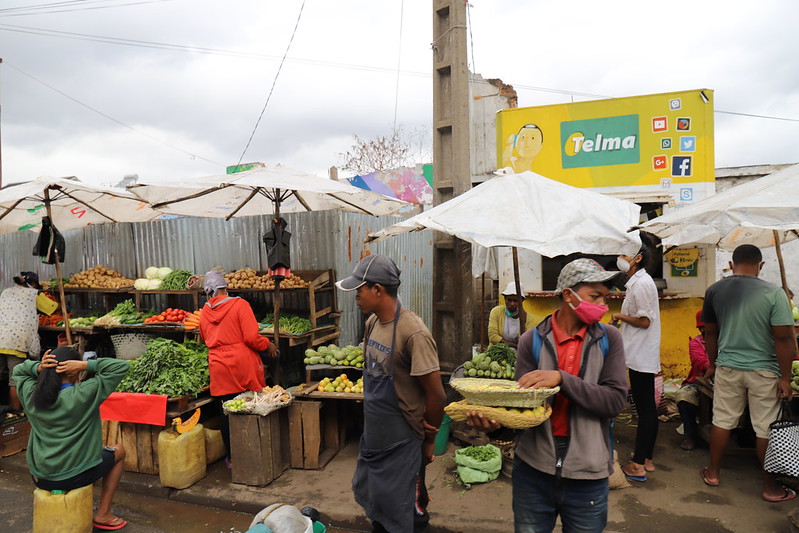 Madagascar is the world’s fifth-largest island just off the coast of Africa with a population of about 30.3 million. As of 2023, 80.7% of these 31.2 million people live in poverty. In the south and southwest regions of Madagascar, natural disasters make this number soar to about 91.2% in these areas. However, hope still exists for the citizens of Madagascar, as with the support of the World Bank Group, a new Country Partnership Framework (CPF) in Madagascar will be in effect for four years between 2023-2027. The CPF is a World Bank’s plan/strategy to amplify its goal to end extreme global poverty.
CPF in Madagascar: Employment and Natural Disasters
The CPF in Madagascar specifically caters to Madagascar’s needs, and overall aims to lessen poverty rates, provide long-standing solutions and improve overall quality of life. One way they plan to do this is by improving job opportunities for citizens. The Integrated Growth Pole Project (IGPP) is one of the initiatives that could make this possible. The IGPP’s job focuses on pivotal economic sectors that have high growth potential. These include agricultural businesses, tourism businesses and building a foundation for a digital economy. While they help manage business, gain revenue and generate jobs they are also setting up for a digital economy which will benefit the economy because of its inclusion as well as its estimate to increase economic activity overall.
The CPF has also taken the initiative to strengthen the island’s resilience against natural shocks by investing in both landscape and seascape management, as well as creating a space within their funding and budget to account for these shocks with financial management that’s purpose is to create an economic resilience and overall improve public finances, according to the World Bank. This building of resilience is essential as it provides stability and security to the economy.
Additional Projects
Considering these two previous initiatives it’s clear the overall goal for the CPF is to improve the quality of life within Madagascar and multiple projects have been implemented by the World Bank that have greatly improved the lives of many, including the Agriculture Rural Growth and Land Management Project (CASEF). Thanks to the enactment of the land law, CASEF provided land tenure security for more than 800,000 farmers, as well as deliver certificates that benefited more than 500,000 farmers, according to the World Bank.
Other projects such as the Connectivity for Rural Livelihood Improvement Project (PACT) positively affected 110,000 people as it upgraded and paved 70 miles (113km) of road, giving residents better access to transport and services. The IGPP has also successfully created more than 20,000 jobs and has supported more than 28,000 agricultural producers working with specific crops, the World Bank reports.
The overall impact of the CPF in Madagascar has been incredibly beneficial for its economy and its people. From creating jobs to improving infrastructure on the island the CPF has improved the lives of many and continues to do so.
– Cheyenne Weller
Cheyenne is based in Boston, MA, USA and focuses on Good News for The Borgen Project.
Photo: Flickr
