ILO Launches Program to Empower Women in Uganda
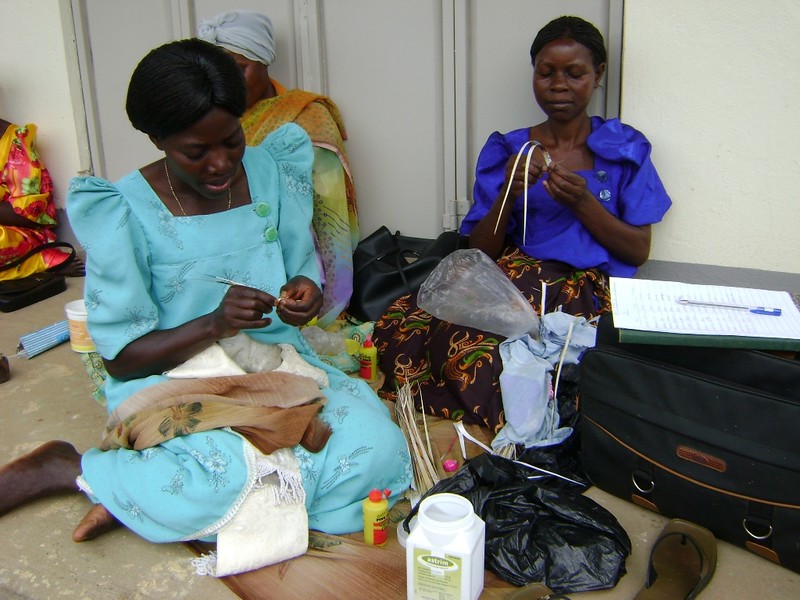 Uganda is nestled in East Africa and is famous for its rich wildlife and is known for being the “pearl of Africa.” In recent years Uganda has made significant strides toward gender equality. In 1995 the constitution declared men and women equal in the eyes of the law. Despite this recent political progress, the reality in Uganda is not reflective of these political changes. Women still face a gender wage disparity of 32.3 %. This economic disparity hinders Uganda from reaching its full economic potential if approximately half the workforce faces wage disparity. Empowering women in Uganda would foster their economic inclusion and by extension prop up the country’s national wealth.
Uganda’s Coffee Industry
Uganda is part of the global coffee industry’s supply chain, which is worth billions of dollars since the county’s climate is ideal for growing coffee plants. The country is the 7th largest exporter of coffee. Its coffee sector plays a vital economic role, supporting 1.8 million farming households and generating approximately one-third of the nation’s export revenue, which funds essential public infrastructure and services. Uganda aims to significantly expand its coffee production capacity with plans to increase exports fourfold in the future.
Women’s Role and Wage Disparity
Despite women performing the majority of coffee farming labor in Uganda, handling nearly 70% of fieldwork and post-harvest processing, they face significant wage disparities, earning approximately $250 less than their male counterparts during harvest season. Women in East Africa’s coffee sector still face systemic barriers rooted in cultural norms and institutional practices. These include the inability to inherit land directly from their families, exclusion from cooperative membership due to lack of plant ownership and limited access to leadership roles due to prejudiced assumptions about their capabilities. These challenges are further compounded by women’s disproportionate responsibility for household duties and childcare, as well as limited access to formal education, effectively creating a cycle that restricts their economic advancement in the coffee industry.
Empowerment Programs
Recognizing the coffee industry’s central role in the economy, the International Labour Organisation (ILO) has strategically chosen this sector as a pathway to empowering women in Uganda. The ILO’s CLEAR Supply Chains project, which seeks to eliminate child labor from supply chains, is launching a Women’s Leadership and Empowerment Program in Uganda’s Kalungu district to develop leadership and technical skills among women coffee farmers. The program began with a needs assessment in October 2024, involving focus group discussions with coffee farmers from the Lwabenge sub-county, which identified training needs in areas such as financial literacy, agricultural practices and leadership skills.
Training and Leadership Development
Following farm visits and assessments, in cooperation with ILO members from the Siraye program in Ethiopia and Ugandan Members of the International Women Coffee Alliance (IWCA), a four-day training of trainers was conducted in December at Kalungu district headquarters. The 16 participants received comprehensive training on topics including management, leadership, gender equality and farm workers’ rights. The next phase includes a refresher session planned for February 2025, where trained farmers will learn to deliver training to their peers, with ongoing mentoring from ILO and IWCA throughout the program. This initiative represents a significant effort to enhance women’s participation and representation in coffee farming cooperatives and farmer groups in the Kalungu district.
Moving Forward
The ILO’s Women’s Leadership and Empowerment Program represents a thoughtful approach to addressing gender disparities in Uganda’s coffee sector. By directly challenging misconceptions about women in leadership, while providing practical skills training, the program aims to unlock the untapped potential of female farmers who constitute a large share of the workforce. The collaboration with the local chapter of the International Women Coffee Alliance demonstrates the value of incorporating local expertise and understanding, ensuring interventions are culturally appropriate and sustainable. Given coffee’s significance to Uganda’s export earnings, empowering women in Uganda in this sector could create a ripple effect, not only advancing gender equality but also strengthening the nation’s economic prosperity as a whole.
– Salome von Stolzmann
Salome is based in London, UK and focuses on Good News and Politics for The Borgen Project.
Photo: Flickr
