Women’s Foundation Nepal: Empowering Women
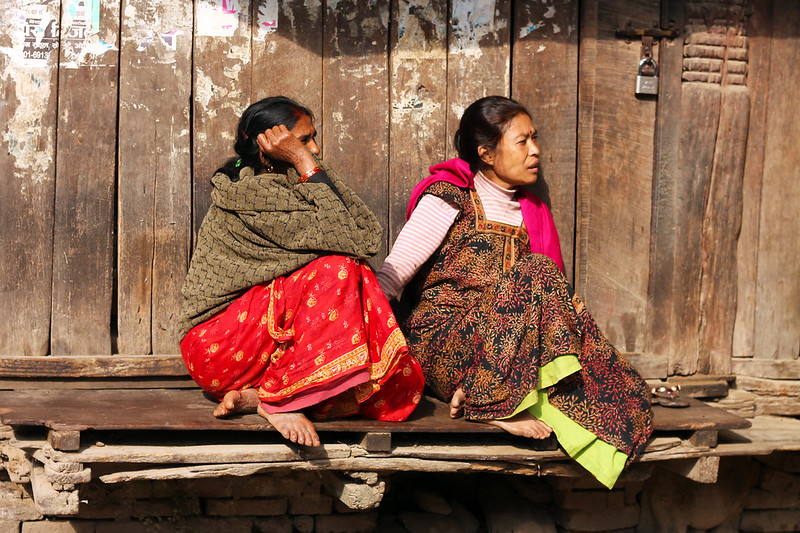 The Women’s Foundation Nepal (WFN) is a nongovernmental, nonprofit organization founded in 1988 to support women and children in Nepal. The organization works to improve the lives of those affected by poverty, violence and discrimination by providing shelter, education, legal aid and economic opportunities. Through community-driven initiatives, WFN fosters long-term solutions to empower women and break cycles of poverty.
Key Objectives of WFN
- Providing Shelter. Safe homes for women and children escaping violence and poverty.
- Expanding Access to Education. Training programs and scholarships for underprivileged children.
- Advocating for Equal Rights. Legal assistance and policy advocacy for gender equality.
- Promoting Economic Independence. Supporting micro-credits, self-sustaining businesses and fair-trade initiatives.
Safe Shelter and Essential Services
WFN operates three shelter homes in Kathmandu, providing refuge for more than 120 children and 30 women escaping violence, abuse or extreme poverty. These shelters ensure that women and children receive medical care, psychological support and legal aid, helping them recover from traumatic experiences and regain stability. Beyond providing a safe environment, the shelters also serve as a foundation for rebuilding lives by offering vocational training and job placement opportunities. Through these programs, residents gain essential skills and resources that enable them to achieve independence and long-term security.
Expanding Access to Education in Nepal
WFN ensures that survivors of violence receive educational opportunities and skills training to secure a better future. Programs include:
- Early childhood education, scholarships and sponsorships for children from low-income families.
- Vocational training programs, such as sewing, shoe-making, screen printing, house wiring, and personal support work.
- The Nepalese Rural Women Program, launched in 2010, trains nearly 1,000 women across five rural districts. Training programs include leadership, gender equality and micro-financing.
Through these ongoing efforts, WFN equips women and children with the education and skills needed for long-term success.
Advocating for Equal Rights in Nepal
WFN actively fights against gender discrimination in legal frameworks and works to increase women’s representation in government and leadership roles. By lobbying for policy changes and providing free legal aid, WFN helps women secure their rights and escape oppressive situations. The foundation assists between five and seven women at its legal offices daily, offering guidance and support.
In 2019, Women’s Foundation Nepal won 62 cases related to divorce, violence and property rights, ensuring that women in vulnerable situations had access to justice. For cases that escalate to higher courts, WFN continues to provide legal aid and representation. By covering court fees and providing financial assistance, WFN has helped thousands of women and girls gain legal protection and secure their rights.
Economic Empowerment Through Self-Sustaining Businesses
WFN promotes economic independence by supporting micro-credit initiatives and women-led businesses. The Maheela Cooperative, a fair-trade organization launched in 2000, provides employment and training to women escaping poverty and violence. Currently, more than 80 women receive training and employment in textiles, handicrafts and jewelry production. These opportunities allow them to develop essential skills and achieve financial stability.
The cooperative reinvests 60% of its profits into WFN’s social programs, ensuring the sustainability of its initiatives. Fair wages and safe working conditions remain a priority, empowering women with stable incomes. Products created by the Maheela Cooperative, including scarves, textiles and handmade jewelry, are sold in Europe, the United States (U.S.) and Canada. This not only helps fund WFN’s projects but also creates a sustainable income source for the women involved, fostering long-term economic growth.
Scholarships and Sponsorships in Nepal
WFN supports more than 1,000 children from underprivileged backgrounds through scholarships and sponsorships, ensuring they have access to education. Sponsorships cover essential living expenses, including health care, food and clothing, for children in WFN’s shelter homes. The foundation also offers scholarships that provide tuition fees, school supplies and uniforms, enabling children to stay in school and complete their education.
By investing in education, WFN helps break the cycle of poverty, giving children the opportunity to build brighter futures and become self-sufficient. The organization also extends its support to higher education, funding university studies for children who achieve strong academic results in their 10th-grade exams. Through these programs, WFN empowers the next generation, equipping them with the knowledge and skills needed to create lasting change in their communities.
A Commitment to Ethical Practices
WFN and Maheela Cooperative prioritize fair wages, ethical labor practices and nondiscrimination policies. They actively oppose child labor and forced labor, ensuring a safe and inclusive work environment for all employees. The organization does not discriminate based on caste, nationality, religion, gender, disability or political beliefs, making it a model for inclusive social development in Nepal.
A Legacy of Empowerment
The Women’s Foundation Nepal was founded by a group of young women who helped rescue a missing girl forced into labor. Its advocacy grew into a thriving organization that now impacts thousands across Nepal. Results are achieved through shelter, legal aid, education and economic empowerment. Through its multifaceted approach, WFN continues to fight for a future where women and children in Nepal live free from violence, poverty and discrimination. With continued support, WFN can potentially expand its life-changing programs and uplift even more women and children across Nepal.
– Nalini Vijayakumar
Nalini is based in Perth, WA, Australia and focuses on Business and Good News for The Borgen Project.
Photo: Flickr
