Diseases Impacting Lesotho
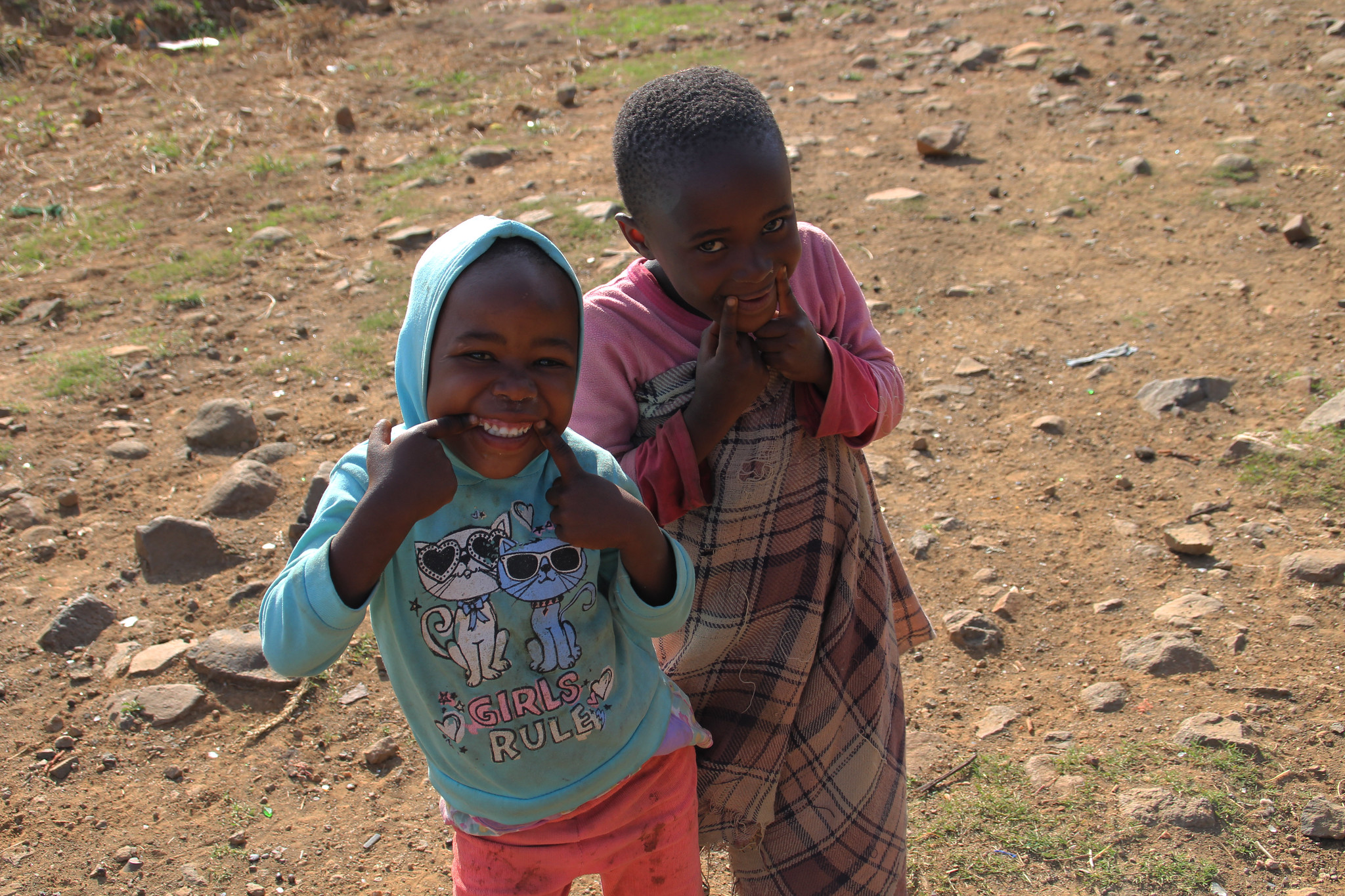
Lesotho is a tiny country totally encircled by South Africa. It has a land mass more than 11,000 square miles. With the country sitting within the mountain range of Maloti, Lesotho is frequently called the “Kingdom in the Sky.” While nature-made peaks and valleys provide the country with a beautiful landscape, the population struggles under an ineffective health care system that is challenged with managing several diseases impacting Lesotho.
3 Diseases Impacting Lesotho
- Tuberculosis (TB): Tuberculosis in the country ranks as the second-highest in the world. The World Health Organization (WHO) indicates that TB is the leading cause of death in Lesotho, and among men. It is the second-leading cause of death among women and almost three quarters of TB incidences occur in individuals who are also HIV positive.
- HIV/AIDS: HIV infections in Lesotho are high. In fact, the country ranked as the second-highest country with HIV in 2023. HIV/AIDS is the number one cause of death among women and the second leading cause of death among men. In 2023, there were approximately 260,000 adults living with HIV and more than half of these individuals were women.
- Cervical Cancer: Cervical cancer rates are also high in this country. While globally this type of cancer falls within the top five most common cancers affecting women, it is the number one type of cancer impacting Lesotho’s female population. On average, more than 500 women in Lesotho are diagnosed yearly with this type of cancer. Unfortunately, more than two-thirds of them die from the disease. The main virus contributing to developing cervical cancer is the Human Papillomavirus (HPV). A common virus easily spread during sexual activity. However, women infected with HIV have a six-time greater risk for developing cervical cancer compared to women who are not HIV infected.
Optimism in Lesotho
The good news is that the country is making progress in addressing the diseases impacting Lesotho. Lesotho’s Ministry of Health (MOH) is working jointly with the Center for Disease Control (CDC) on several projects focused on improving the country’s health care system. Some of these changes include:
- Updating processes for disease surveillance and detection in general.
- Improving policies addressing public health concerns.
- Providing additional training for medical personnel regarding testing and samplings.
- Modernizing laboratory facilities to work with the newest diagnostic tools.
With support from the U.S. President’s Emergency Plan for AIDS Relief (PEPFAR), the CDC and Lesotho’s MOH also made improvements with testing, diagnosing and treating, specifically for HIV and TB.
Addressing TB in Lesotho
Regarding TB, the partnership between the World Health Organization (WHO) and MOH is focusing on identifying individuals with TB in a much quicker fashion. With many of the population living in difficult-to-reach areas, local health facilities are making an effort to screen and test individuals who seek care. This cost-effective practice is helping to identify TB positive individuals sooner and get them started on medication treatment quicker. In doing so, a higher survival rate is being achieved along with decreasing the risk for spreading the disease.
Although the burden of TB is still high in Lesotho, the country is seeing success. As of spring of 2024, approximately 77% of positive TB individuals were on medication treatment. Many of the partnered organizations are confident that Lesotho will achieve WHO’s established goals for ending TB by 2030.
Lesotho and the 90-90-90 Goals
As for HIV/AIDS, the country met the United Nations Programme on HIV/AIDs (UNAIDS) 90-90-90 goals. These goals roughly defined are:
- 90% of people with HIV will know their diagnosis
- 90% of people with HIV will receive antiretroviral medication
- 90% of people with HIV on antiretroviral medication will have their viral load suppressed
Lesotho achieved these goals impart through partnerships between the MOH, CDC and PEPFAR. The joint efforts created a survey tool called the Lesotho Population-based HIV Impact Assessments (LePHIA). The purpose of this tool was to identify how the country was managing HIV disease. Data collection involved trained surveyors making home visits to evaluate people’s risks for contracting HIV. The surveyors also provided preventive education and performed HIV testing and counseling. These same surveyors also helped to ensure HIV positive individuals were receiving medication treatment.
Although rates continue to be high, additional data finds Lesotho improving with addressing HIV disease. Data collected from a second survey (LePHIA 2020) found the rate of new HIV infections dropped more than 50%. Furthermore, the data indicates that more HIV positive individuals are being appropriately treated for maintaining viral suppression. Similar to TB, improvements with the management of HIV are leading to higher survival rates and lower disease transmission rates.
The HPV Vaccine
To address cervical cancer, Lesotho’s MOH and the CDC jointly implemented a nation-wide vaccination program. This program focused on immunizing young girls with the HPV vaccine. The program effectively immunized 93% of young girls with the HPV vaccine. With an efficacy rate more than 98%, the program is a strong effort towards decreasing the occurrence of cervical cancer.
Looking Ahead
In a country where more than 40% of the population lives in the remote areas of the mountain and foothills, controlling diseases country-wide is crucial. Especially when access to care is challenging. With meaningful changes to the health system, the health of the population will improve and with new processes in place for TB, HIV and cervical cancer, individuals will have much healthier lives. The life expectancy rates which averaged around 48 and 54 years of age for men and women respectively in 2021, will rise. With longer life expectancies, family life will improve. Besides providing loving and nurturing environments for children, having parents living longer will also help to ensure the education and personal growth of children. These are crucial elements for a population to retain its identity and to feel of value. These changes in the health system will go far for addressing the diseases impacting Lesotho and its population.
– Kelly Chalupnik
Kelly is based in Kirkland, WA, USA and focuses on Global Health for The Borgen Project.
Photo: Flickr
