5 Facts About Zambia’s Energy Crisis
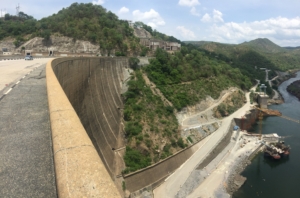 Zambia is a landlocked country in south-central Africa and it is home to the largest artificial dam in the world: The Kariba Dam. This dam provides hydro-power, giving power to 43% of the country. Unfortunately, there has been an extreme drought, causing the dam not to be able to generate enough power and the nation is experiencing major blackouts. The crisis has been ongoing since March 2024. Here are five facts about Zambia’s energy crisis.
Long Blackouts
These blackouts have lasted as long as three days, with some areas receiving only one or two hours of electricity daily. Zambia generates 84% of its electricity from water sources, 13% from coal and just 3% from “solar, diesel and heavy fuel” combined. Without sufficient hydroelectric power, the country struggles to meet its energy demands.
Many people visit restaurants not to eat or drink but to charge their phones and a growing business has emerged around charging phones for a fee. These blackouts have worsened matters considerably for a country that already struggles with energy distribution. “Less than half of Zambia’s 20 million people had access to electricity before Kariba’s problems.” Zambia’s energy crisis has only made matters worse.
Industries Impacted by the Blackouts
Health care facilities are under great strain. Hospitals in Zambia are in dire straits because their patients need electricity. “Fortunately, the government has installed huge generators in some markets, government offices and hospitals,” reports the BBC. Also, many small businesses cannot run during the day, putting immense pressure on owners to buy expensive diesel generators.
Mining, an important industry in Zambia, is struggling as well. In fact, two miners were recently saved after a power outage trapped them underground. Luckily, they were able to be rescued.
Political and Economic Ramifications
Zambia is “one of the most functional democracies on the continent,” says President Hakainde Hichilema. With no electricity, jobs or general well-being, Hichilema expresses fear about the future of that system. AP news reports that small businesses are “the backbone of the country,” and there is fear that an economic downturn will hurt the nation.
Economist Emmanuel Zulu notes that the energy crisis is weighing heavily on Zambia’s economy, contributing to rising unemployment. Meanwhile, Zambian economist Trevor Hambayi estimates that the crisis has cost the nation approximately $1.3 billion, around 5% of its gross domestic product (GDP).
Impact on Agriculture
Farmlands are also heavily impacted. The drought is not only creating an energy crisis, but it is also creating a historically dry farming season. Places that have been hit badly by the drought are producing “half” of the maize they usually make and “three-quarters” of Zambia’s livestock live in areas that have been hit particularly hard by the drought. Food and water have become increasingly scarce due to these developments, exacerbating food insecurity. This crisis has also contributed to a cholera outbreak, with 20,000 reported cases.
Solutions to Zambia’s Energy Crisis
The Zambian government is promoting a “solar explosion” as a solution to avoid relying on polluting energy sources such as coal and charcoal. Together with other organizations, the government is working to implement solar power to help alleviate Zambia’s energy challenges. The government has negotiated with China, India and Canada to bring in as much solar power as possible. In addition, it has made it easier for citizens to buy solar on their own by removing “imported duties and value-added taxes on solar equipment.”
Though the government is working to install major solar infrastructure in the future, this process may take some time. While that process continues, groups like SolarAid support businesses and people who need aid now. SolarAid is a charity that fights poverty, climate and energy crises by providing solar power to rural areas in sub-Saharan Africa.
SolarAid was founded in 2006 and since its start, the charity has distributed 2.3 million solar lights, provided 12.5 million people with light and saved many families $297.9 per year. SolarAid is working to make solar power available to as many Zambians as possible. Through its Zambian office, SunnyMoney, the organization has been working to create a thriving “solar market in Zambia.” Since its inception in Zambia in 2008, SolarAid has given out 413,000 solar lights. While Zambia’s energy crisis continues, the sales at SunnyMoney have gone up 540%.
Final Note on Zambia’s Energy Crisis
Zambia’s energy crisis is a massive problem for the nation. However, it may open the door for a brighter, more energy-resilient nation. Even more, Zambia’s energy crisis may lead the way for green energy, which could be an important example for the rest of the world.
– Michael Messina
Michael is based in Newburyport, MA, USA and focuses on Technology and Politics for The Borgen Project.
Photo: Wikimedia Commons
