KujaEcoPads: Sustainable Solution to Period Poverty in Cameroon
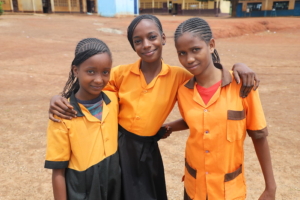 In Cameroon, 70% of women and girls lack access to sanitary products, illustrating the prevalence of period poverty across the country. This is largely driven by affordability, exacerbated by the rising costs of menstrual products across Africa. In Cameroon, a pack of disposable sanitary pads costs around 600 Central African Francs ($0.99), a prohibitive price for the 52% of Cameroonian women who live below the poverty line at $2.15 a day.
This forces many women and girls no choice but to rely on “rags, newspaper and leaves” to manage their periods. These methods compromise women’s health and dignity. Marie Claire addresses this crisis by creating Cameroon’s first biodegradable and affordable sanitary pad through her social enterprise KujaEcopads. The sanitary pads are not only sustainably manufactured and produced but also free from harmful substances for girls and the environment.
Period Poverty in Cameroon
In 2022, the World Health Organization (WHO) called for menstrual health to be globally recognized as a matter of human rights rather than solely a hygiene issue. Inadequate access to sanitary products not only affects women’s health but also exacerbates existing gender inequalities, acting as a barrier to education, economic opportunities and dignity for many women and girls.
In Cameroon, period poverty has a severe impact on educational outcomes: 70% of women and girls in Cameroon are illiterate, often due to missing school while on their period. According to menstrual rights activist and founder of KujaEcopads, Claire, “girls skip three to five days of school a month” because of their period. Eventually, they “drop out, which perpetuates a cycle of early forced marriages, early pregnancies, prostitution, illiteracy, poverty and shame.”
Refugee Camps in Cameroon
Period poverty in Cameroon is intensified by its ongoing humanitarian challenges. Currently, nine out of 10 regions in Cameroon face complex and separate refugee crises. There is an influx of Central African refugees in the East and internally displaced people in the North due to climate-related conflict. According to the United Nations High Commission For Refugees (UNHCR), Cameroon hosts two million internally displaced people and refugees.
As a result, period poverty is particularly prevalent among refugees in Cameroon. According to a study by U.N. Women, these women face unique barriers when menstruating due to insufficient water, sanitation and hygiene infrastructure in Cameroonian camps. Not only is it more difficult to manage menstruation in refugee camps, it can also be dangerous. The study highlighted how many toilets in the camps were not separated by sex and did not have adequate locks or lighting at night. This left 99% of women in these camps feeling unsafe while using sanitation facilities, making them more vulnerable to sexual assault.
KujaEcopads: Reducing Period Poverty One Pad at a Time
KujaEcopads provides Cameroon’s first biodegradable sanitary pad, costing half the price of a typical sanitary pad. The pads are produced from fibers of banana stems, which are cheap, natural and abundant resources in Cameroon. This innovation directly addresses the unique challenges faced by refugee women in Cameroon.
In camps with inadequate washing and sanitation facilities, two-thirds of used pads are disposed of in rivers, causing environmental harm. Refugee women also struggle to use reusable pads, often donated by charities, because they cannot wash and sterilize them safely. Consequently, KujaEcopads solves these issues by creating disposable and biodegradable pads, ensuring safe and ecofriendly disposal.
Social Entrepreneurship and Period Poverty in Cameroon
Crucially, KujaEcoPads operates as a sustainable social enterprise. The organization ensures women have affordable access to sanitary products rather than relying on charity donations. “I knew if we could get people to buy our pads and continue to buy our pads, we could sustain the giving and that will solve the problem of period poverty in Cameroon,” explains Claire. This makes the enterprise self-sustaining, with 100 low-income women manufacturing and producing the pads locally in Cameroon, creating jobs and empowering communities.
Conclusion
KujaEcopads currently provides its biodegradable pads to one million girls across Cameroon. By combining innovation, sustainability and community empowerment, KujaEcoPads significantly alleviates period poverty in Cameroon.
– Georgia Wells
Georgia Wells is based in London and focuses on Good News for The Borgen Project.
Photo: Flickr
