Disability and Poverty in Jamaica
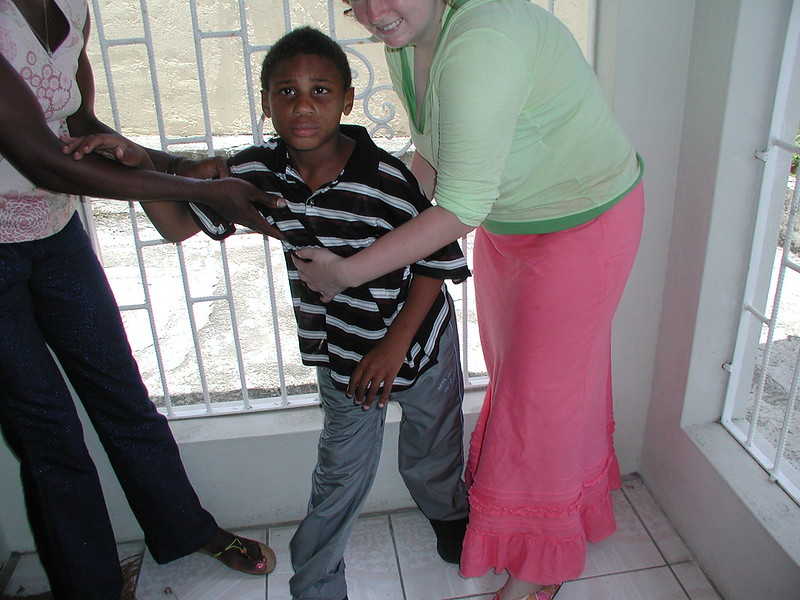 Disability and poverty in Jamaica are intertwined, perpetuating a cycle of hardship. Despite the enactment of the 2014 Disabilities Act, which aims to eliminate discrimination and ensure equal rights for persons with disabilities, many still struggle with maintaining a decent quality of life due to systemic barriers and economic instability. Approximately 200,000 Jamaicans live with a disability and they disproportionately suffer from poverty and unemployment. Census data from 2001 revealed that just over 6% of Jamaica’s population or about 160,000 people, identified as living with a disability. Yet, fewer than 1% of these individuals are in paid employment, highlighting the extreme vulnerability of the disabled community in Jamaica.
Challenges for People with Disabilities in Jamaica
Surviving in Jamaica is particularly challenging for people with disabilities who live in poverty. About 15% of the Jamaican population lives with a disability, yet many lack access to high-quality education and employment opportunities. In 2019, the unemployment rate among disabled individuals in Jamaica reached 90%, severely limiting their ability to maintain a satisfactory standard of living. This high unemployment rate restricts their financial ability to afford food and essential items, trapping them in a cycle of poverty. Consequently, many people with disabilities struggle to achieve independence due to insufficient income and barriers to securing housing. Additionally, accessing many public places remains physically challenging for disabled people.
Globally, half of the people living with disabilities cannot afford health care and among those who can access practitioners, more than double report finding their medic’s skills inadequate for their needs. In Jamaica, access to health care, like many other public services, varies widely based on the individual’s location, the nature of their disability, their mobility and ability to communicate with health care professionals. Consequently, certain groups do not receive the necessary level of treatment and fall through the cracks.
Disability Support Initiatives in Jamaica
- Jamaica Council for Persons with Disabilities (JCPD). JCPD advocates for disabled rights and promotes participatory policies, providing vocational training for persons with disabilities (PWDs). Its programs create pathways out of poverty by improving employability for PWDs.
- Mustard Seed Communities. The organization provides accommodation, care and vocational training to persons with disabilities, helping them gain independence and learn marketable skills. Its projects focus on engaging participants through practical training in agriculture and construction. Currently, the organization supports more than 440 Jamaicans, including children affected by HIV and teen mothers with their infants.
- The World Bank. The World Bank has collaborated with Jamaica to enhance the economic inclusion of persons with disabilities through social protection programs. This effort involves collecting data on disabilities to better tailor responses.
Looking Forward
Breaking systemic barriers remains crucial to improving the lives of people with disabilities in Jamaica. Efforts to enhance vocational training, expand employment opportunities and strengthen social protection systems are essential to reducing the socioeconomic disparities they face. By fostering inclusion and accessibility, these ongoing initiatives aim to address the root causes of inequality, offering individuals the chance to lead independent and dignified lives.
– Georgia de Gidlow
Georgia is based in Watford. UK and focuses on Global Health for The Borgen Project.
Photo: Flickr
