Solar Energy Solutions: Powering Health Care in Rural Zambia
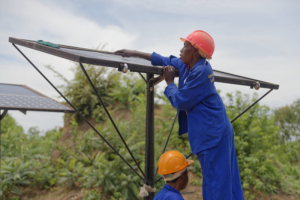 Access to reliable electricity is critical for the functioning of health facilities. Yet, only 4% of rural communities in Zambia have access to on-grid electricity. For many health care workers, the sight of a child being born in light is a rare victory in an otherwise dark environment where babies are delivered, sutures are given and patients are treated—all in darkness. This not only endangers lives but also limits the potential for effective health care delivery in rural areas. So, powering health care in rural Zambia is important.
The Importance of Electricity in Health Care
The link between electricity and essential health care services is crucial. Many medical procedures rely on lighting for safe and effective delivery. Furthermore, the lack of electricity severely hampers access to clean water, as pumps depend on power to push water into pipes. This combination creates a challenging environment for health care providers, who often lack the necessary equipment to deliver lifesaving procedures.
The SIRHES Project
In response to this crisis, On Call Africa has launched the Strengthening the Integration of Renewable Health Energy Solutions (SIRHES) project, which specifically targets three rural health systems in the Kazungula District. SIRHES focuses on improving the functionality, quality of care and hygiene. This is achieved by providing solar power in combination with complementary health interventions.
In the past 16 months, the initiative has made significant strides in powering health care in rural Zambia. It has:
- Equipped three rural health care facilities with solar power systems
- Trained 82 Neighbourhood Health Committee (NHC) members to support health facility initiatives and promote health within the community.
- Installed a solar-powered Chlorine Production Unit (CPU) at the Kazungula District Health Office, enabling the monthly production of chlorine for disinfectants used in 27 health care facilities and for water purification in five target communities.
- Supported the development of a business model for the CPU to generate income and ensure project sustainability.
- Formed the Kazungula District Technical Working Group to oversee the project and provide long-term support for chlorine production.
- Coordinated training sessions on operations and maintenance to ensure that solar systems are properly maintained and sustainable within the community.
Final Remark
On Call Africa’s commitment to providing solar energy solutions and powering health care in rural Zambia represents a critical step toward overcoming the barriers posed by energy poverty. Furthermore, by integrating renewable energy into health care systems, the organization not only enhances the capacity of health facilities but also contributes to the broader fight against poverty. This ensures that everyone, regardless of where they live, has access to the modern health care they deserve. The partnership with local communities and health workers is essential in building a sustainable future, one where no clinic is left in darkness and every life has the chance to thrive.
– Edzhe Miteva
Edzhe is based in London and focuses on Global Health and Politics for The Borgen Project.
Photo: Flickr
