The World Food Program and Poverty in Liberia
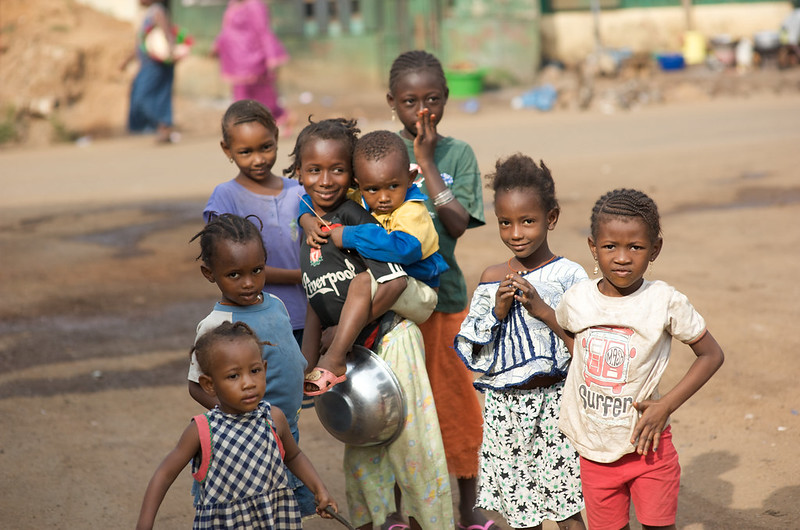 Liberia is a nation that leans greatly on foreign aid and investment. With 81% of Liberia’s population being food insecure and 93% unable to afford a healthy diet, malnutrition becomes a great threat. This especially goes for children under 5 years old in Liberia, who have the greatest Global Acute Malnutrition Rate in urban Montserrado. With high agricultural post-harvest losses and limited technology and knowledge, Liberia’s food insecurity is amplified. To help combat poverty and food insecurity in Liberia, the World Food Program (WFP) is aiding Liberia through three main strategies: resilience building, school meals and supply chain.
Resilience Building
Resilience-building activities in Liberia are used to target the most food-insecure people. WFP has a food assistance-for-assets (FFA) activity in which 1.8 million people participated in rehabilitation and asset creation projects. This included more than 62,000 hectares of land and 847 ponds that were rehabilitated and 172 new wells were raised. This inevitably benefited 3.15 million people as monitoring results of 2022 showed it decreased social conflict and instability between people over limited natural resources. Instead, it reinforced a stronger sense of community as the resilience programs promoted teamwork and acted as a foundation of support for many villages.
WFP also targets food insecurity and poverty by introducing savings practices. Village Savings and Loan Associations (VSLA), is a strategy for people to borrow from their savings for needs and requirements. These can be health care, food, school fees and business support. By educating people on how to borrow savings, people in rural Liberia learn how to handle their money utilizing the best practices for saving. Through this strategy, Liberia can fight poverty by educating its people and promoting further household economic security.
School Meals
WFP intends to revise the National School Feeding Policy. By incorporating a school meal program into the schools of Liberia, children can have guaranteed meals every day. This is significant work in combating the food insecurity and malnutrition that young people, particularly children, suffer from. WFP aims to establish a budget of $5 million for this school meal program and by 2025, increase the coverage of the school meal program by 45%.
While also combating food insecurity, WFP has also begun a ‘Breaking Barriers to Girls Education’ initiative that promotes education for girls and young women. This is a significant aspect of fighting poverty in Liberia, as 51% of the population lives on $1 a day. By giving women proper education, they will learn skills that open further opportunities for them in the work industry. This will allow them to earn a wage and curb poverty and food insecurity in Liberia. The Home-Grown School Feeding Programme (HGSF) has also benefited smallholder farmers as the program has increased their production, promoting economic stability for more people in the agricultural industry.
According to WFP, more than 5000 smallholder farmers now have a market to sell their produce and fight food insecurity with increased income levels. The increase in productivity in farmers also contributes to both the economic and food security of Liberia as their produce feeds children for free in schools, but they also get paid for their labor, meaning they can afford more food and fight food insecurity themselves.
Supply Chain
WFP and the Government of Liberia work together to deliver essential medical supplies and equipment to health care facilities. WFP transports health supplies to 13 county depots in Liberia, as well as 36 hospitals and 136 health centers. This is a vital aspect of reducing poverty in Liberia as it focuses on the health and well-being of the population. The necessary delivery of medical supplies and equipment allows the malnourished and injured to recover quickly, ensuring a healthy population. This leads to a greater number of healthy, able-bodied people in the workforce who can earn money to survive and help strengthen the economy.
Also in Liberia, WFP and CERFAM cooperated in a workshop that worked to assess the postharvest losses in the rice value chain. Following this, they led post-harvest management training to help reduce and prevent losses. This was carried out by the construction of post-harvest management facilities which not only allowed a chance for people to educate themselves and practice their skills through hands-on training but also offered new employment opportunities for building these facilities and teaching others in their community. This combats the poverty problem in the rural agricultural lands of Liberia that would be more limited in job opportunities, due to their isolated geography. As 70% of Liberia’s workforce is in the agricultural sector, knowledge and new equipment will help a large majority of the population, decreasing harvest losses and supporting farmers in crop production.
Looking Ahead
The WFP’s multi-faceted approach addresses Liberia’s food insecurity and poverty through resilience building, school meals and improved supply chains. These ongoing efforts provide immediate relief while also fostering long-term economic stability by educating communities and supporting agricultural growth. With nearly three-quarters of the population dependent on agriculture, WFP’s initiatives offer critical tools for enhancing productivity and reducing post-harvest losses, which directly benefits both farmers and their families.
– Chelsey Saya McLeod
Chelsey is based in Southampton, Hampshire, UK and focuses on Good News and Technology for The Borgen Project.
Photo: Flickr
